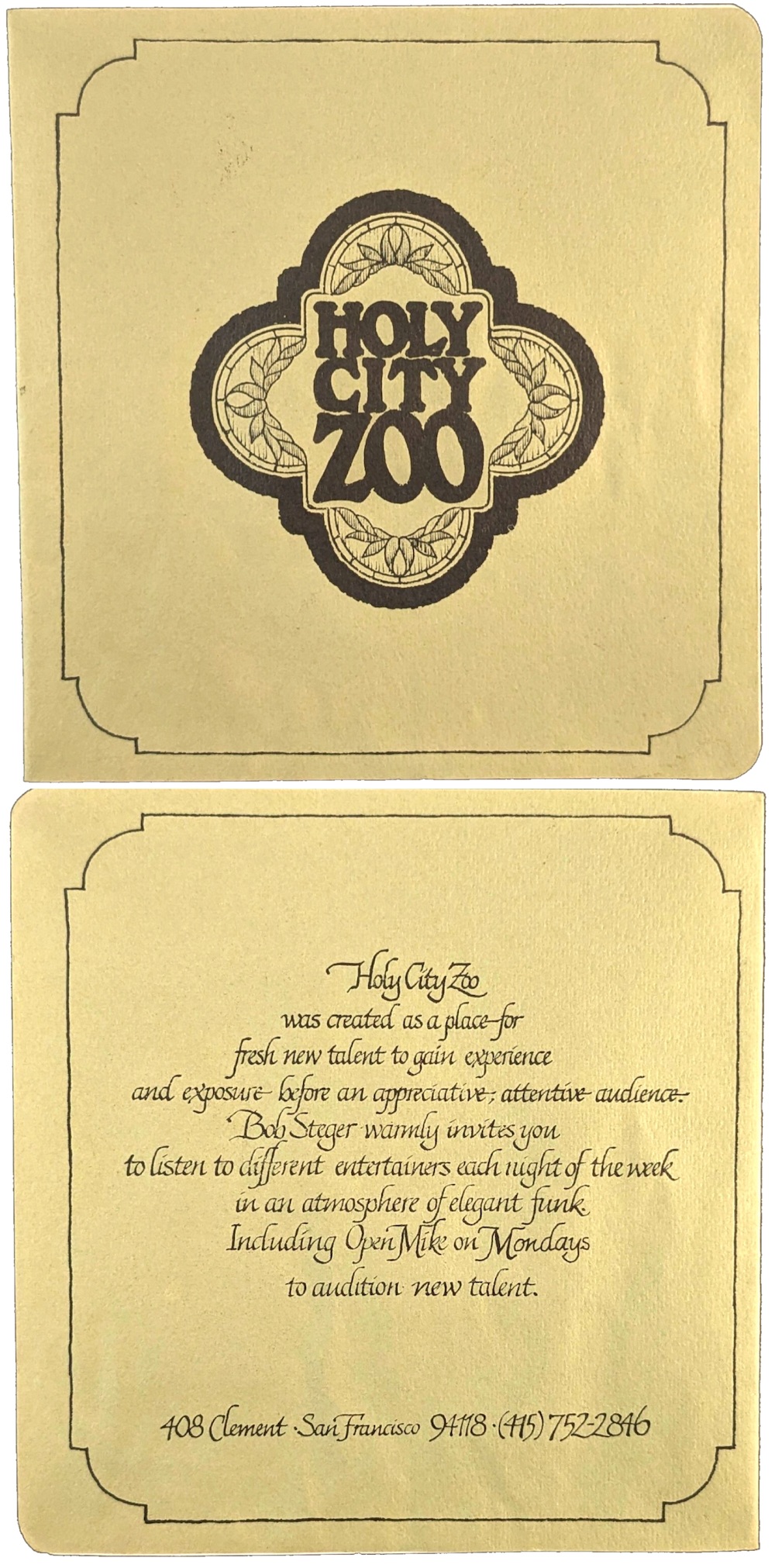
Early History of the HCZ (from the coaster)
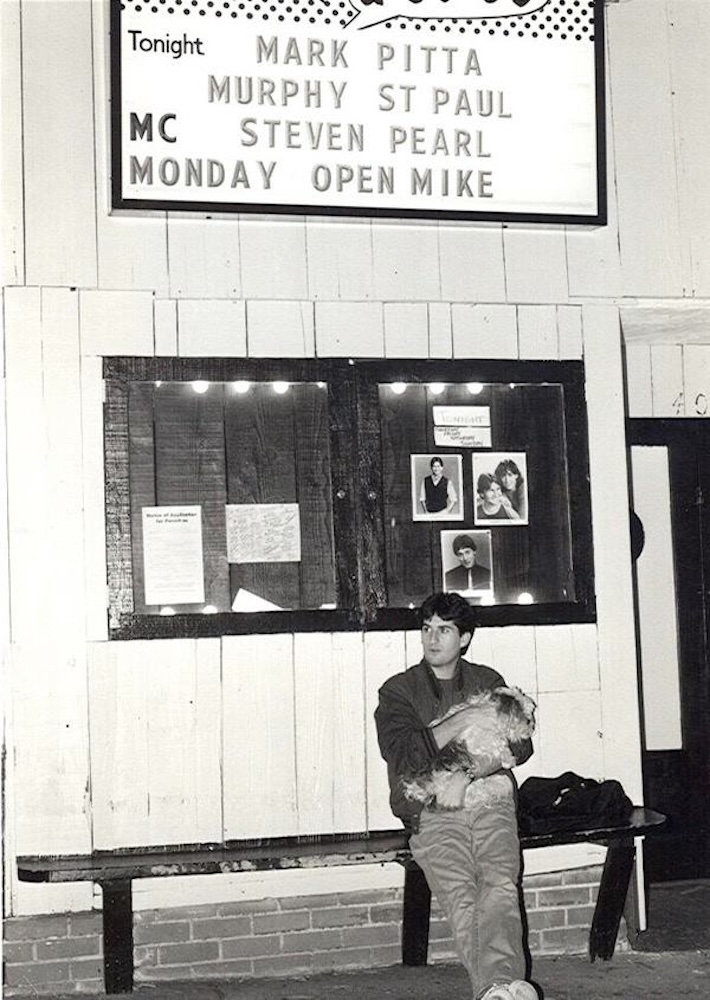
Holy City Zoo was created as a place for fresh new talent to gain experience and exposure before an appreciative audience. Bob Steger warmly invites you to listen to different entertainers each night of the week in an atmosphere of elegant funk. Including Open Mike on Mondays to audition new talent.
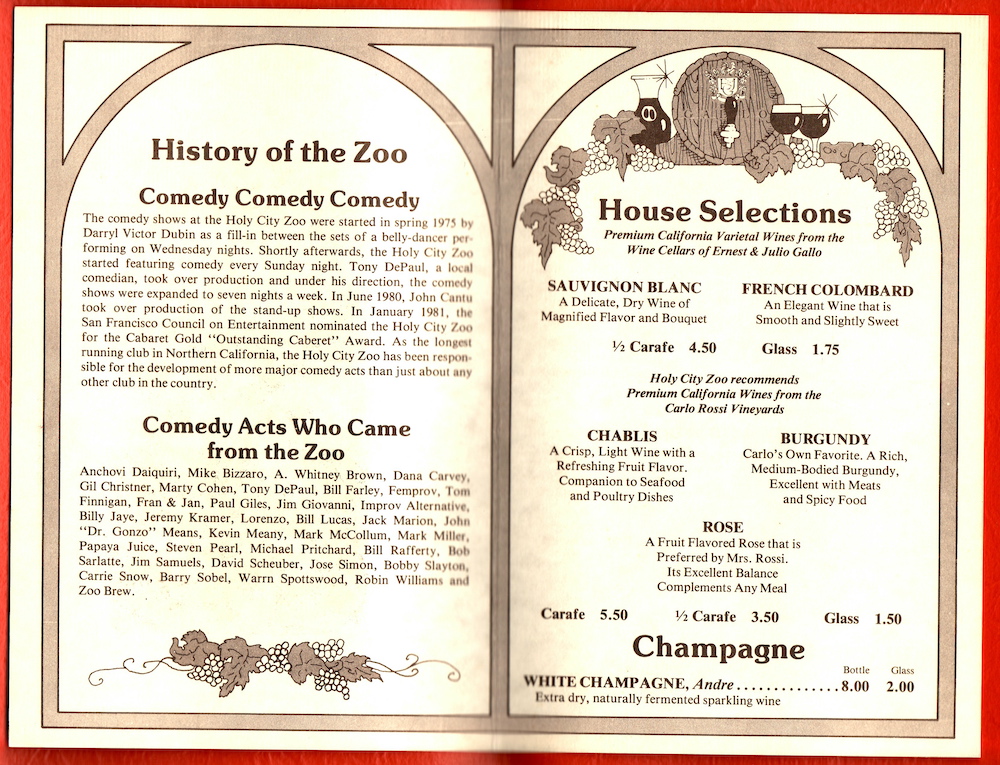
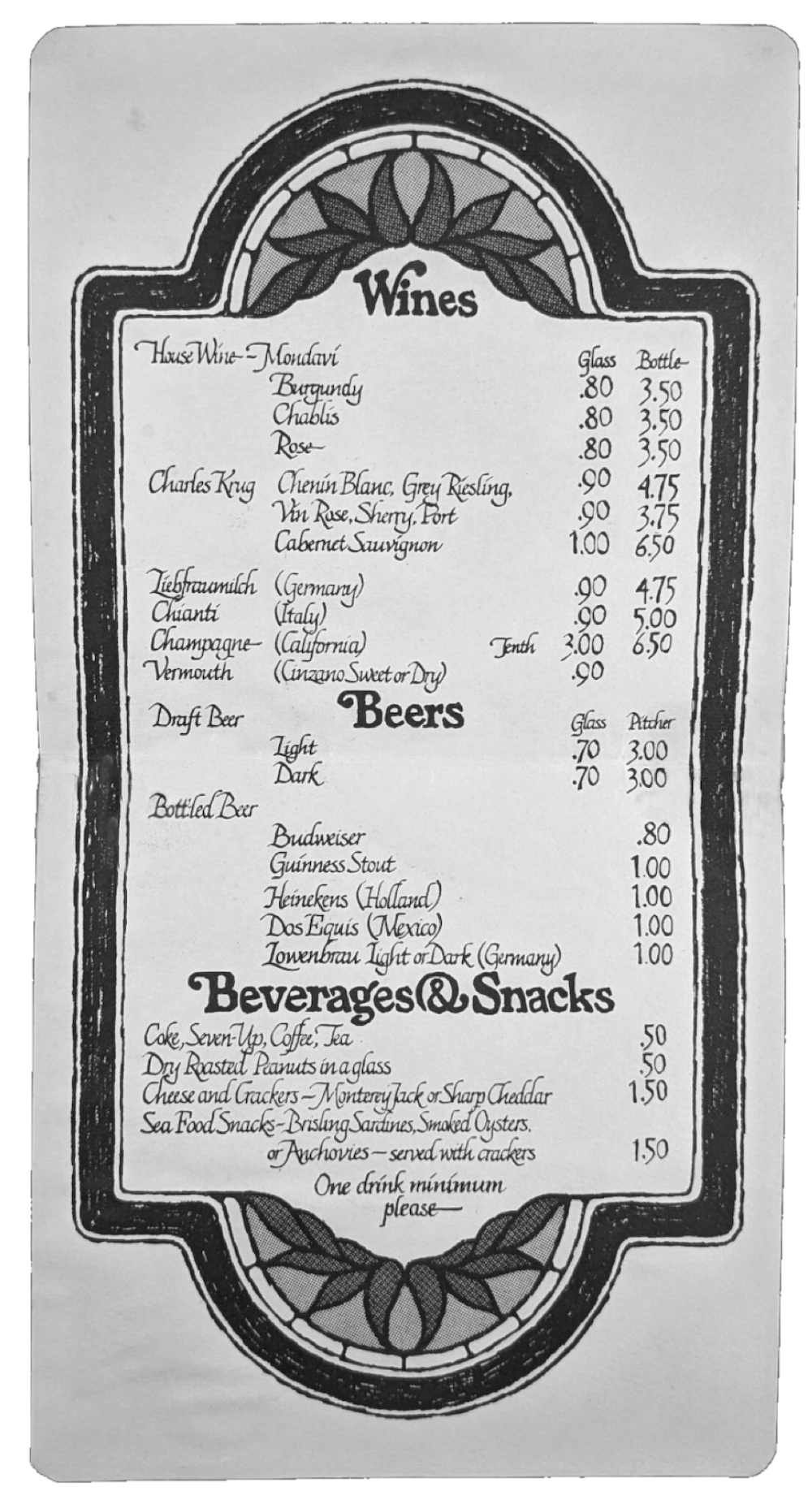
History of the HCZ (from the Wine List)
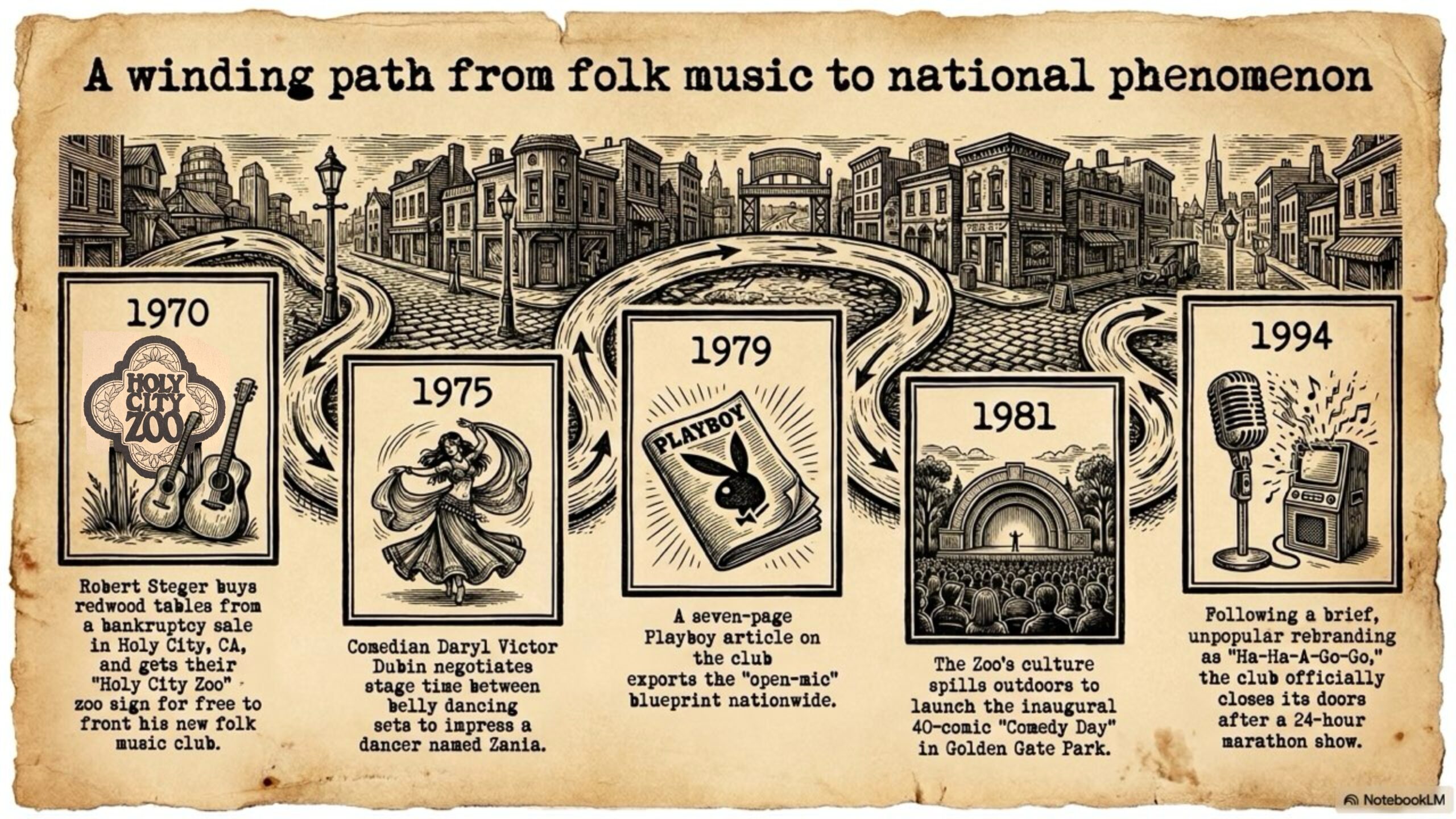
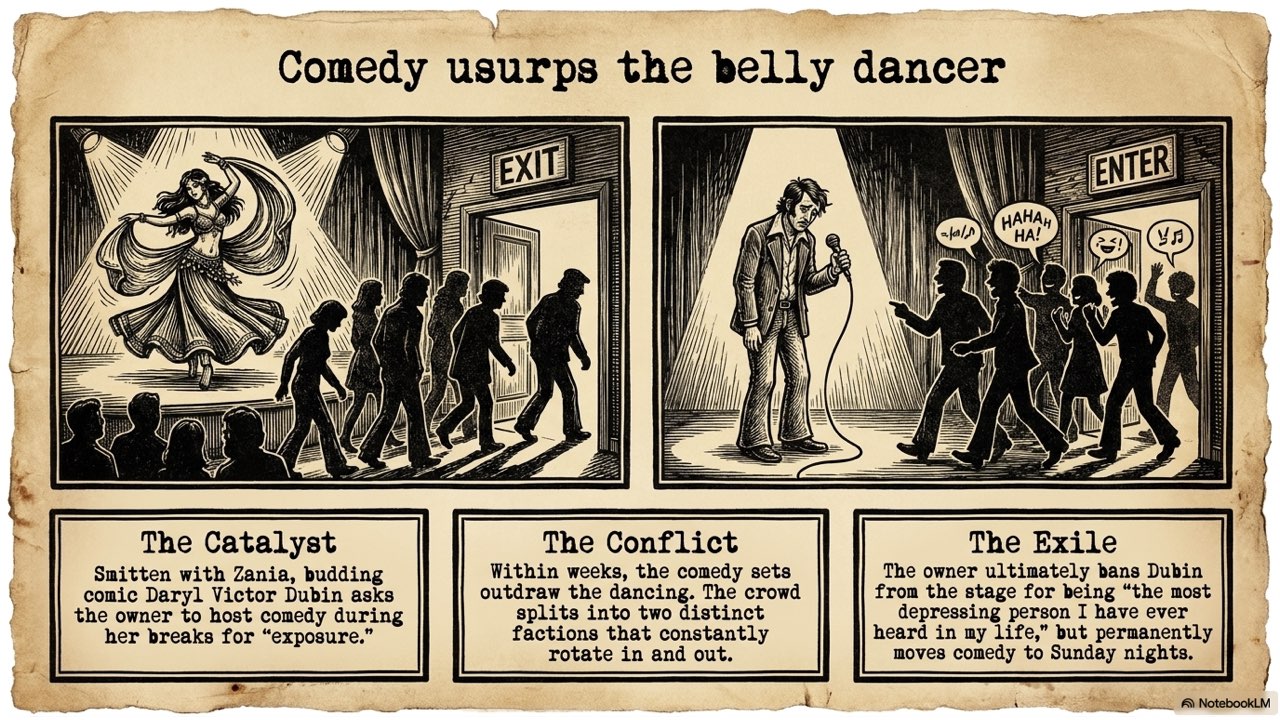
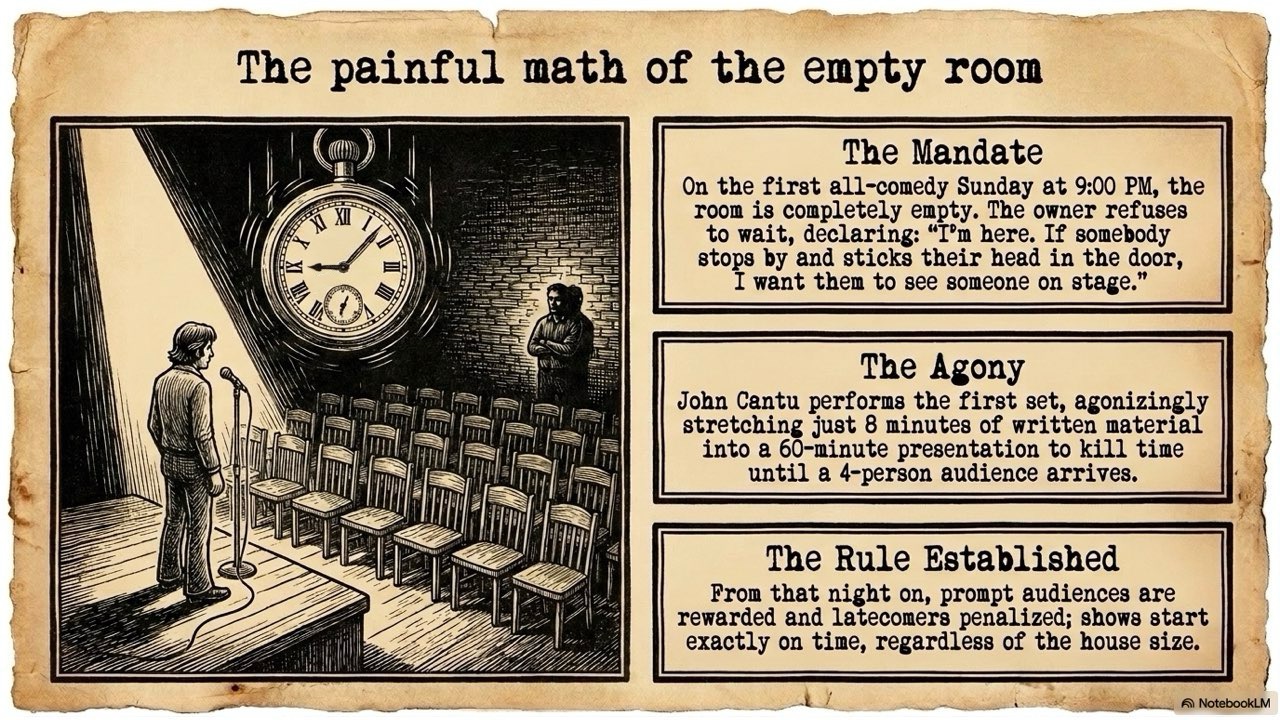
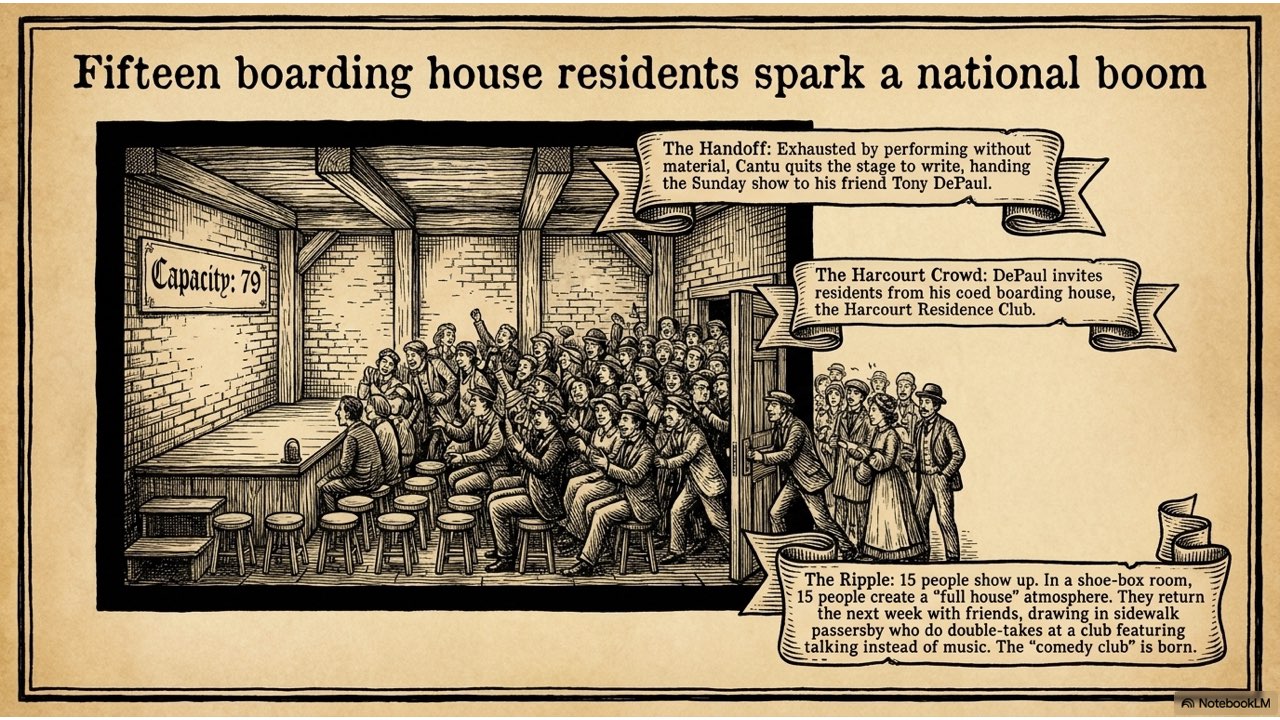
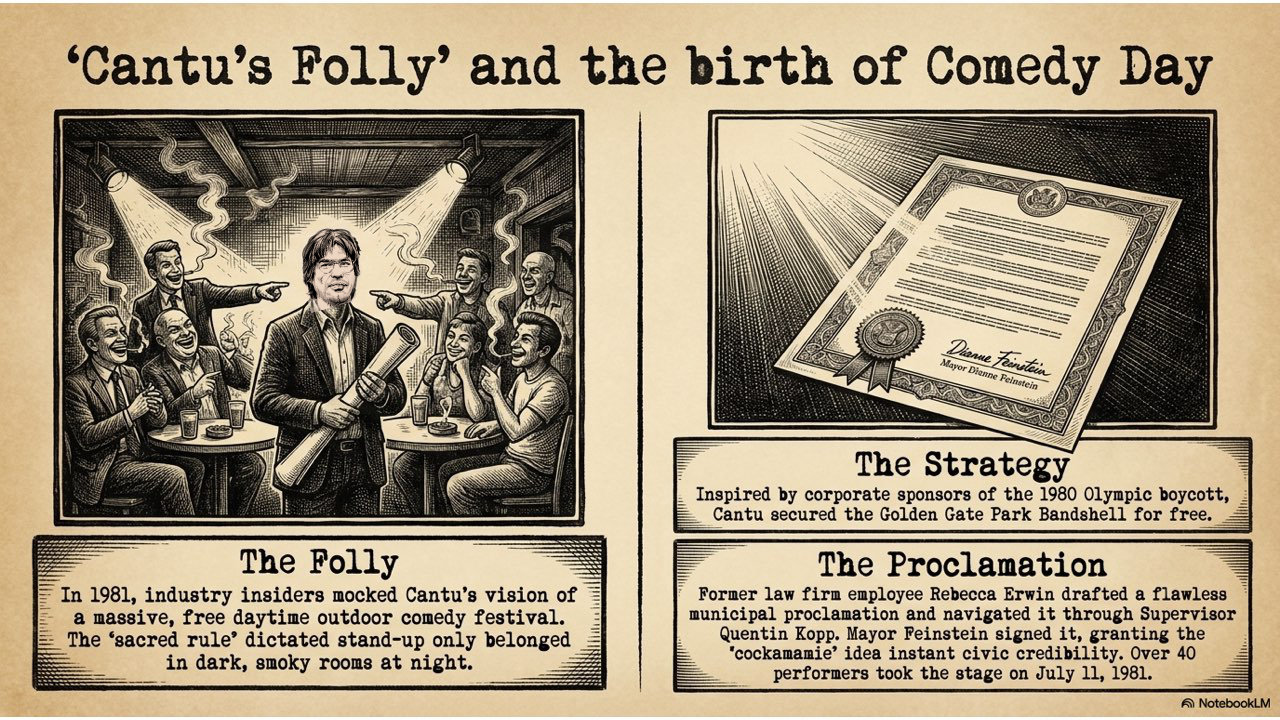
The comedy shows at the Holy City Zoo were started in spring 1975 by Darryl Victor Dubin as a fill-in between the sets of a belly-dancer performing on Wednesday nights. Shortly afterwards, the Holy City Zoo started featuring comedy every Sunday night. Tony DePaul, a local comedian, took over production and under his direction, the comedy shows were expanded to seven nights a week. In June 1980, John Cantu took over production of the stand-up shows. In January 1981, the San Francisco Council on Entertainment nominated the Holy City Z00 for the Cabaret Gold "Outstanding Caberet" Award. As the longest running club in Northern California, the Holy City Zoo has been responsible for the development of more major comedy acts than just about any other club in the country.
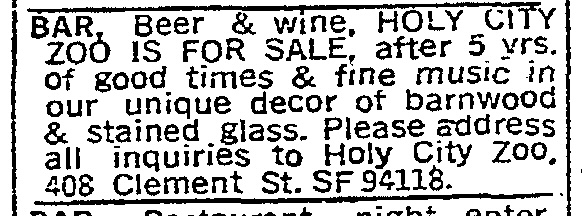
November 1974 classified listing
for the sale of the Holy City Zoo
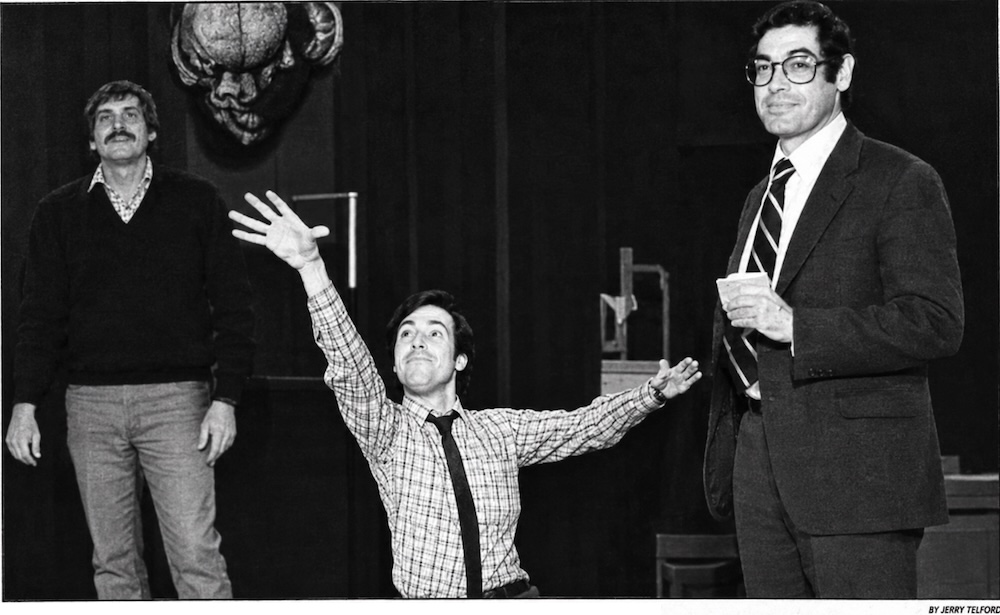
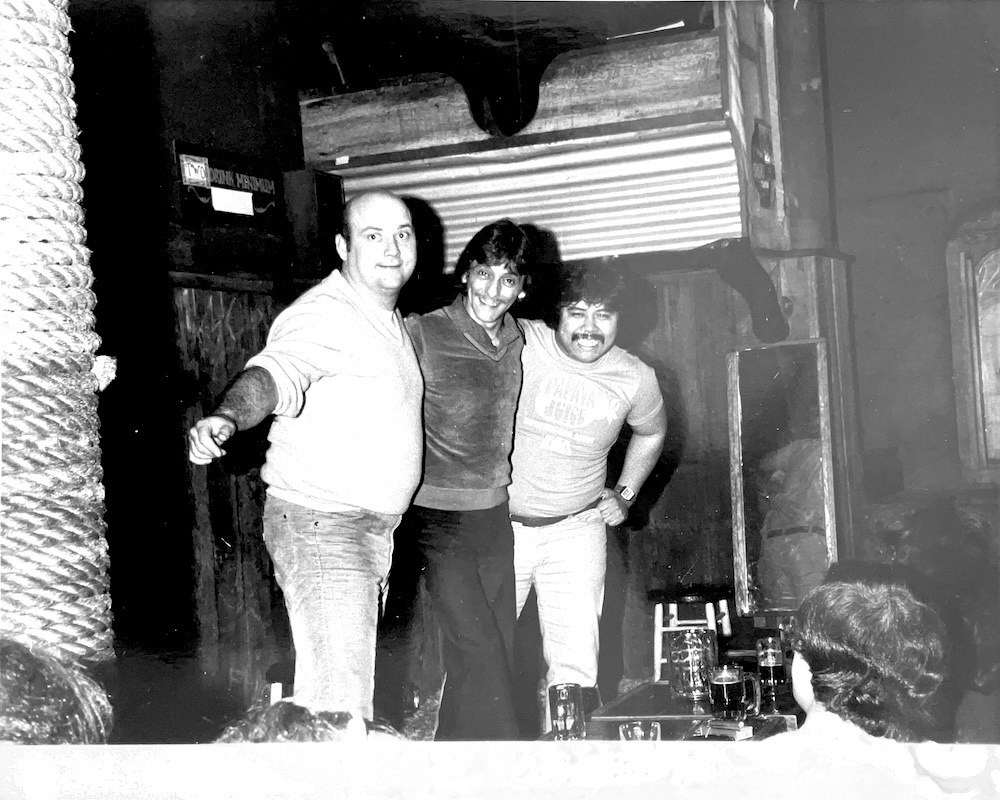
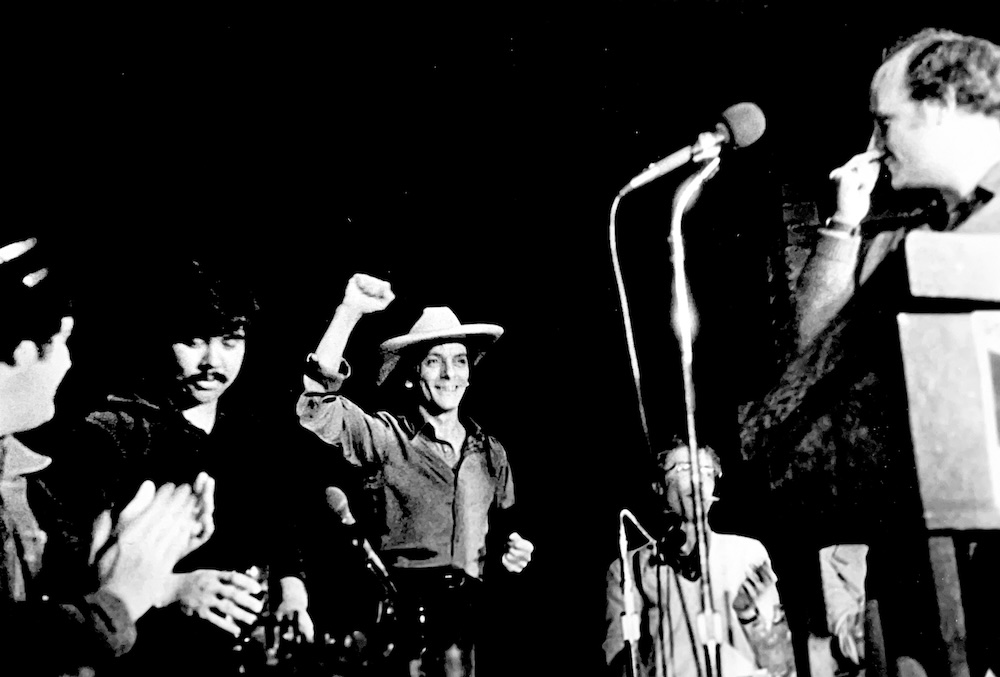
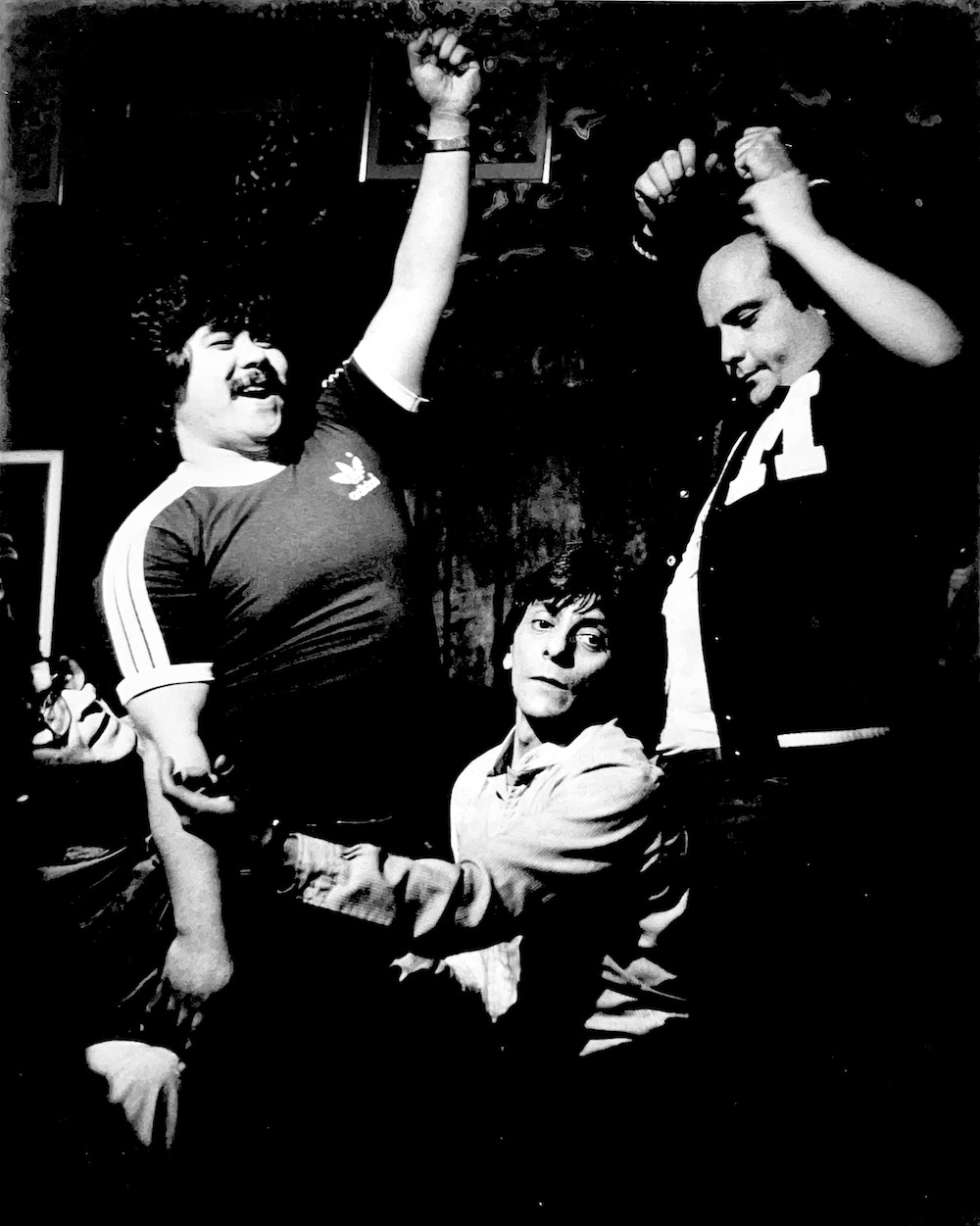
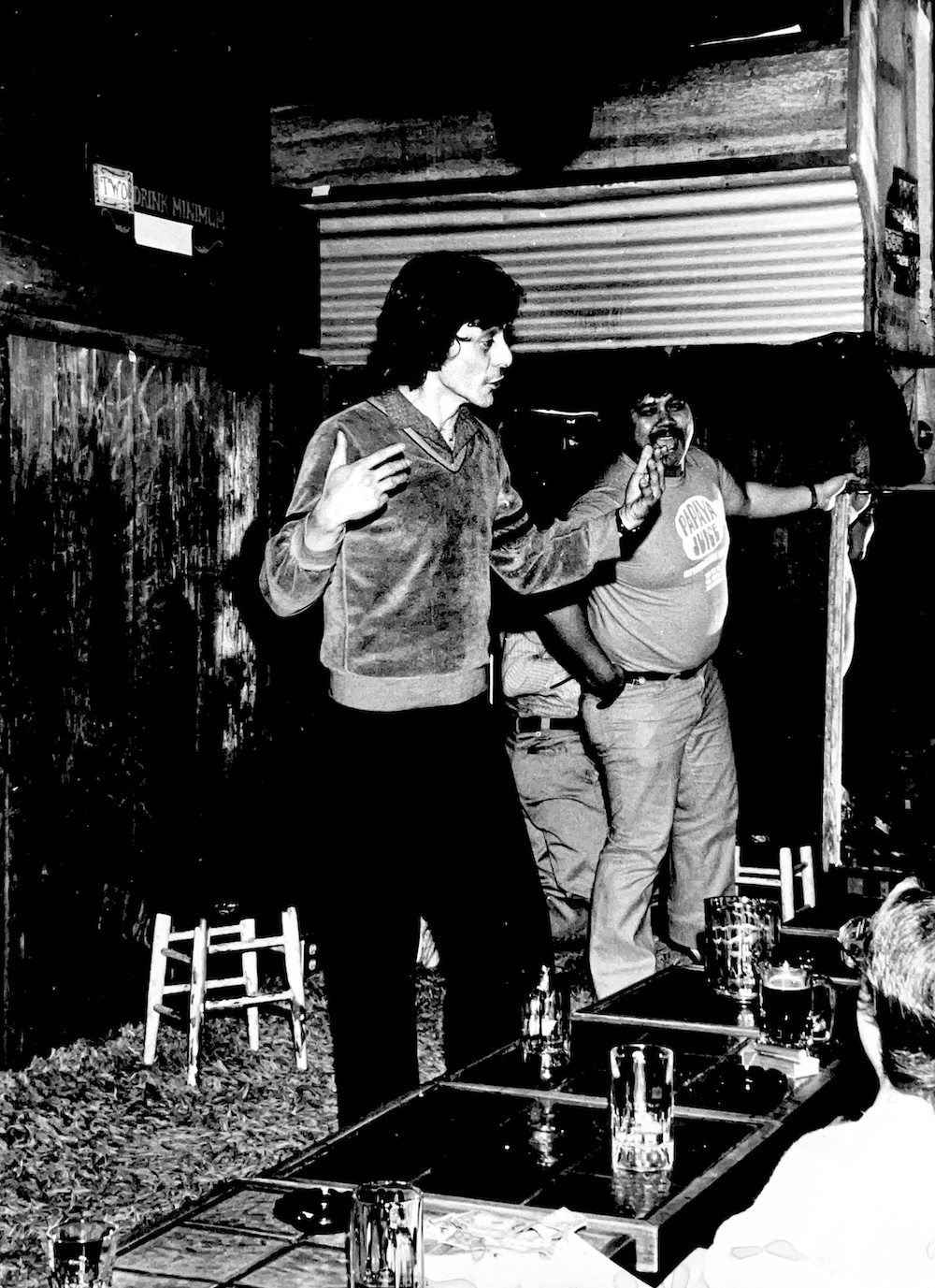
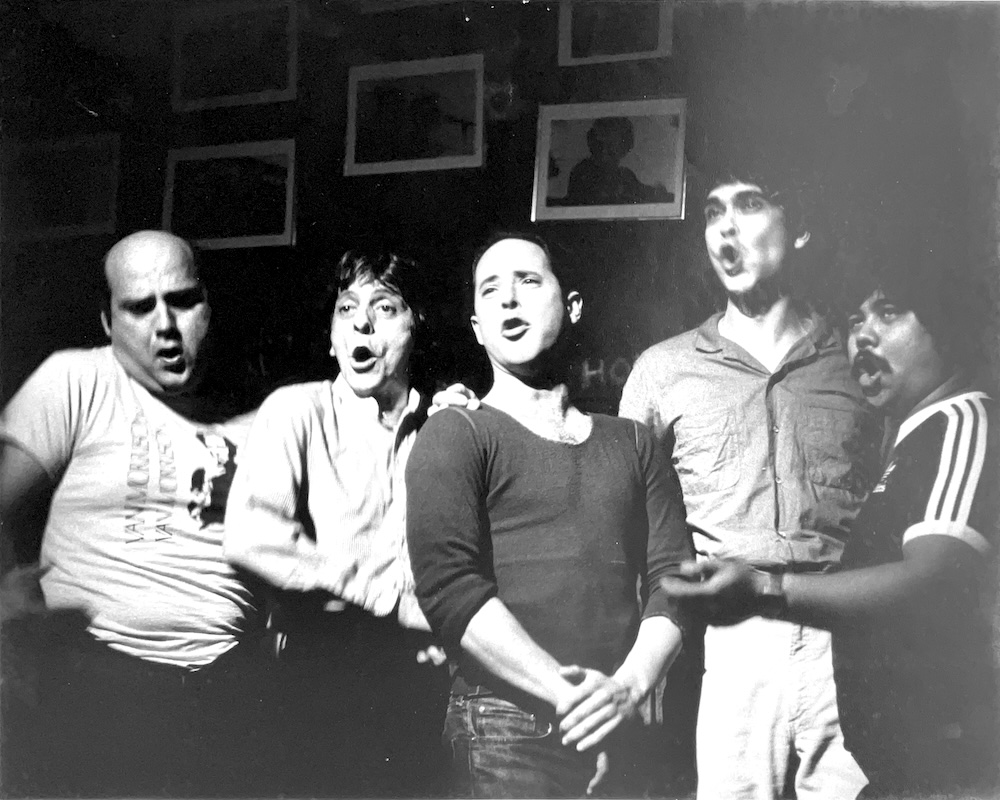
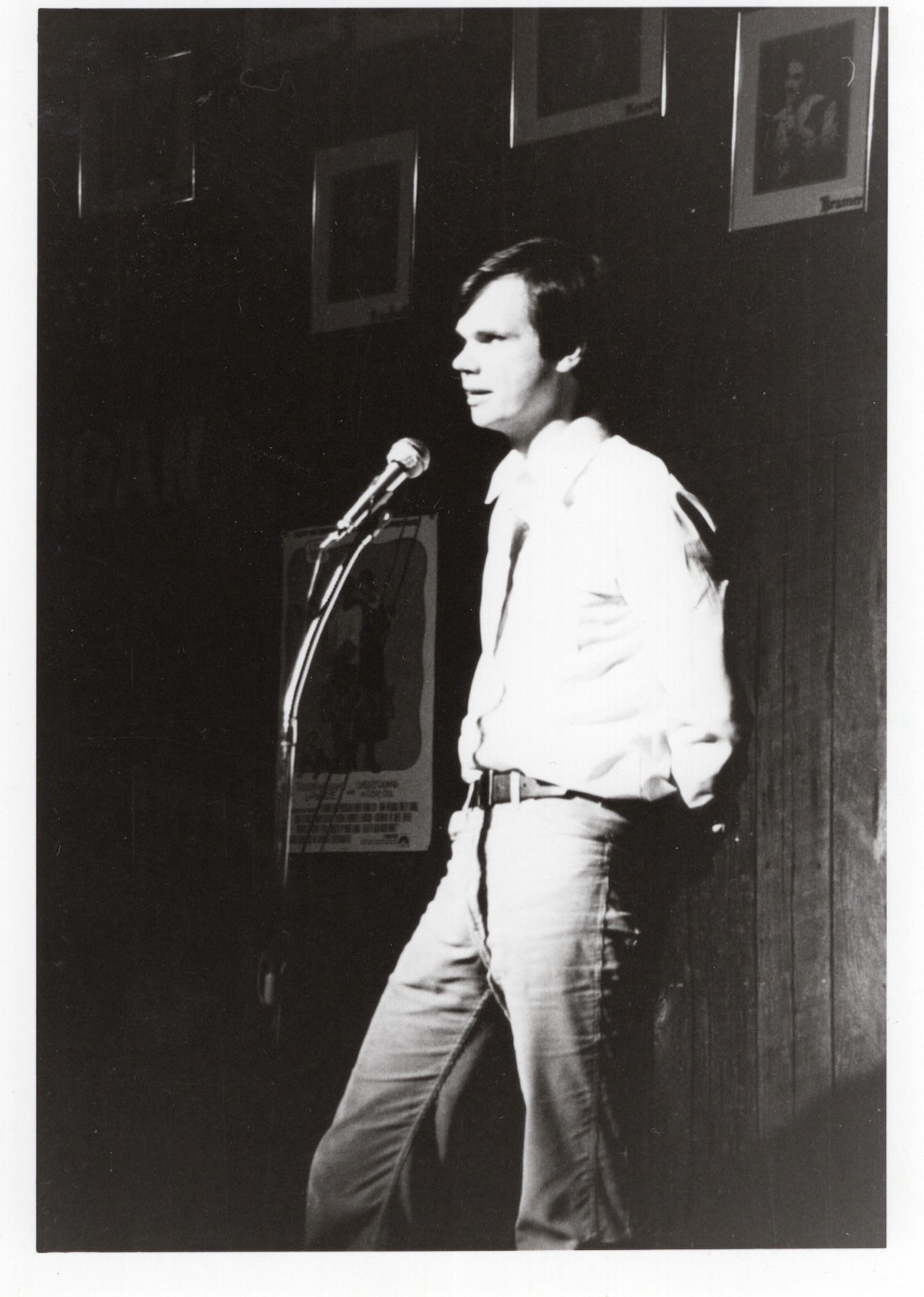
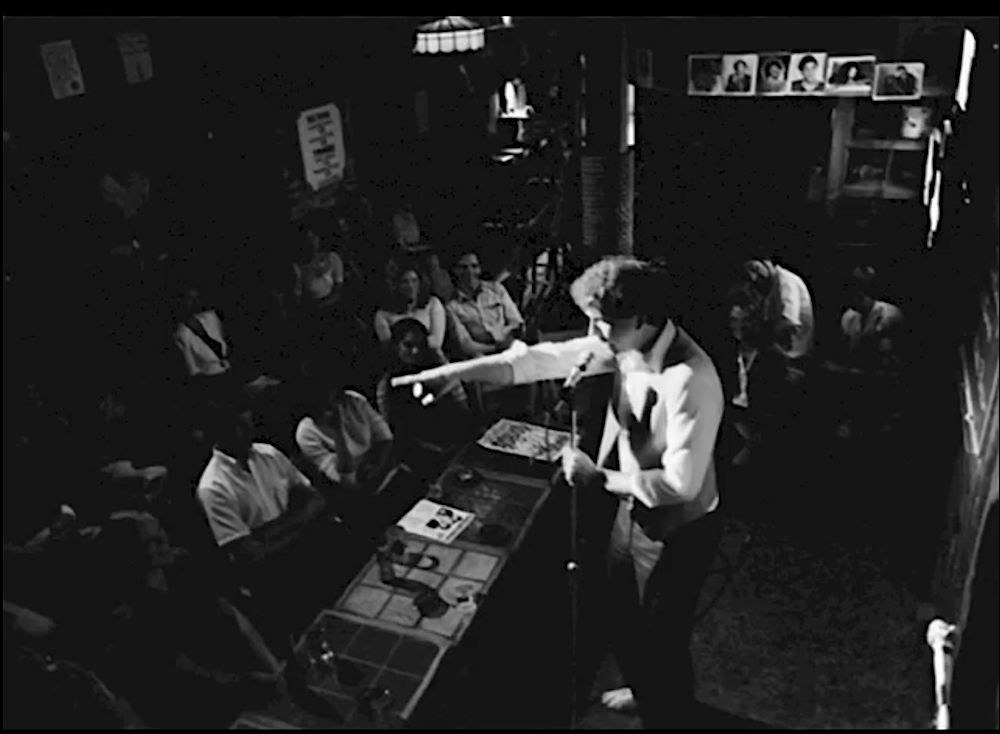
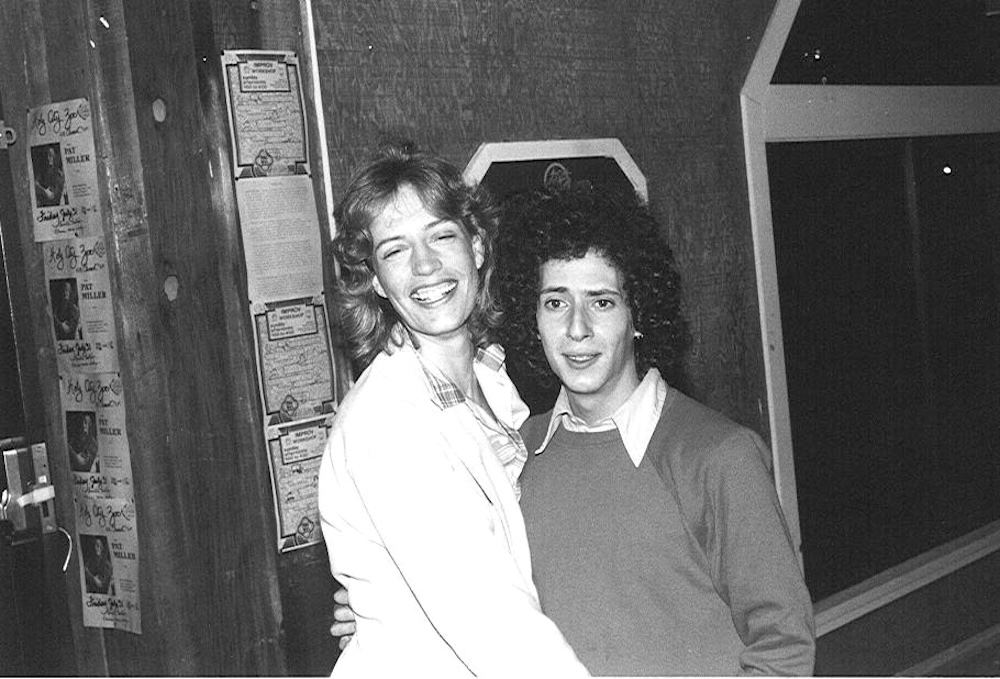
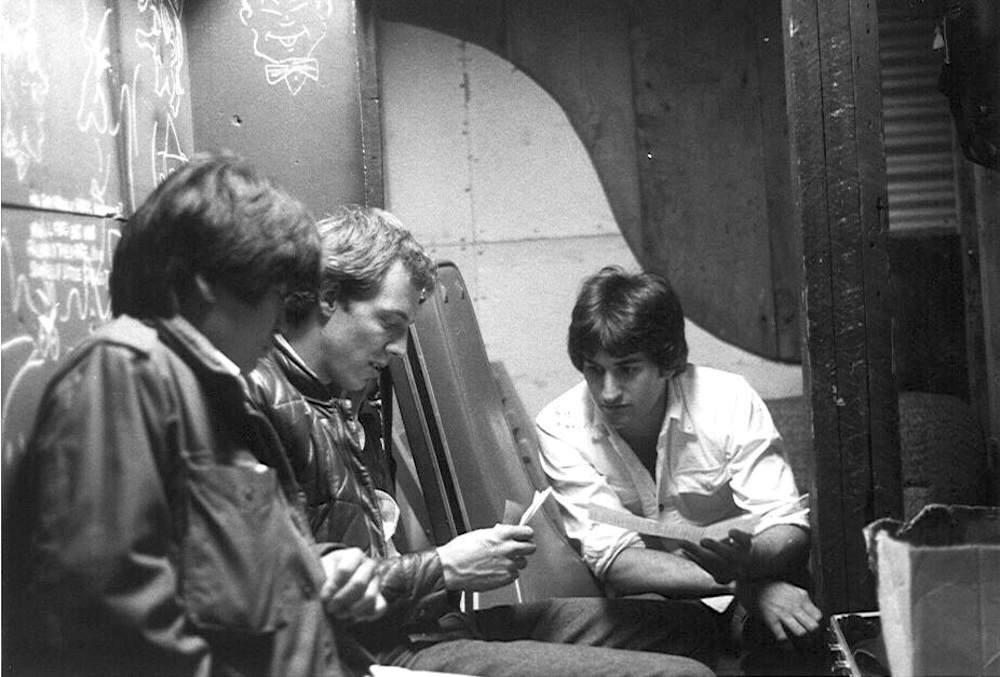
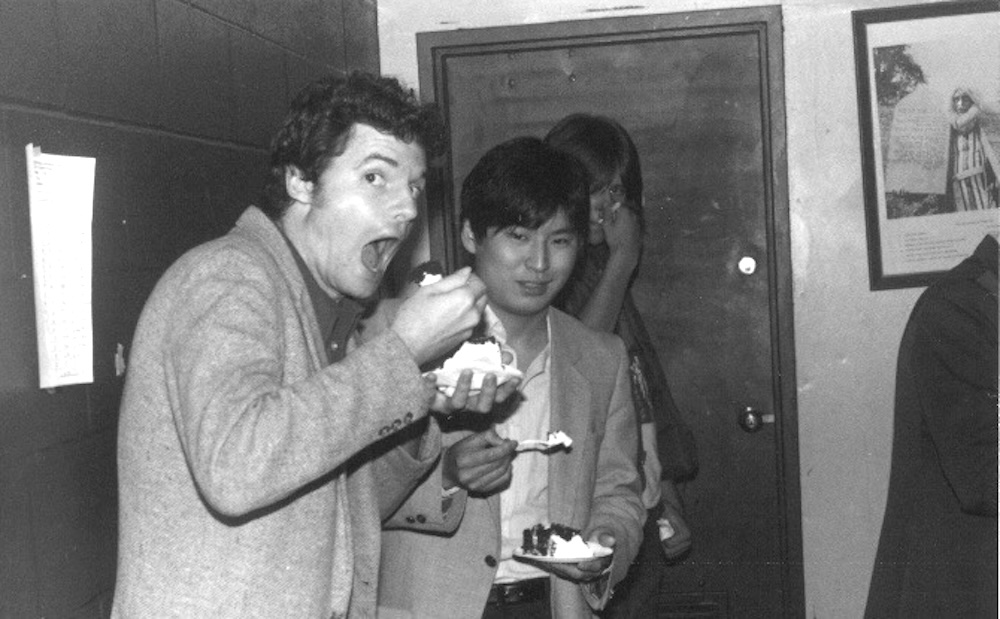
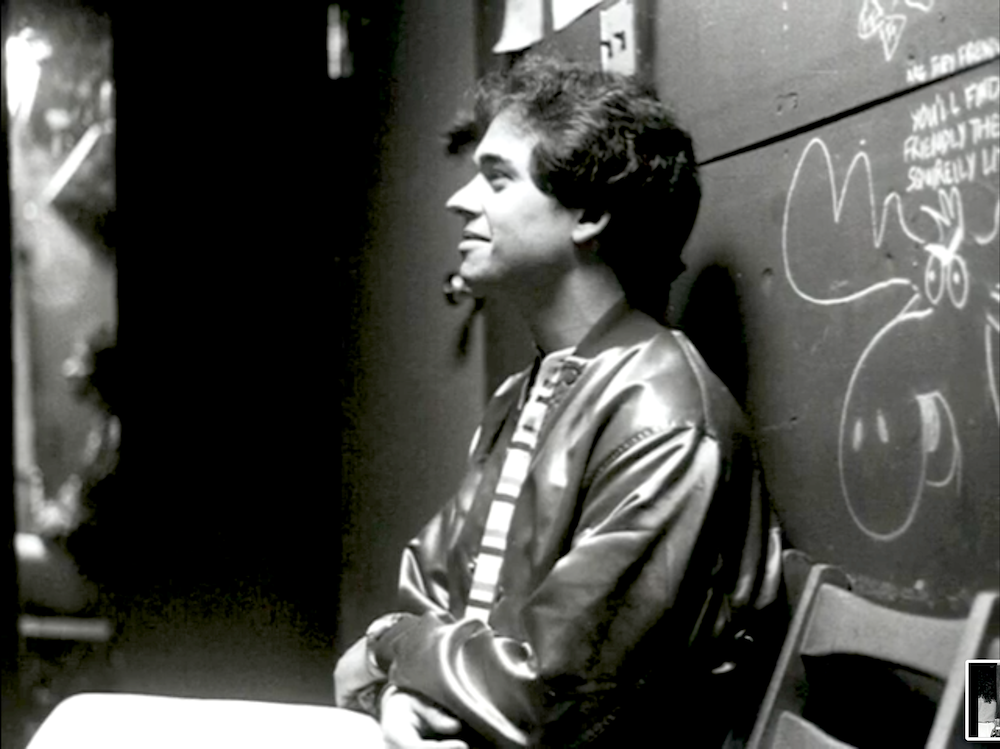
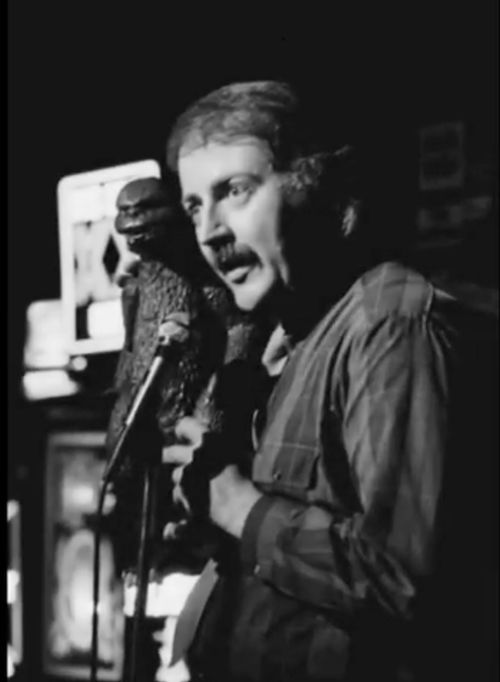

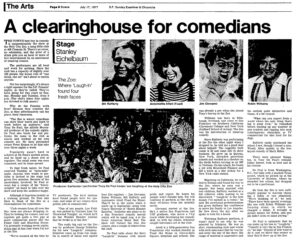
Laugh-In Auditions • 1977
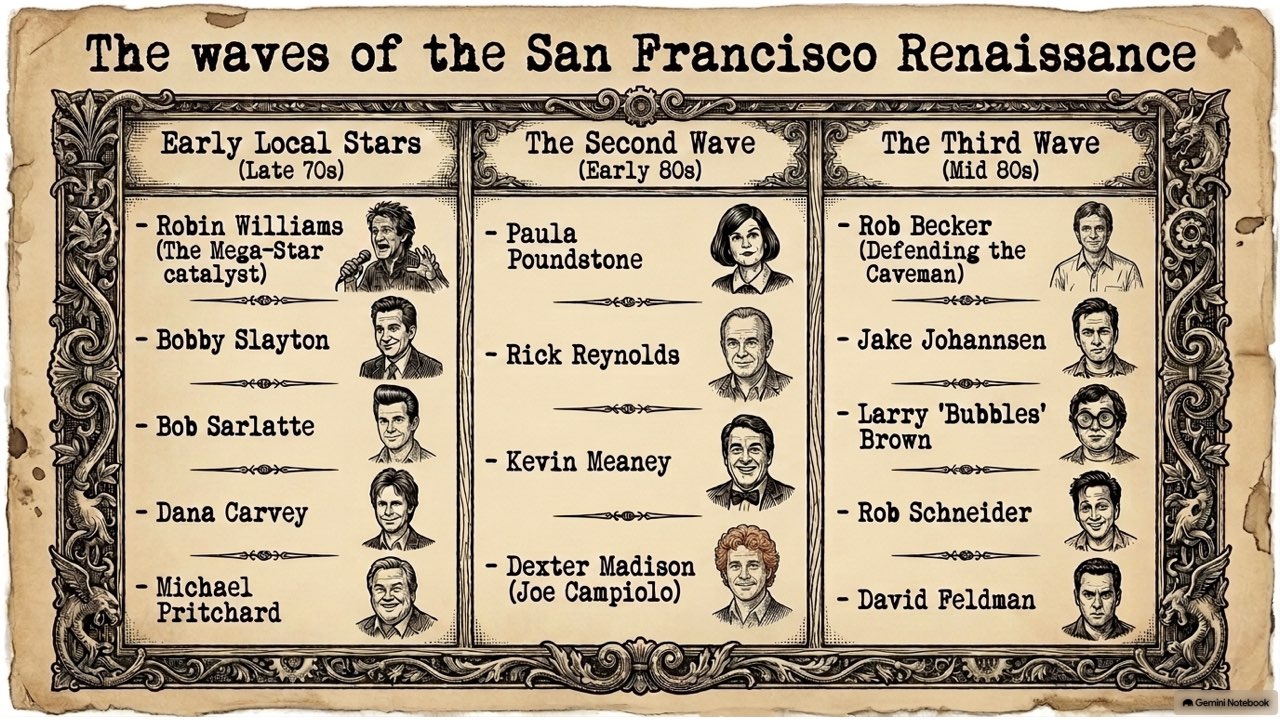
The town’s best buy in comedy is unquestionably the show at the Holy City Zoo, a snug little club at 408 Clement St. There's no cover, no admission, and the price of a drink gets you an hour or more of live entertainment by an assortment of stand-up comics. The really big raid on the Zoo was by producer George Schlatter for his new “Laugh-In” company. Schlatter came from Los Angeles in search of talent and signed four Zoo regulars.
~ SF Sunday Examiner & Chronicle • Stanley Eichelbaum
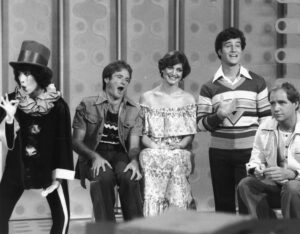
Laugh-in •
A series of six hour-long specials which aired (primarily) on a monthly basis. The mixture of skits taped with and without an audience, plus animated scenes and overlays, proved to be a nightmare to edit. Further compounding troubles, the crew was heavily at odds with the NBC censors. As soon as the finale aired, producer George Schlatter remarked to the press that it had been such a hassle that he had no intention of producing further episodes. Producer George Schlatter relaunched the series without creators and hosts Dan Rowan and Dick Martin, who later won a 4.6 million dollar lawsuit against Schlatter for continuing the show without their permission. ~ IMDB Trivia
Open Mikes
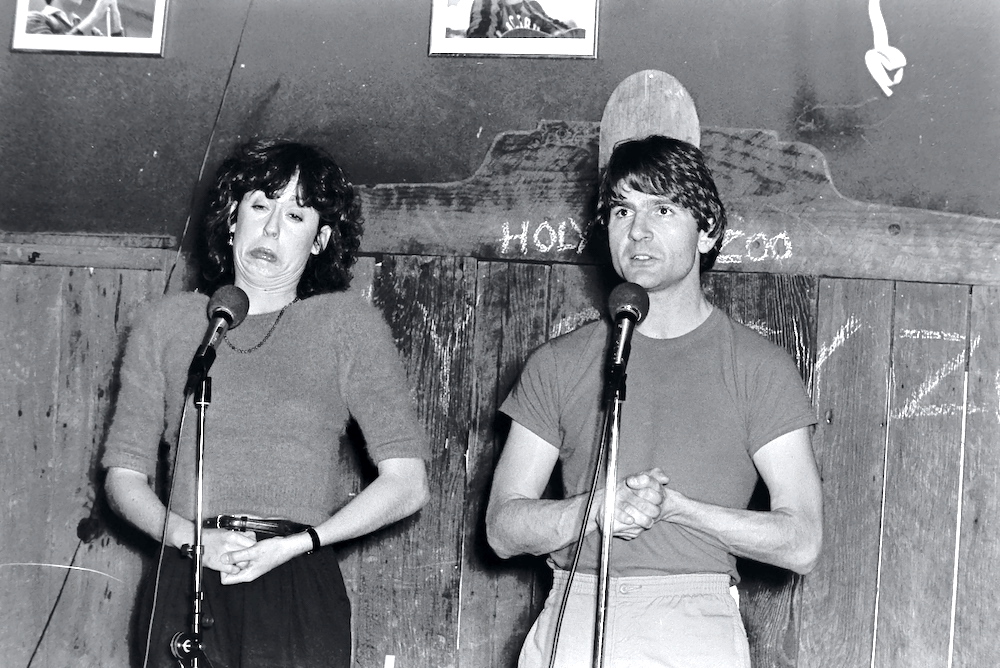
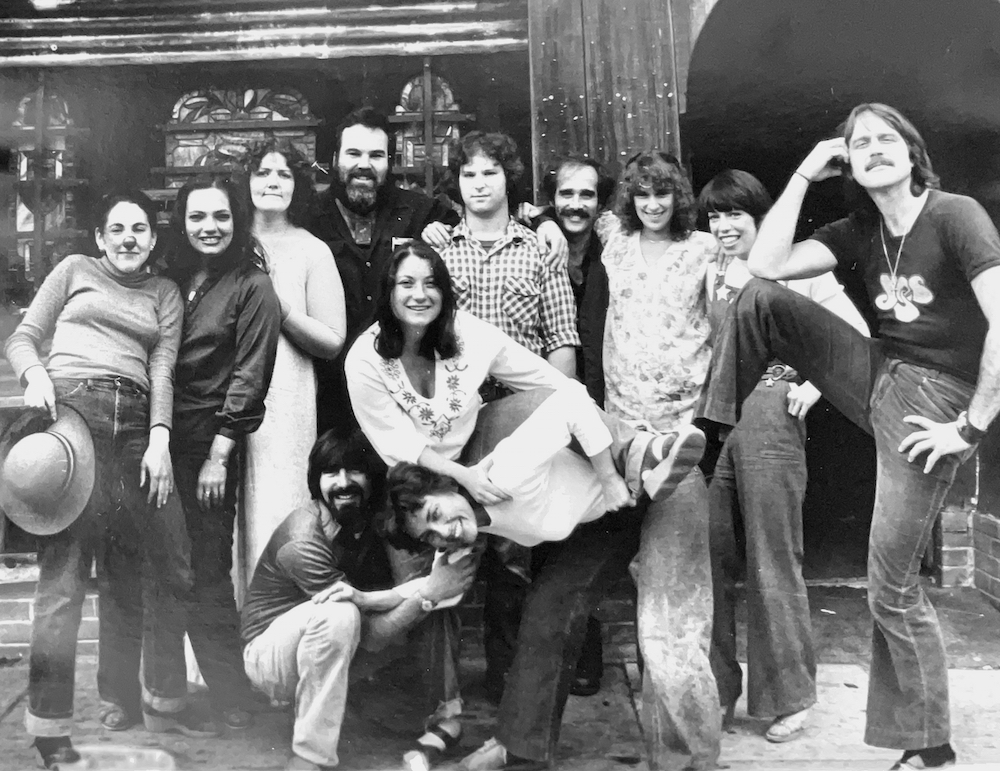
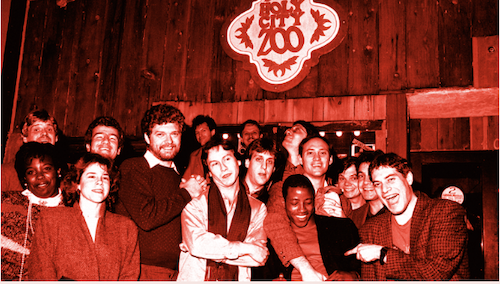
A gathering of cut-ups pose outside the Zoo c.1979. Likely an afternoon improv class, most of the identities are illusive. Those recognizable are Pat Daniels, Teresa Roberts, Jason Christoble (Zoo owner at the time), Carol Roberts, Chris Frieber and a very pregnant Joann Bolan. Help identify the remaining mystery men and women and send it along to the AMUSEum!
FLipside
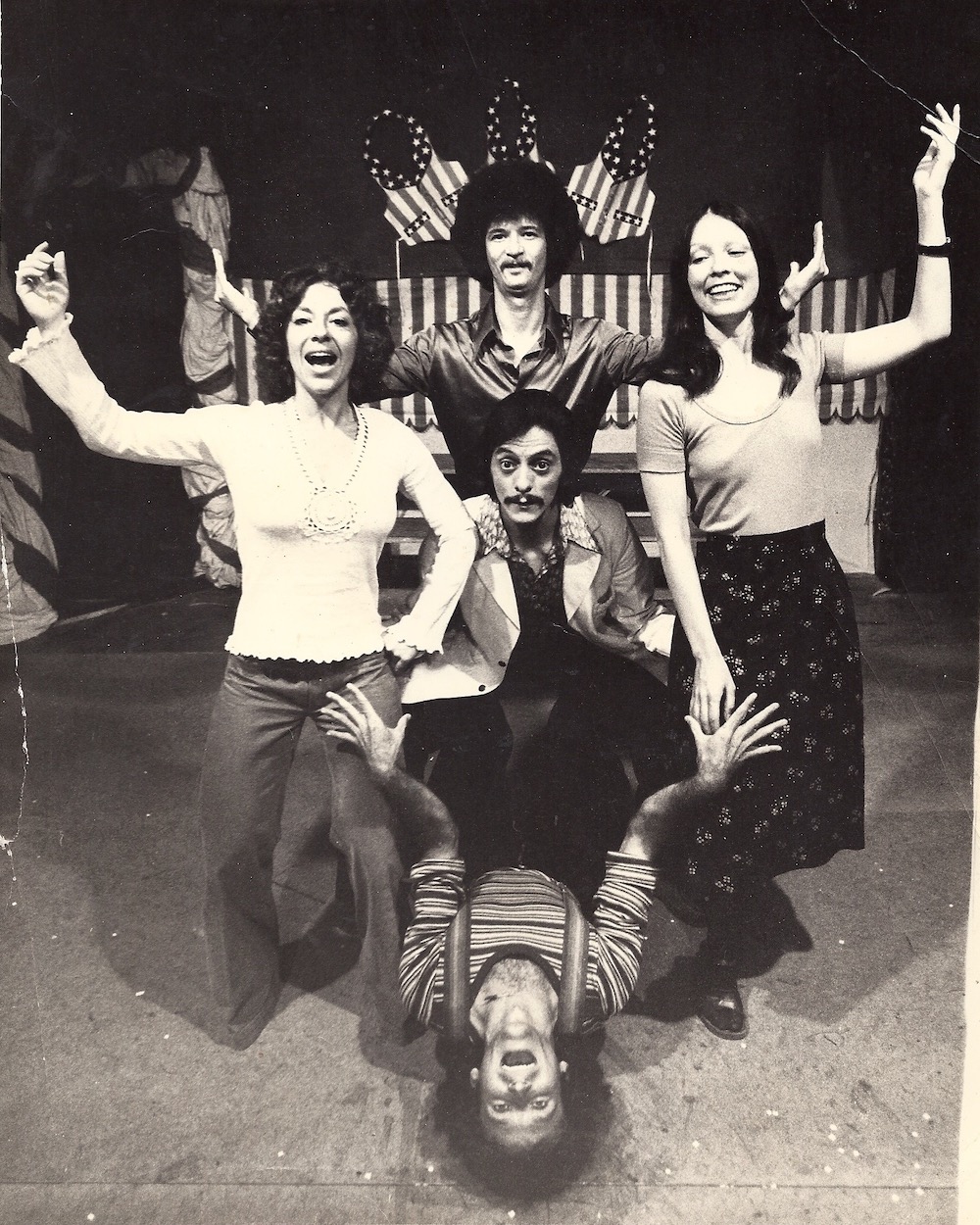
An early in-house improv and sketch group included Lorenzo Matawaren (aka Buzz Belmondo), May Lee Davis, (later Monica Piper) Jose Simon, Kathy Keeley and an upended upstart named Robin Williams. Their name likely reflected the predominant San Francisco neighborhood the members lived in.
December 1979
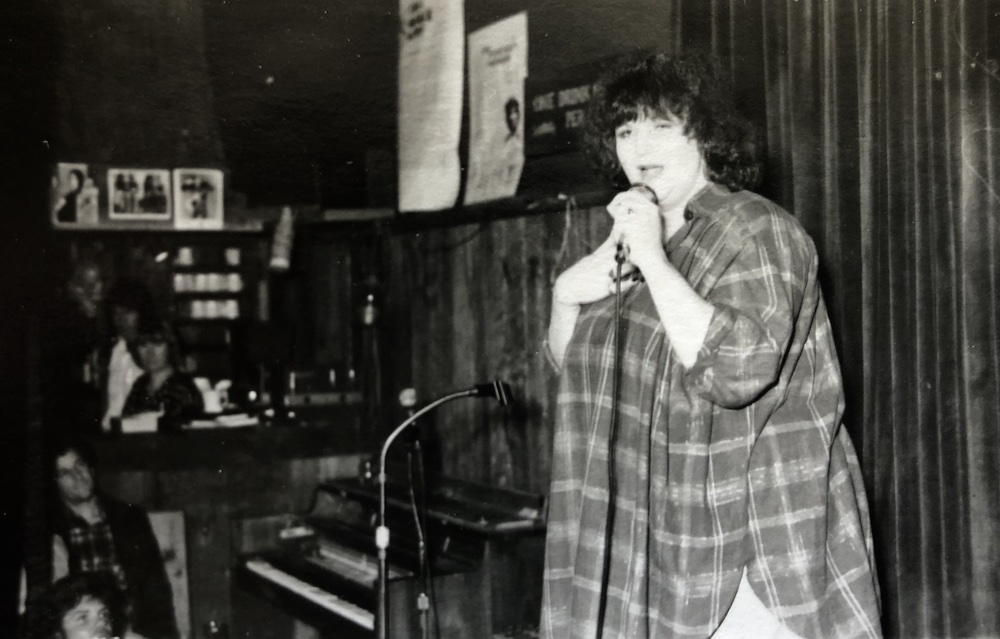
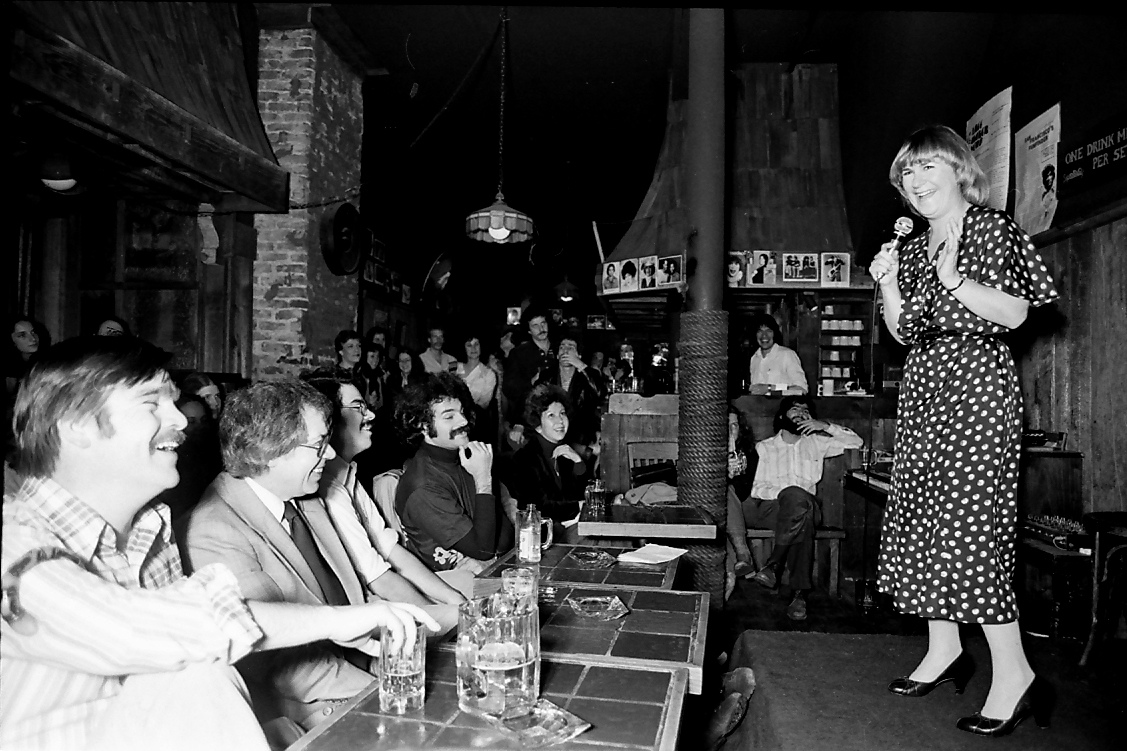
On a cold Wednesday evening in late December, 4 women of a freshly-formed improv troupe stormed onto the small stage at the Holy City Zoo as MCs or hostesses… opening act… and cheerleaders of the very first Women's Night. Pat Daniels, Susan Healy, Teresa Roberts and Terry Sand opened the show with improvisational sketches to warm up the audience for 15 minutes in preparation for the handful of women they would graciously introduce throughout the evening. There were less than a half dozen comediennes in the line-up that night, likely every woman doing stand-up in the Bay area. All the women that night seized the opportunity for stage time in front of a live audience, whether it was a ground-breaking magnanimous gesture by the Holy City Zoo or a way to cash in on the novelty of women performers, ~JrH
At the destination
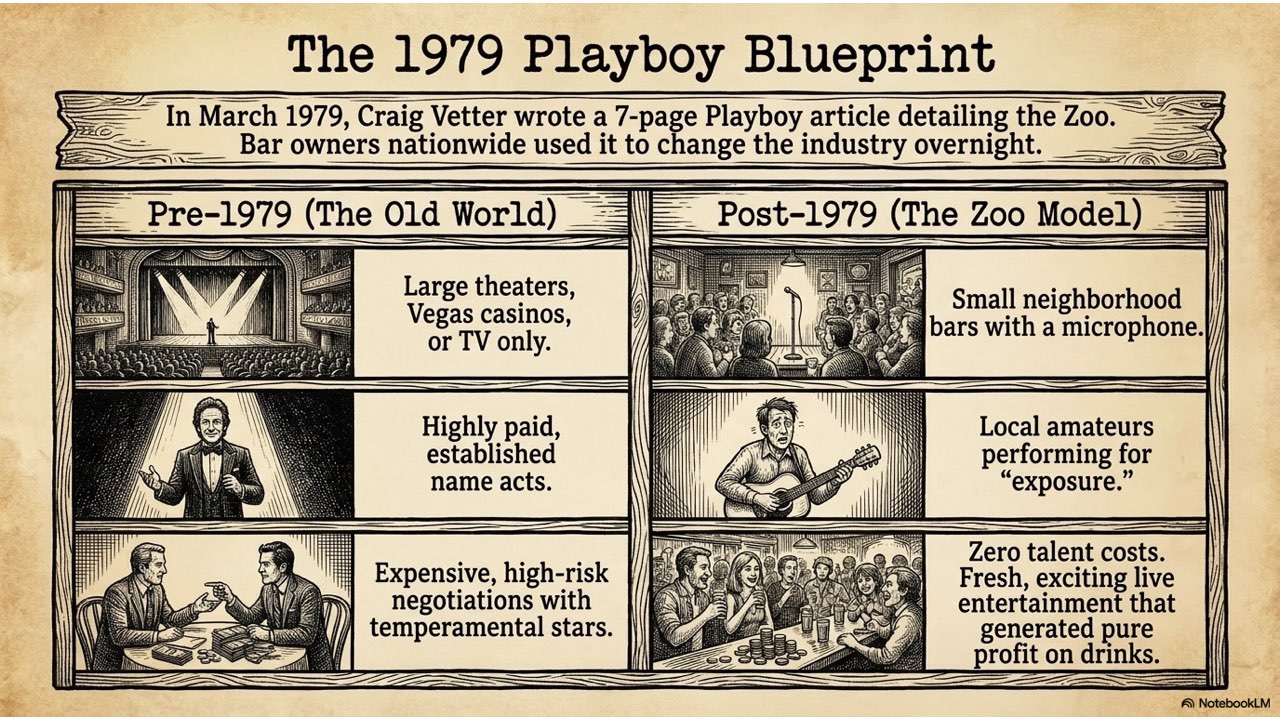
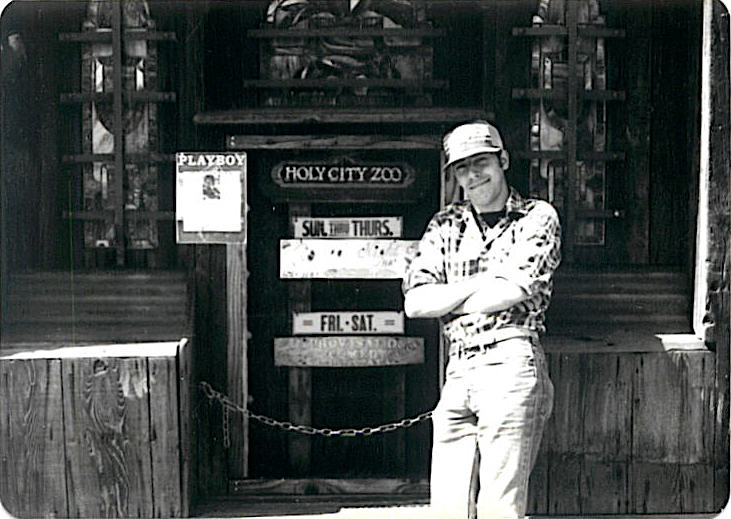
Then freelance writer, Craig Vetter wrote an article on the "Zoo" that was published in the March 1979 issue of Playboy magazine. ("You've Gotta Have Heart").Across the country a couple of dozen bar owners read about this new concept of live entertainment happening in San Francisco: Stand-up comedy. By starting an open mike. You imbued your club with a concept that was at that time new, fresh, and exciting and best of all with an open mike YOU DIDN'T HAVE TO PAY ANY ONE. You got live entertainer who performed for free. ~ John Cantu
Along with bar owners, many comics site the Playboy article as their first awareness of the Zoo's business plan. It functioned as a beacon to draw them westward toward this hole in the wall to jumpstart their comedy careers.
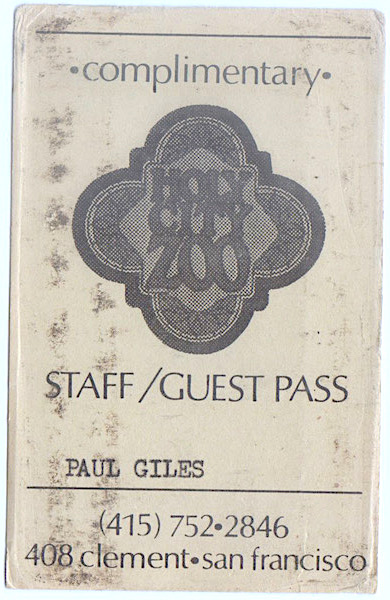
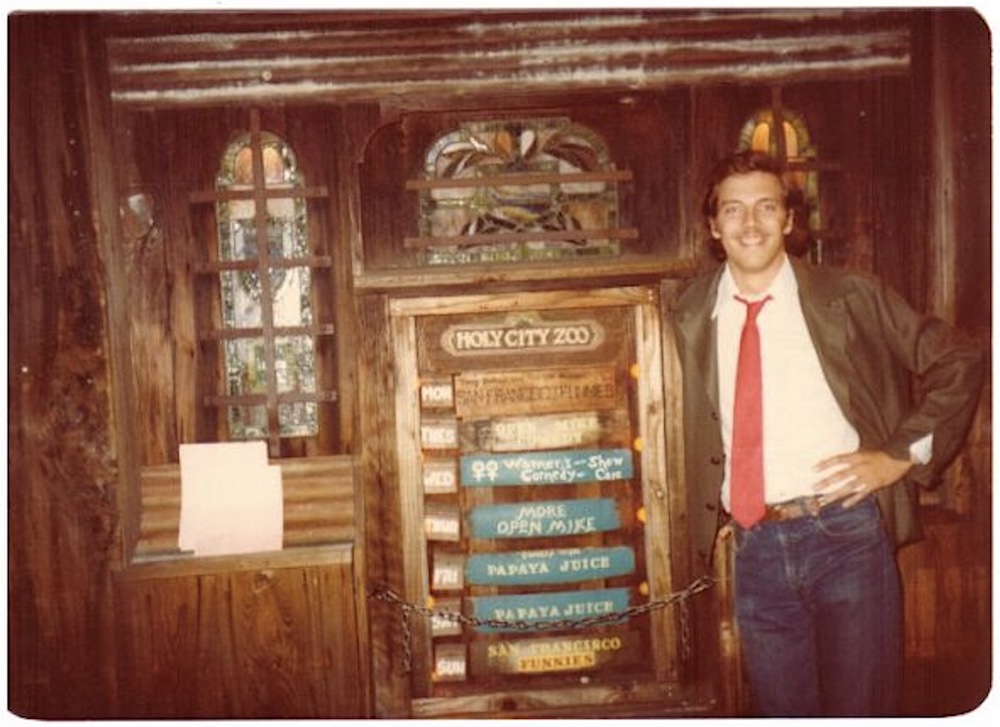
Pictured: Paul Giles and the Playboy article proudly displayed by the Zoo management.
Buddies
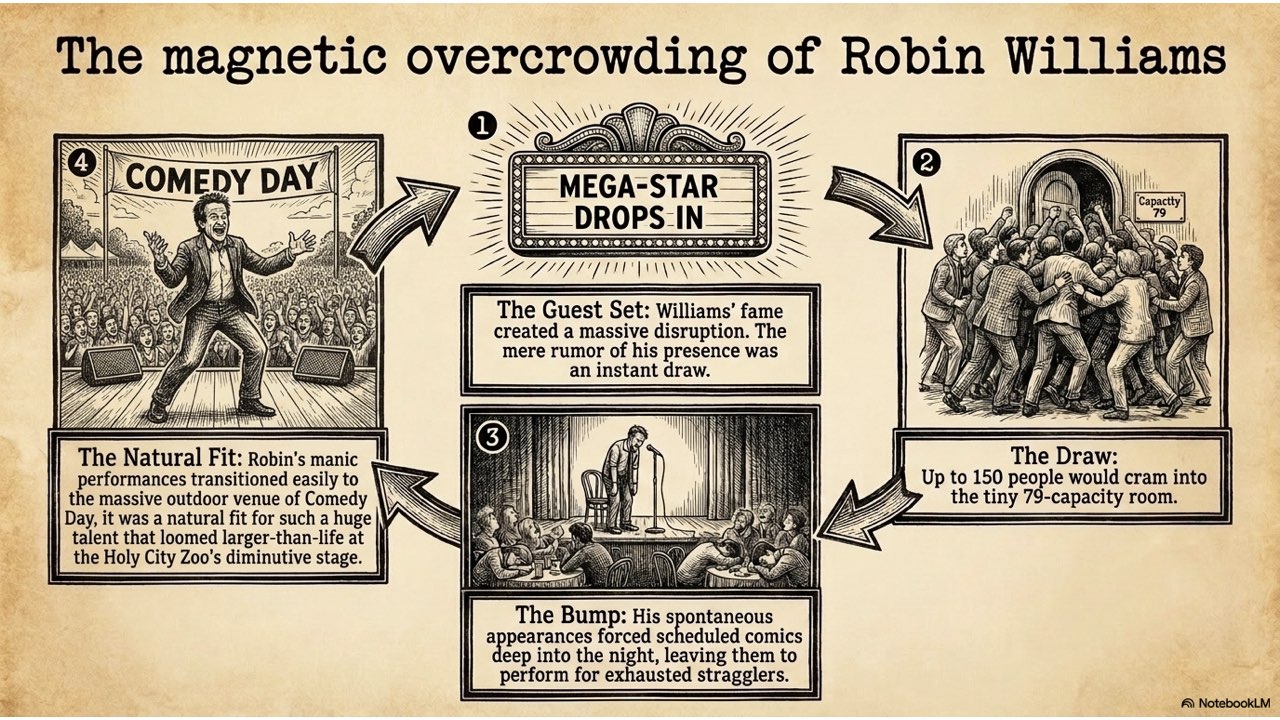
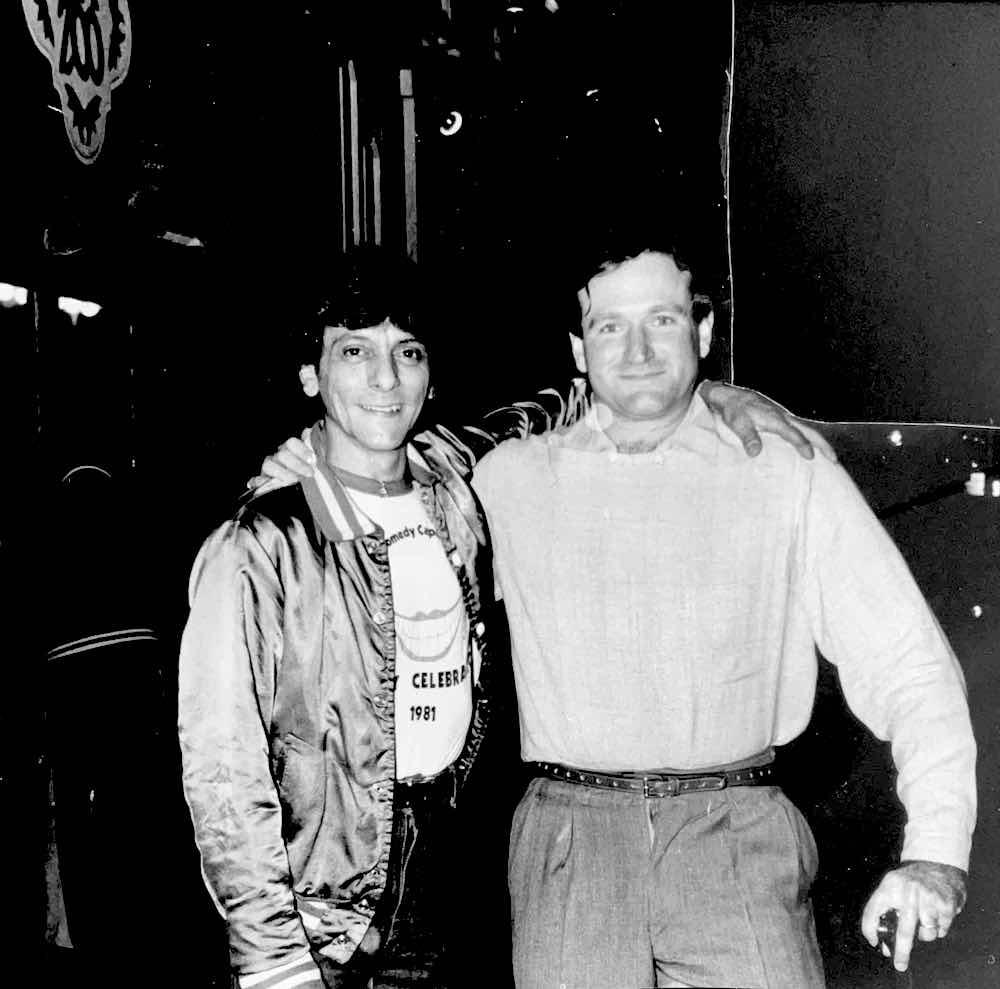
Jose Simon workshopped with Robin Williams in the early North Beach gathering places like The Intersection, Spaghetti Factory and Savoy Tivoli. They improvised together when Robin would drop in to play with Papaya Juice at the Zoo. Their friendship thrived throughout Jose's stewardship of Comedy Day and Robin's generosity to keep it afloat. When the Zoo became the hot bed of no-holds barred and late-night creativity for stand-ups and improvisers, the migration to Clement Street became the last stop before last call.
Fire Marshall
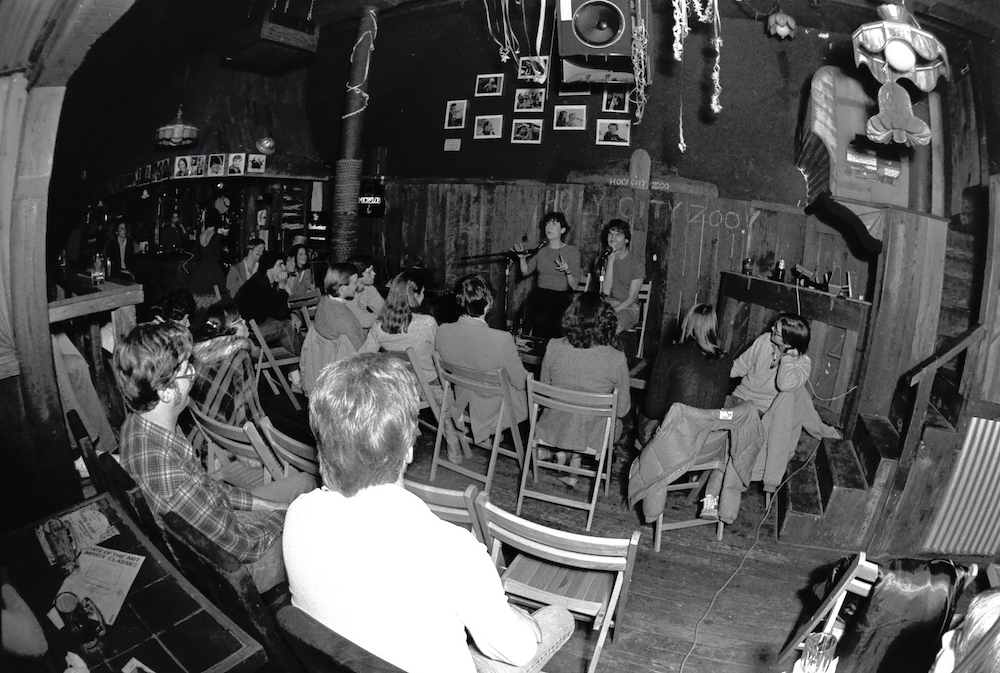
The tiny footprint of the wood paneled room relegated seating to accommodate 59 (later 74) audience members. A small mezzanine booth was usually filled. Unfortunately, the balcony (initially dubbed the John Wilkes Booth, and later favored as the Spice Rack by Paula Poundstone) overlooking the stage was 'reserved' for comics to cheer on or heckle those on stage. It also served as an anteroom for the low-ceilinged office space where comics got paid or negotiated their bookings. At peak hours, you could join a contingency of patrons and comics in an ebb and flow of the SRO entry to the club.
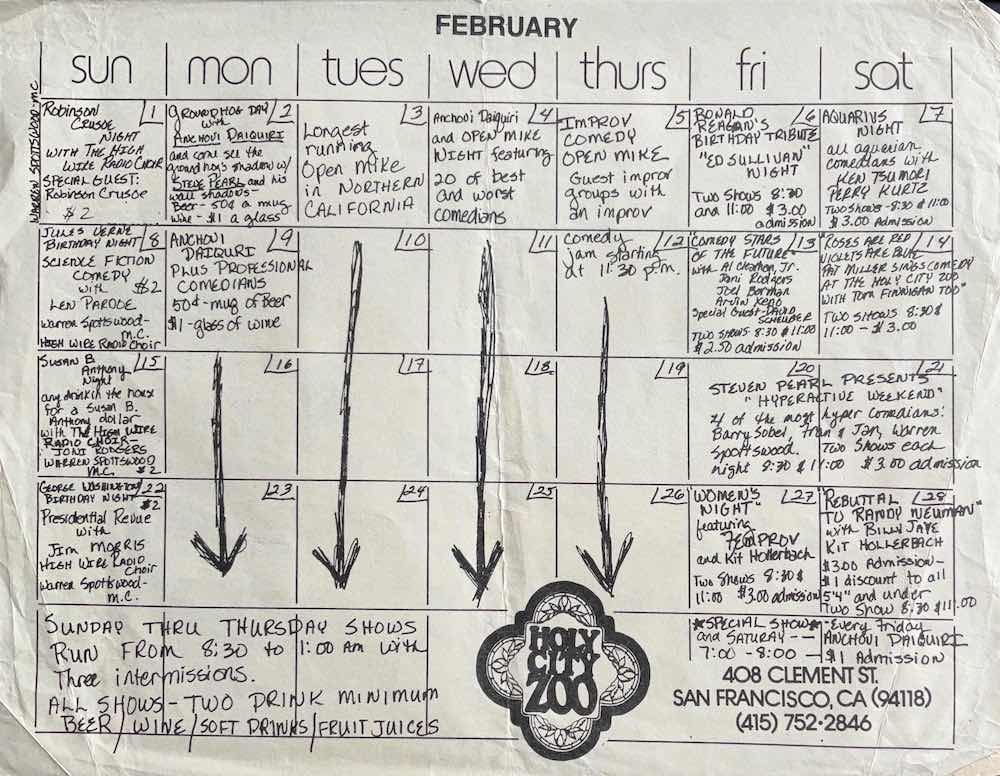
Open Mikes
Birthdays were co-opted to celebrate George Washington, Ronald Reagan, Susan B. Anthony, Jules Verne, Robinson Caruso, along with a night of Aquarian comics who qualified. Anchovie Daquiri hosted Open Mikes with no apologies for the spectrum of funny likely to show up. A Women's Night, a Rebuttal to Randy Newman and a Hyperactive Weekend hosted by Steven Pearl who also feted Groundhog's Day showcasing his own 'wall shadows'.
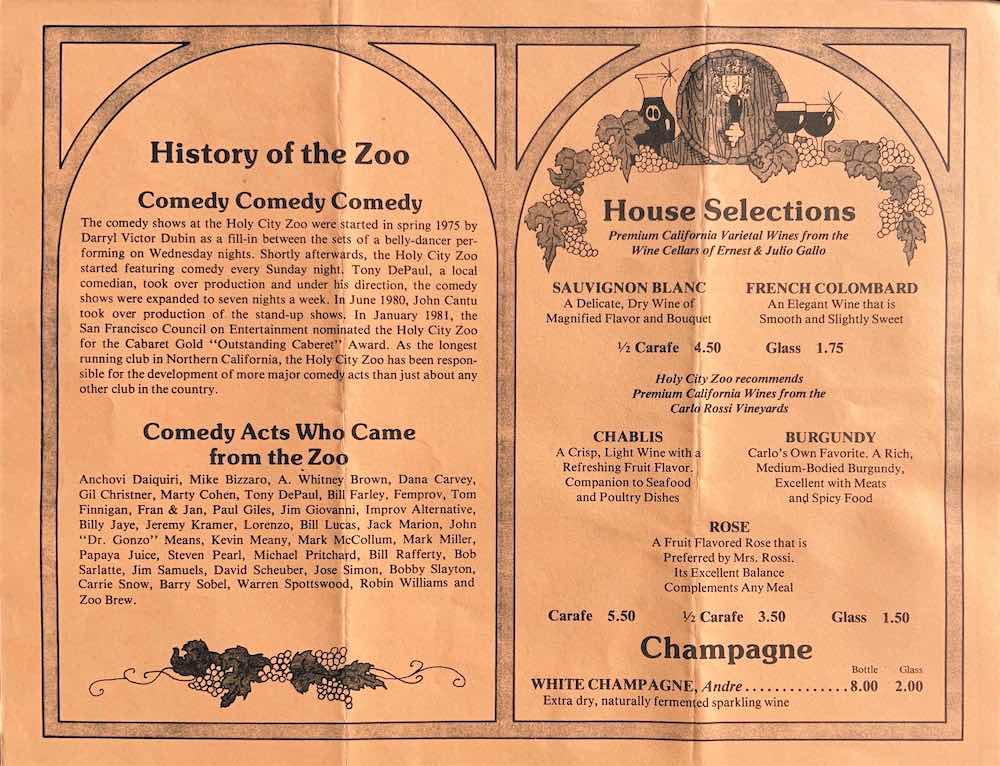
FLipside
The House Wines … and Champagne! menu featuring selections from the Gallo Wine Cellars and Carlo Rossi Vineyards. Charming that the descriptions offered meal pairings with Poultry, Seafood, Meats and Spicy Foods… although the Zoo only offered a bowl of nuts for nourishment.
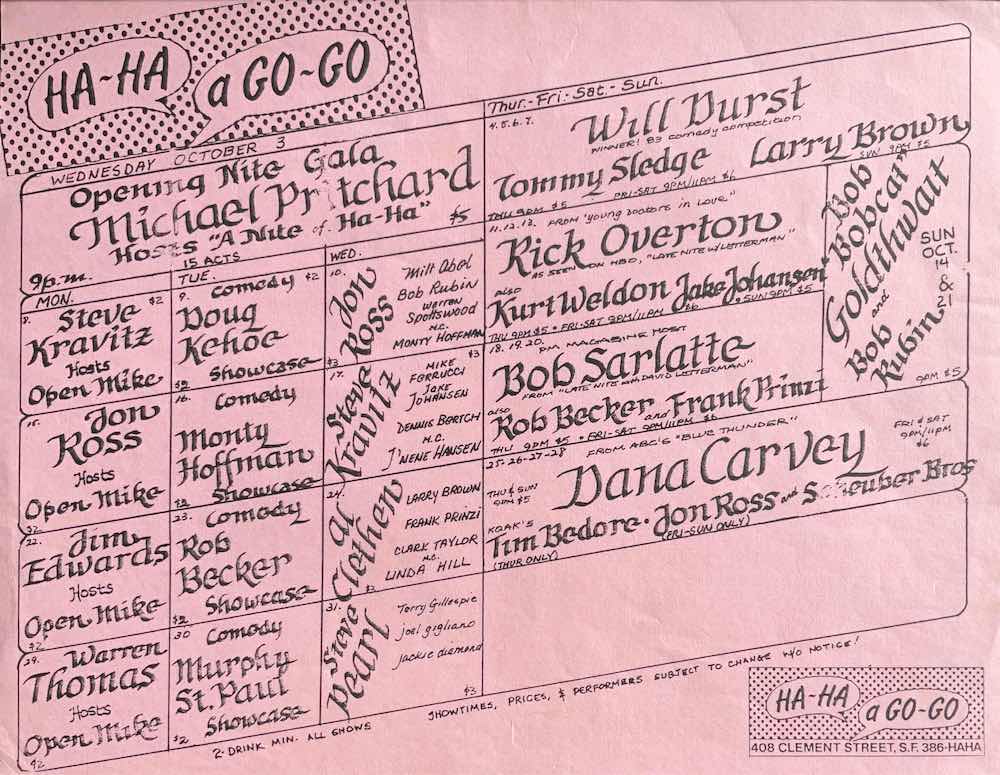
October 1984
After his success booking Cobb's Pub, Tom Sawyer remodeled, renamed and re-opened the club as the Ha-Ha-a-Go-Go. The beer-soaked floorboards were covered with an upscale checkerboard look. Despite the grumbling, and inevitable jokes about the new moniker, the comics flocked to the fancy clubhouse to play once again.
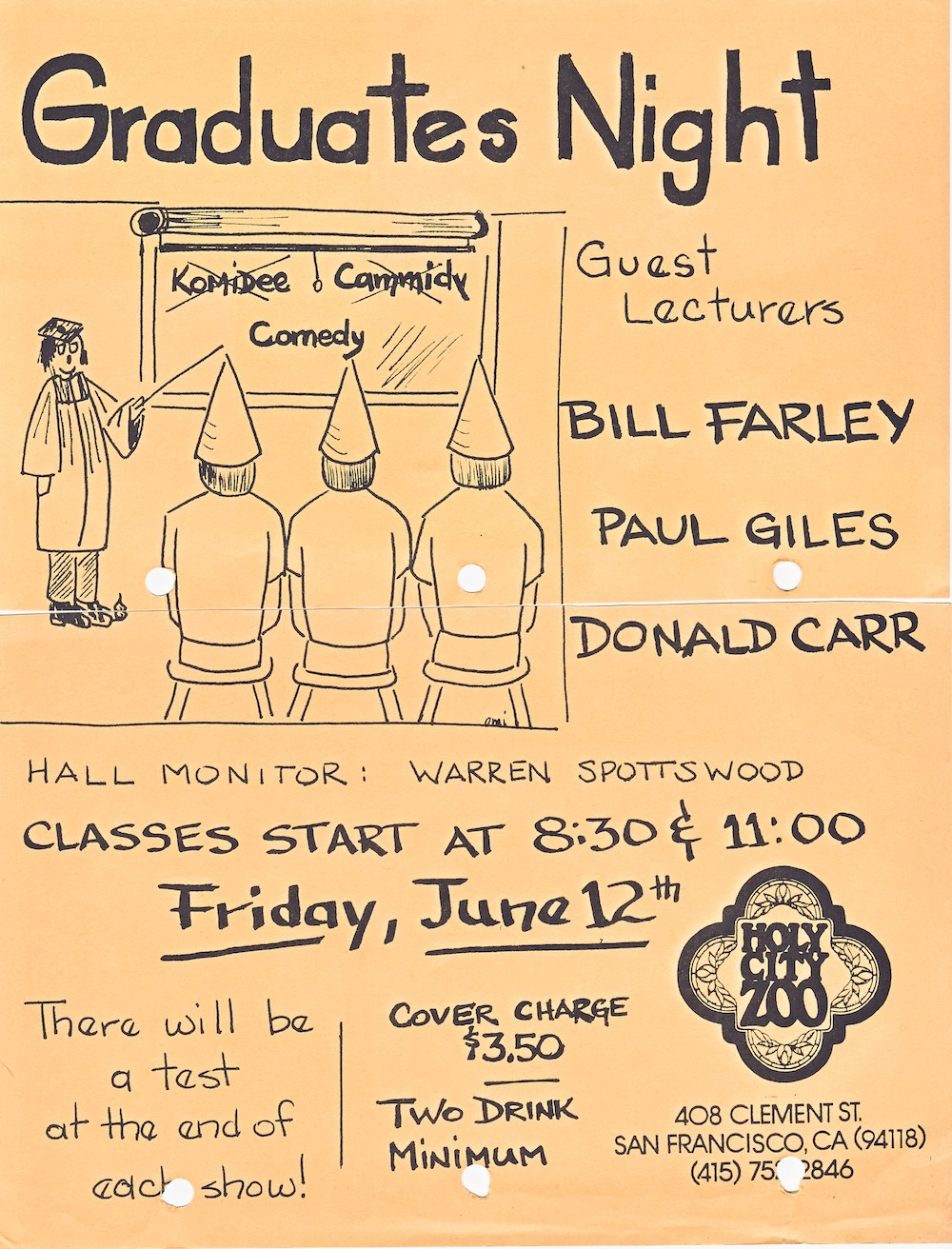
GUEST LECTURERS
Clown teaches dunces the proper way to spell Comedy.
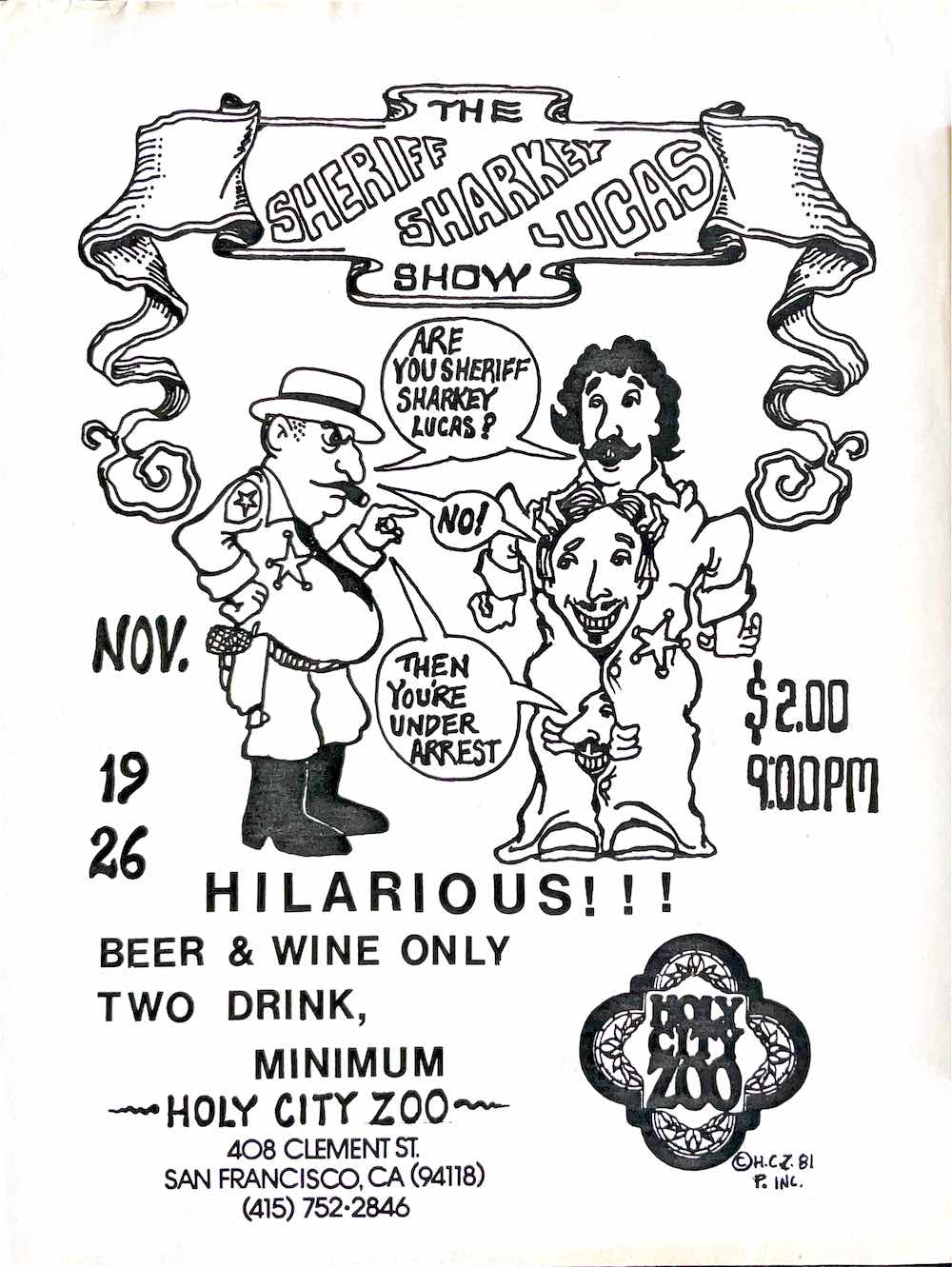
SHERIFF • SHARKEY • LUCAS
1981 • The funny started with the flyer.
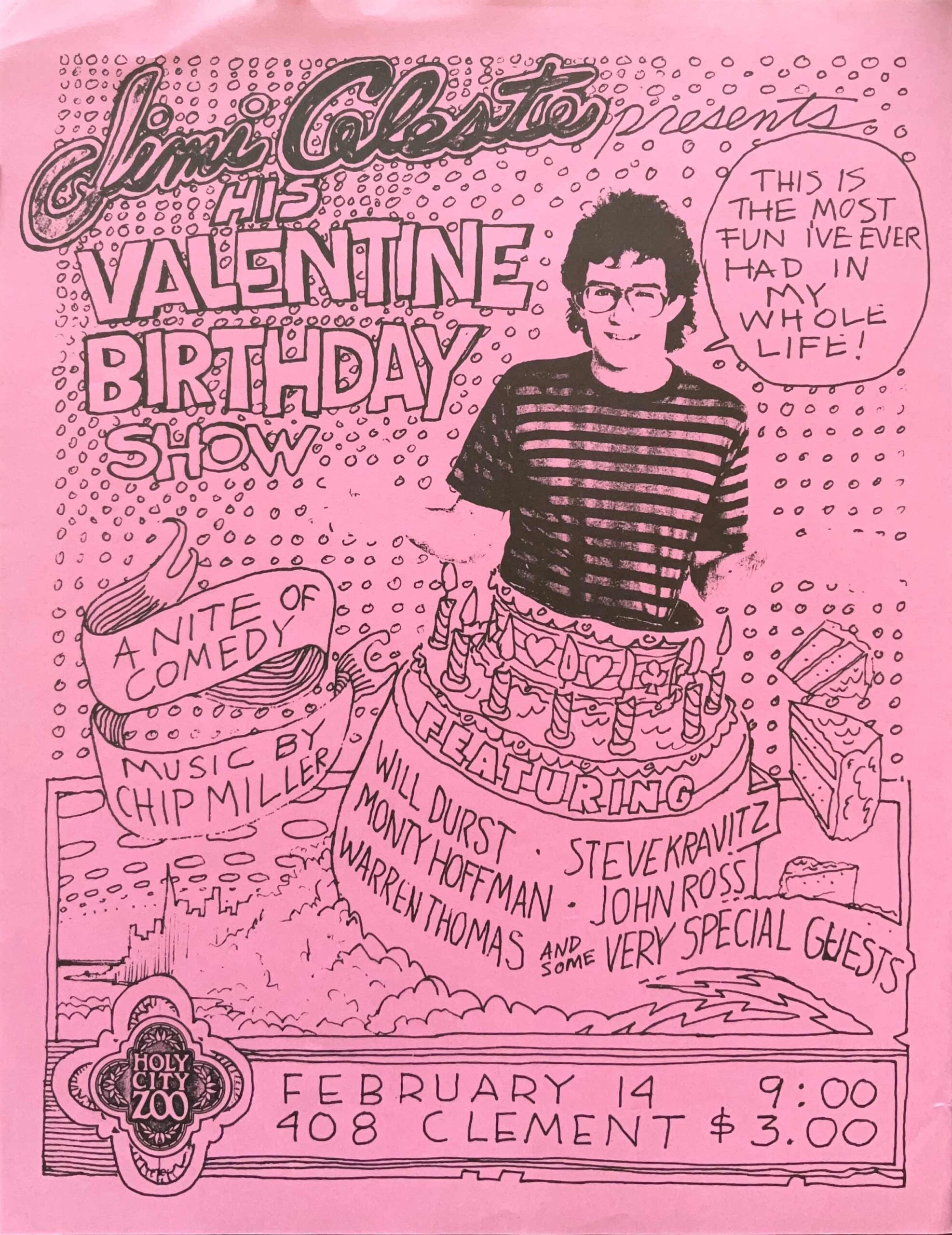
ANNUAL BIRTHDAYS
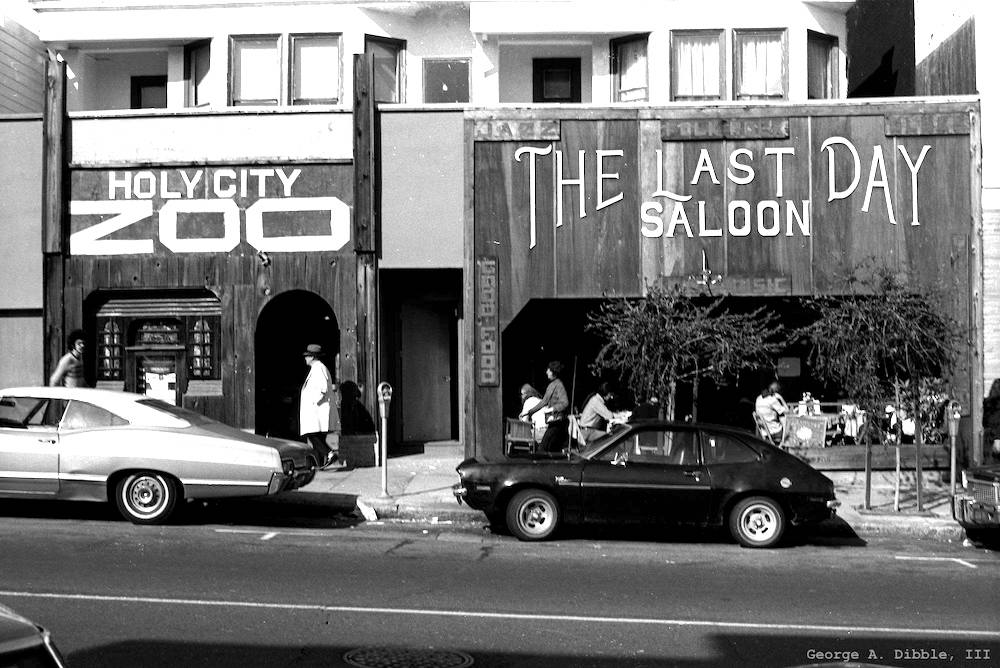
Situated next door to the The Last Day Saloon, musician pals could be pressed into service to provide variety
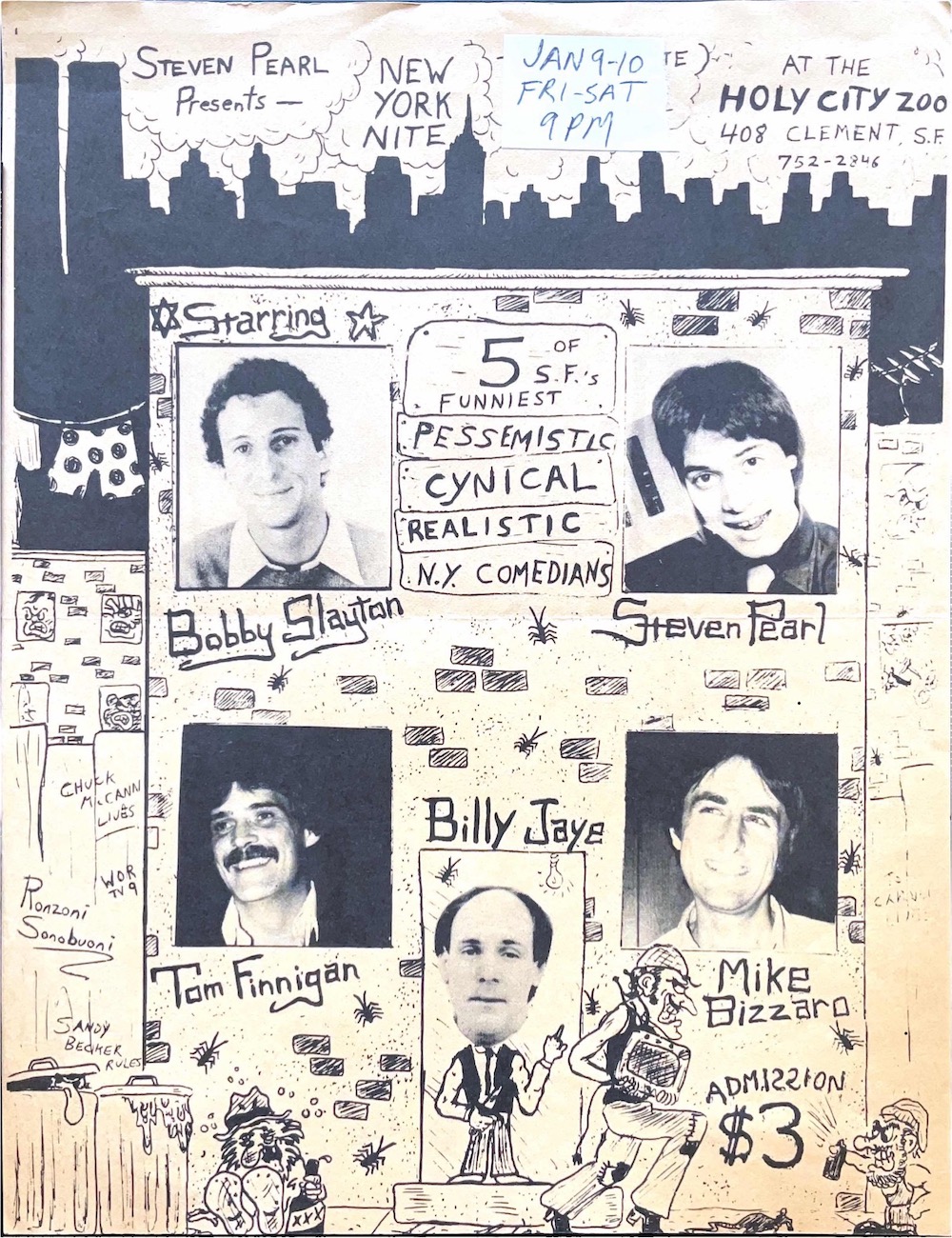
New York Nite
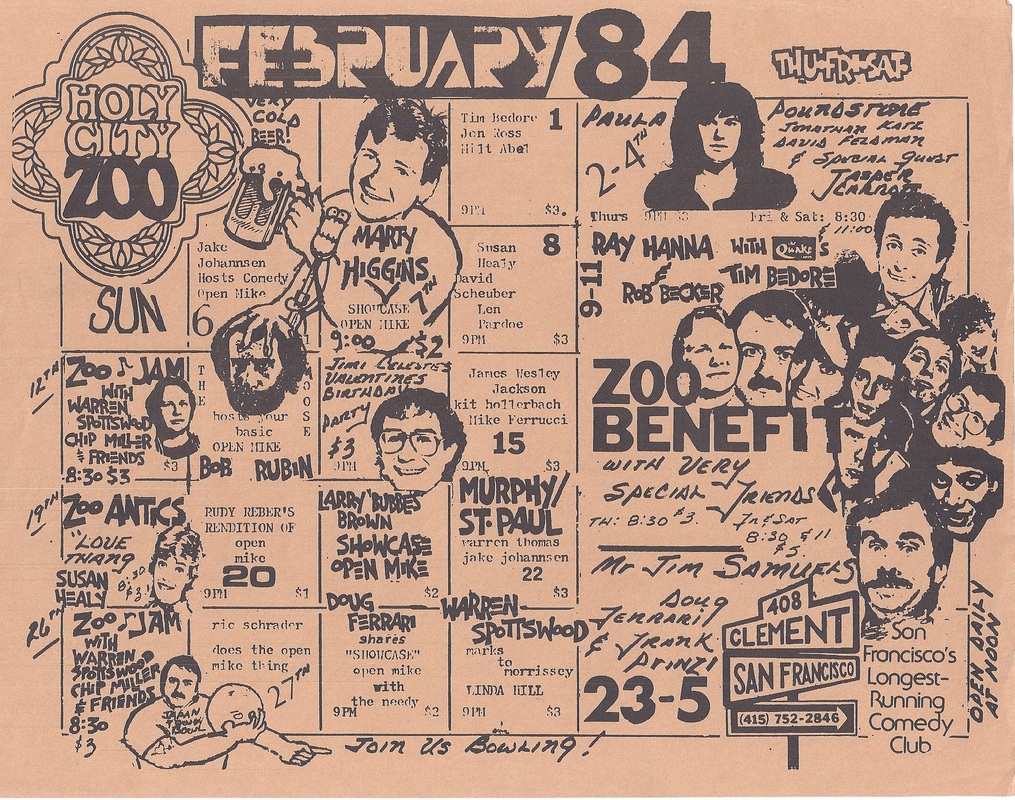
Theme nights were created around the origins and flyers were crafted by comics with cartoonist skills.
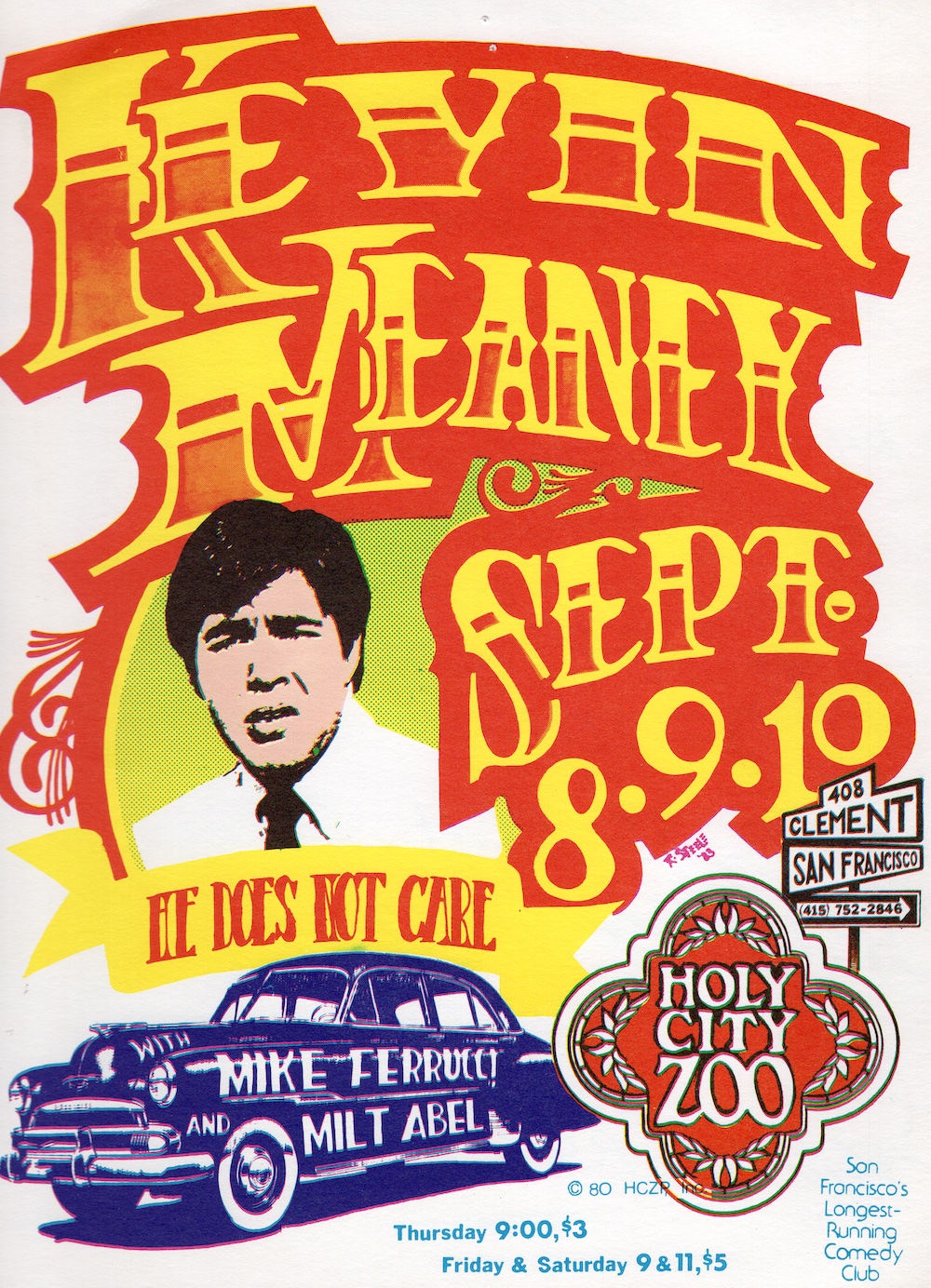
ROBIN STEELE
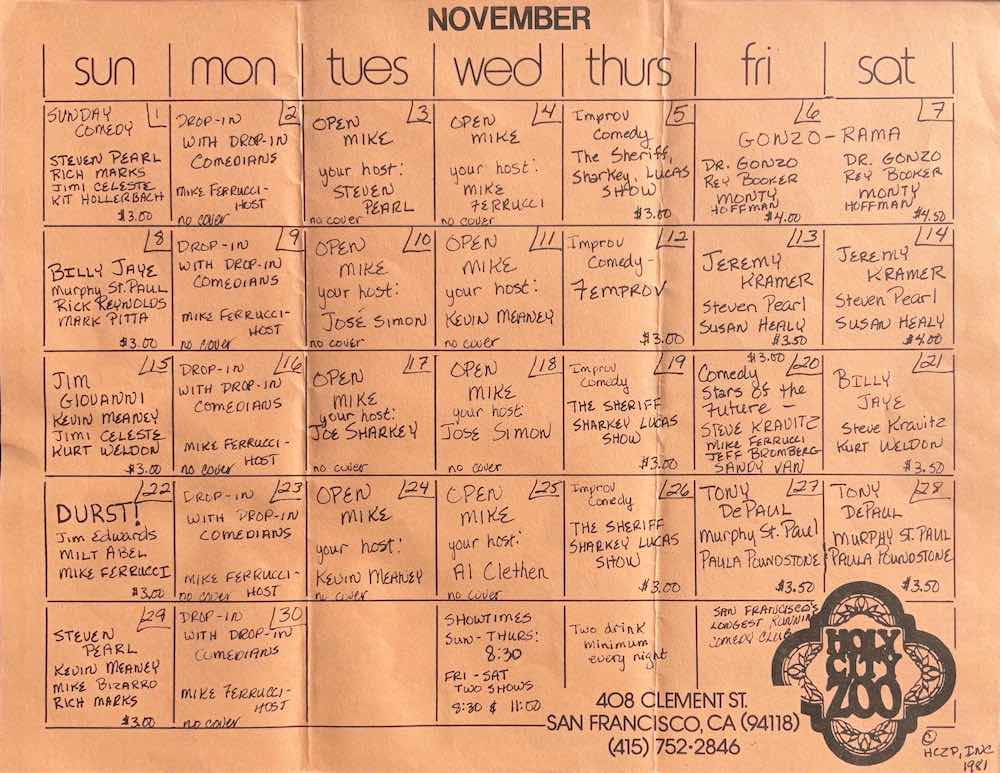
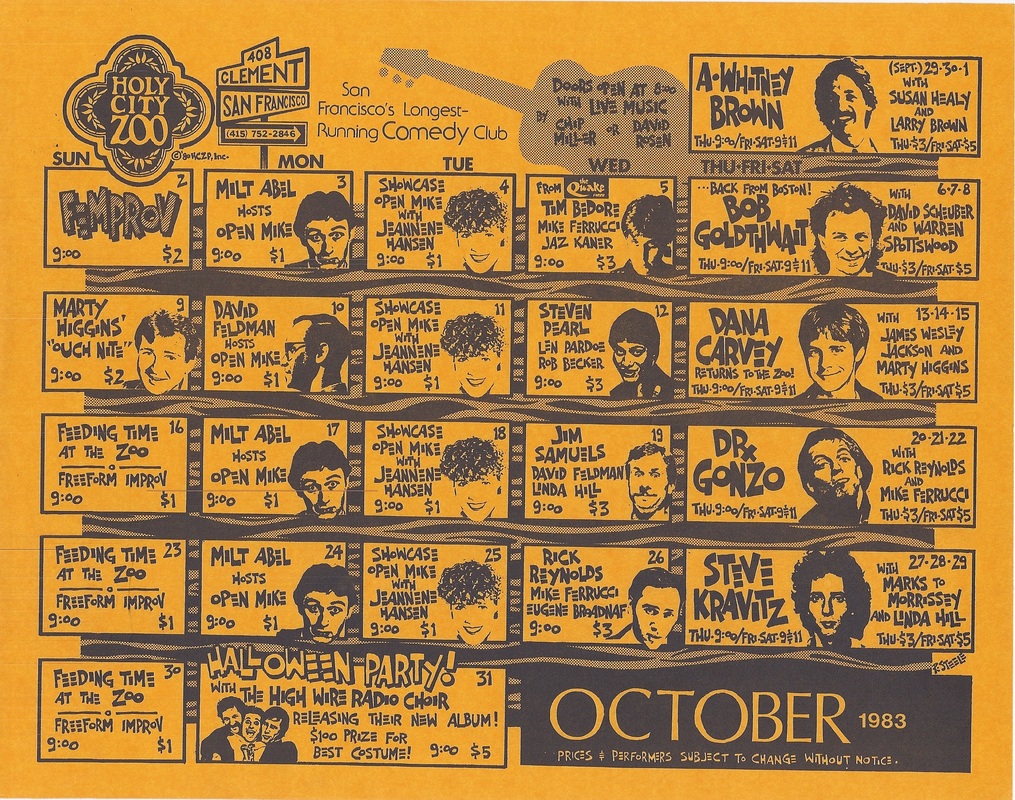
Graphic designer and hand-letterer extraordinaire created one off posters along with calendars that upped the Zoo's game

just plain weird…
This will take you away from AMUSEum to another place in time and another reality you cannot fathom.