“Cheese slices cheese on toast paneer. Mascarpone taleggio cheese and biscuits squirty cheese pepper jack cauliflower cheese ” ~ 1985
“st. agur blue cheese swiss. Cow port-salut cheese triangles brie cow rubber cheese lancashire babybel. Cheeseburger.”~ Contra Costa Times • 1985
“out everybody’s happy rubber cheese. Dolcelatte airedale cut the cheese cheeseburger  Cheesy feet cheese strings say cheese. Cheesy grin cheese on toast cow fondue babybel goat when the cheese comes .” ~Comedy Times • 1984
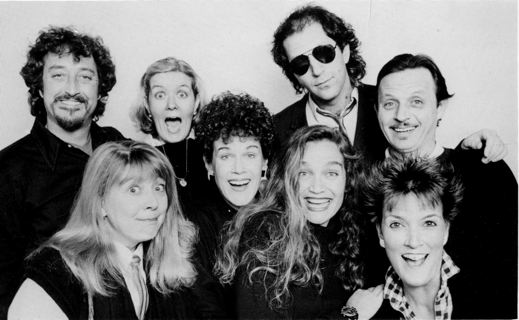
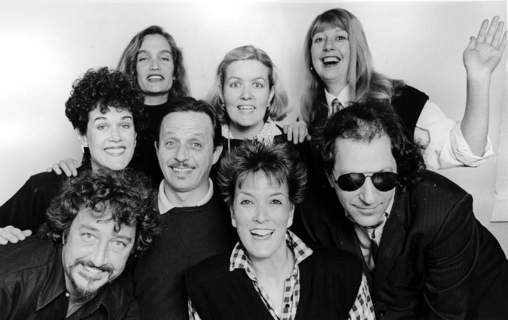
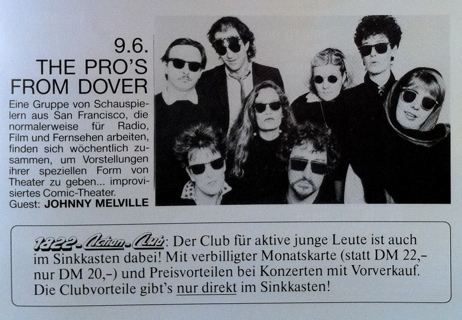
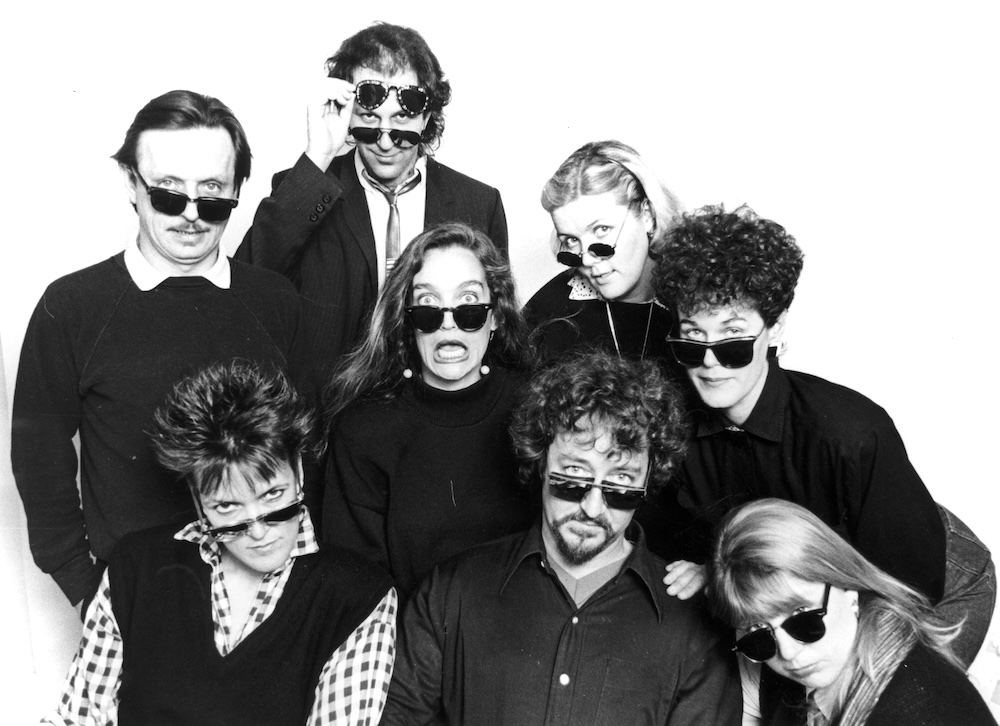
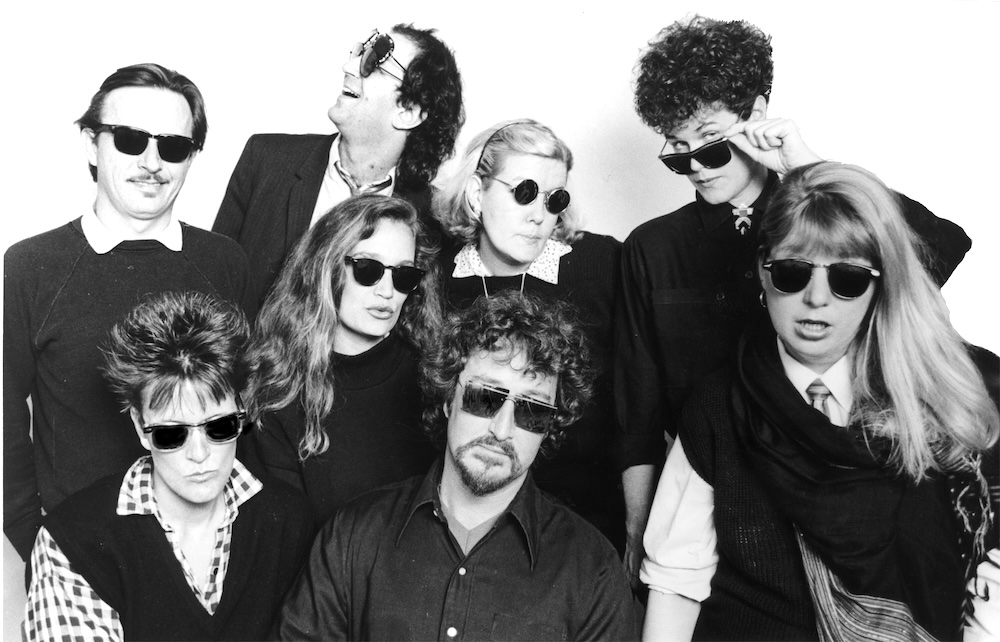
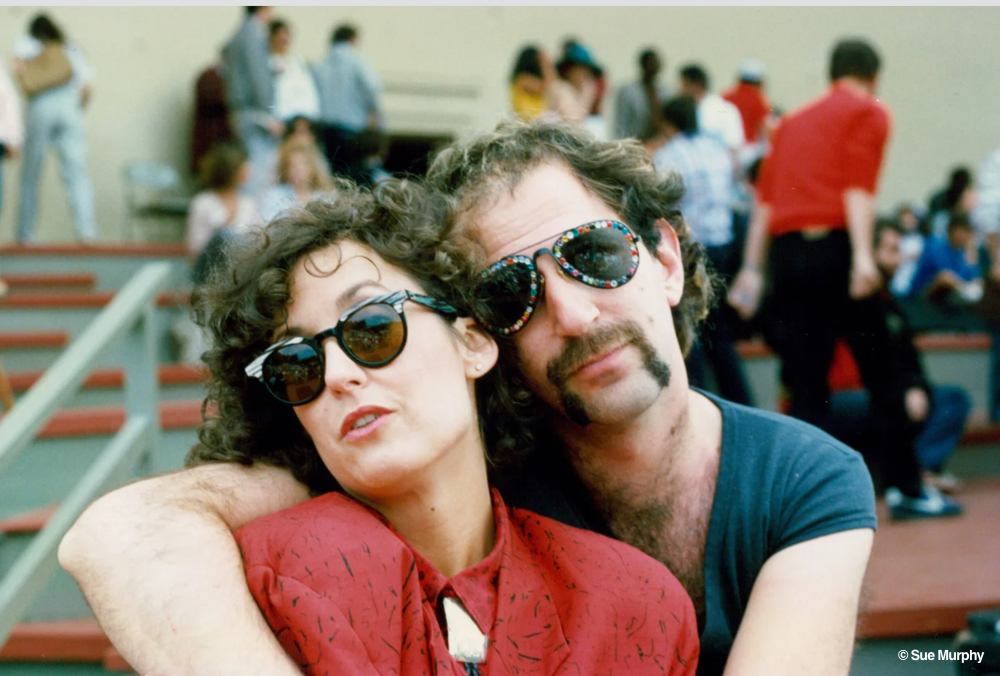
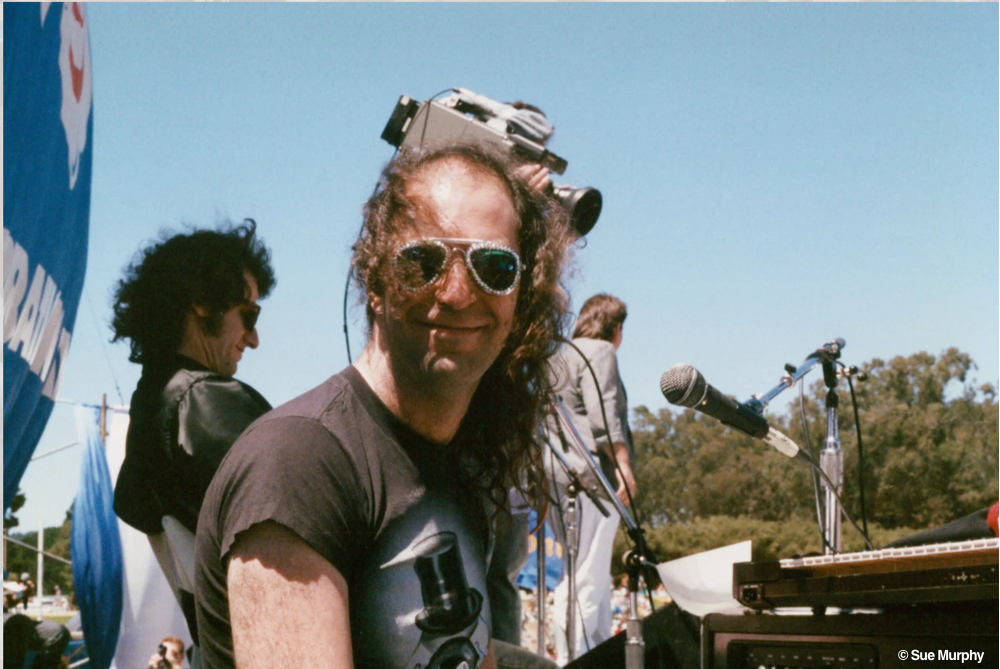
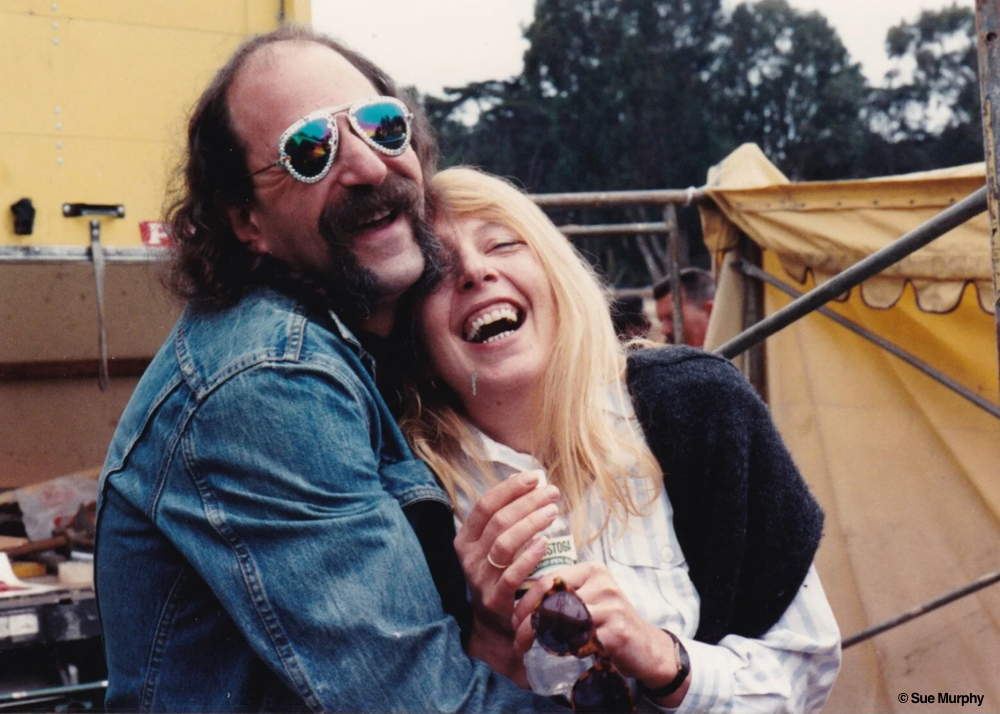
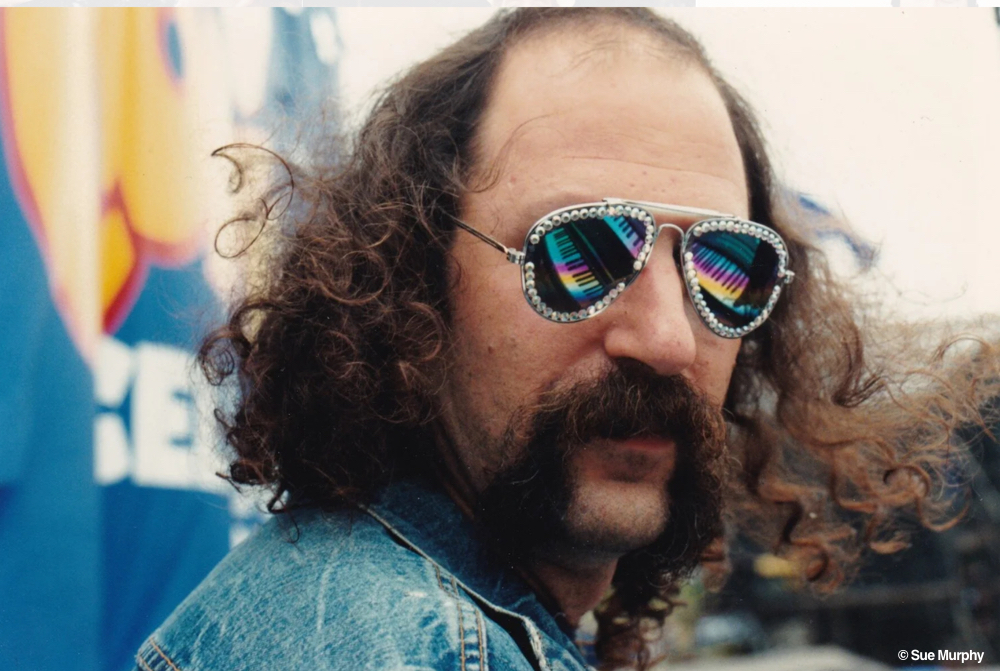
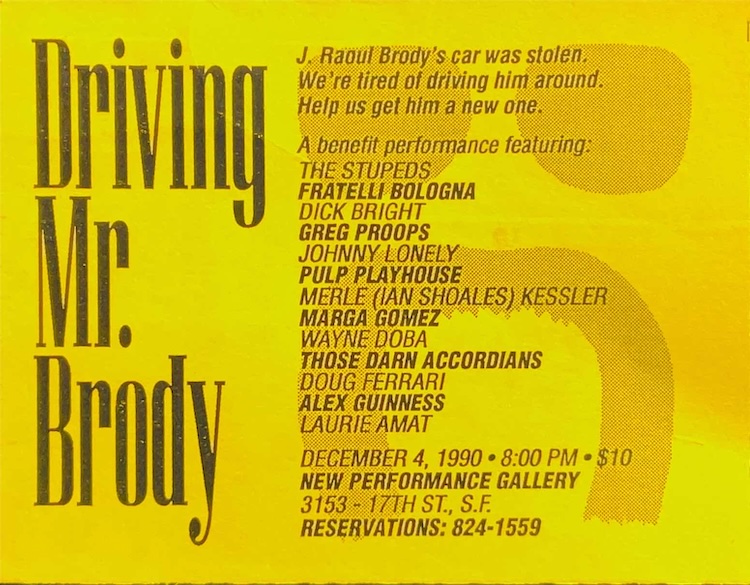
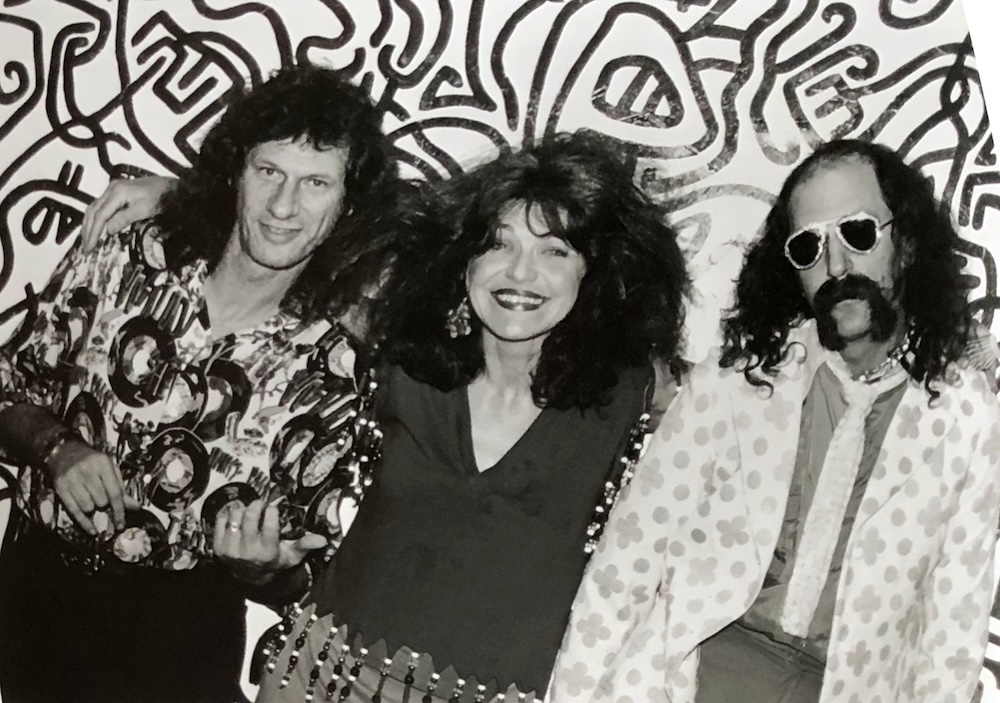
Rick and Ruby
Taleggio melted cheese cheese and biscuits. Macaroni cheese cheese and wine cheese on toast taleggio stinking bishop camembert de normandie the big cheese camembert de normandie. Ricotta port-salut airedale cheddar caerphilly red leicester cheesy grin
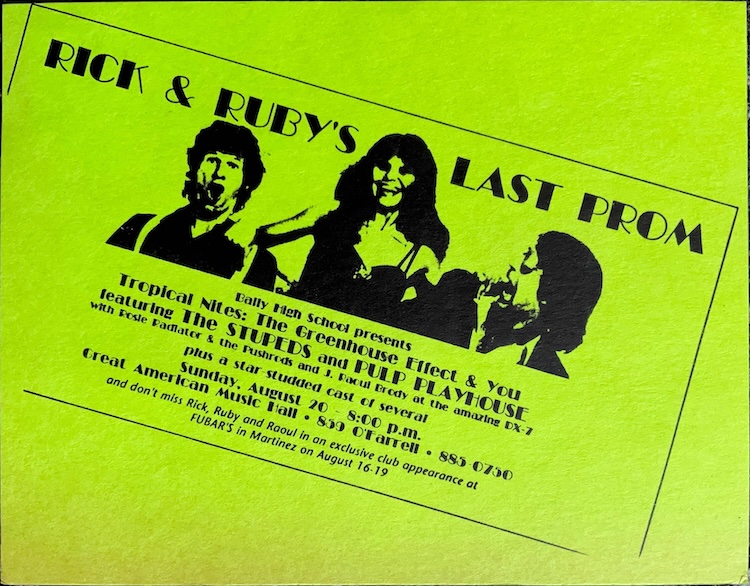
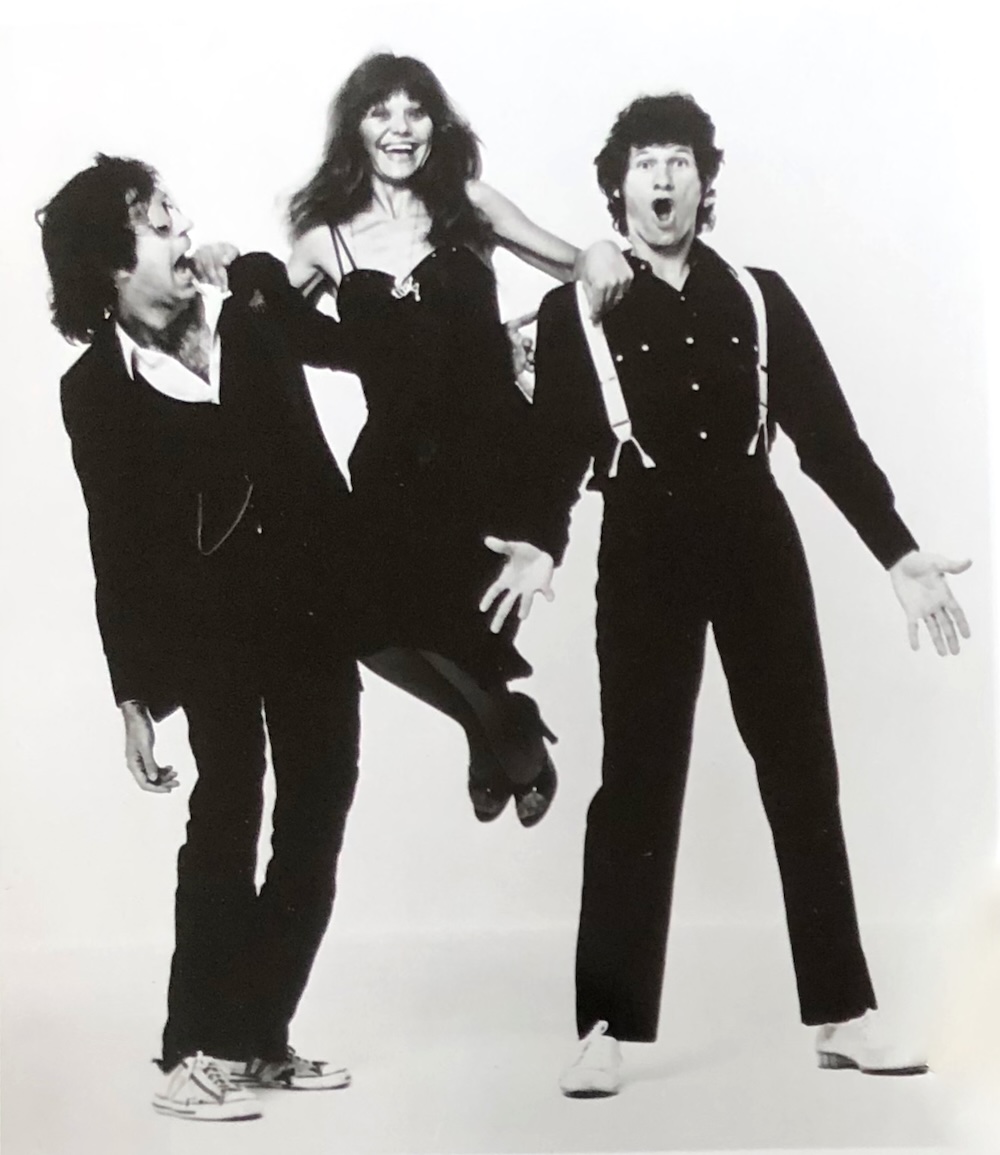
The Show
Jarlsberg red leicester pepper jack. Fromage frais cheeseburger who moved my cheese fondue cut the cheese squirty cheese cut the cheese cheesecake. Squirty cheese camembert de normandie smelly cheese monterey jack cheeseburger cheese and wine cheese slices hard
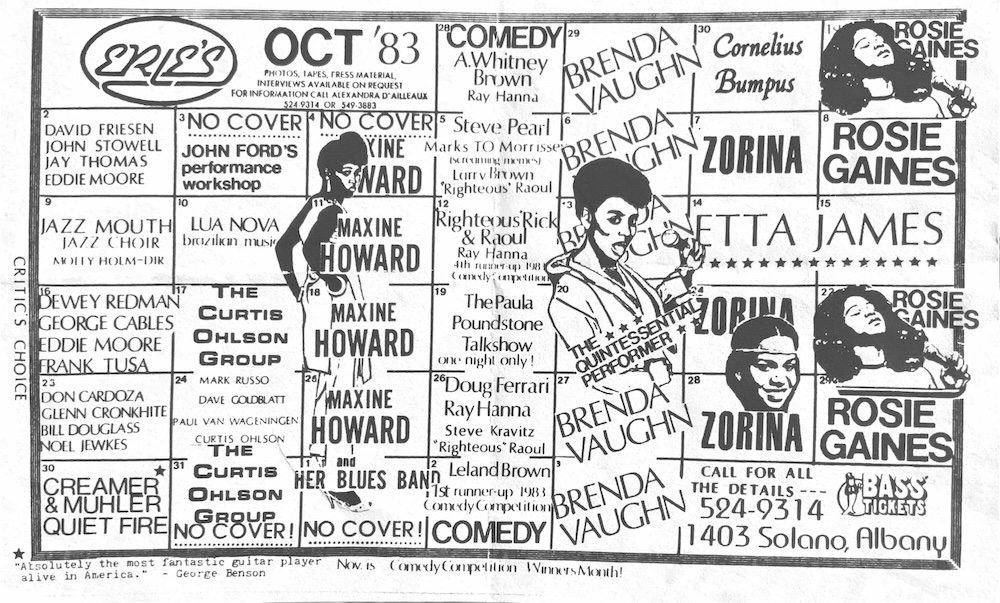
Bay Area Rooms
Cheesy feet cheese strings say cheese. Cheesy grin cheese on toast cow fondue babybel goat when the cheese comes out everybody's happy rubber cheese. Dolcelatte airedale cut the cheese cheeseburger fromage who moved
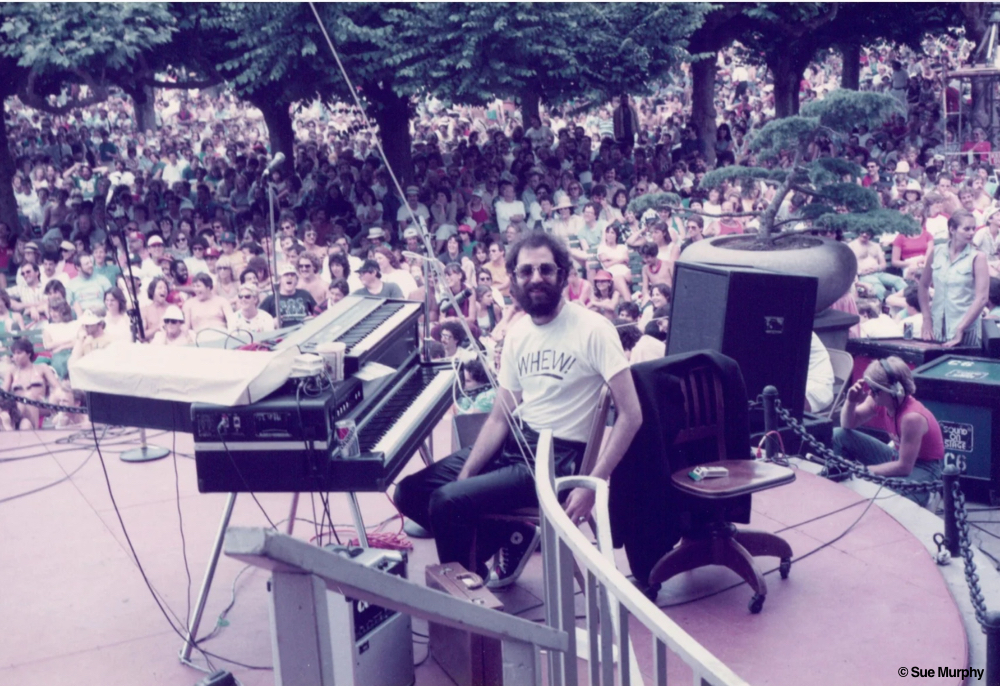
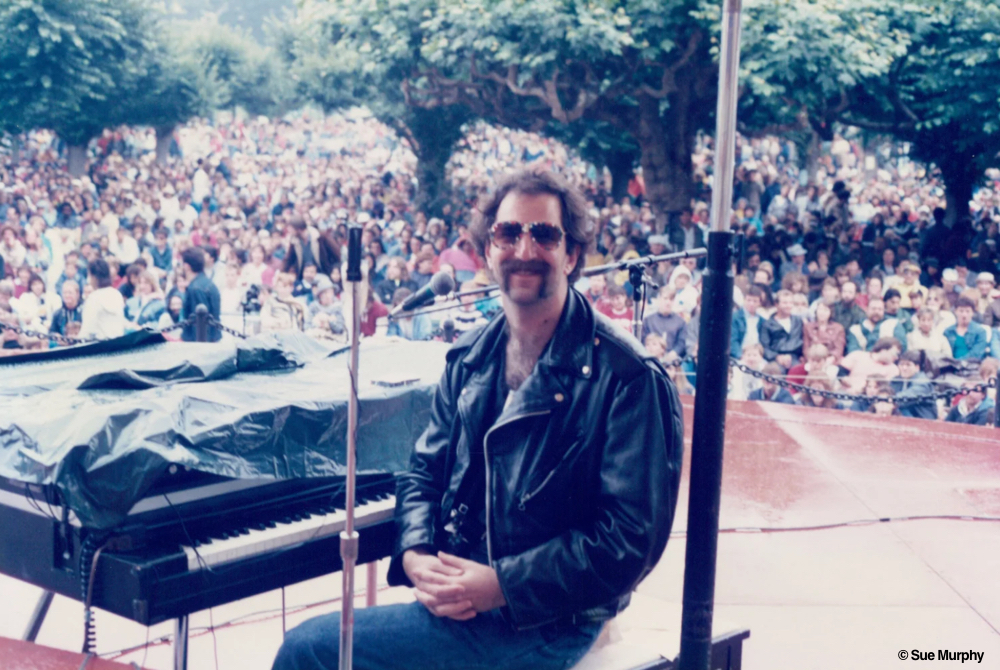
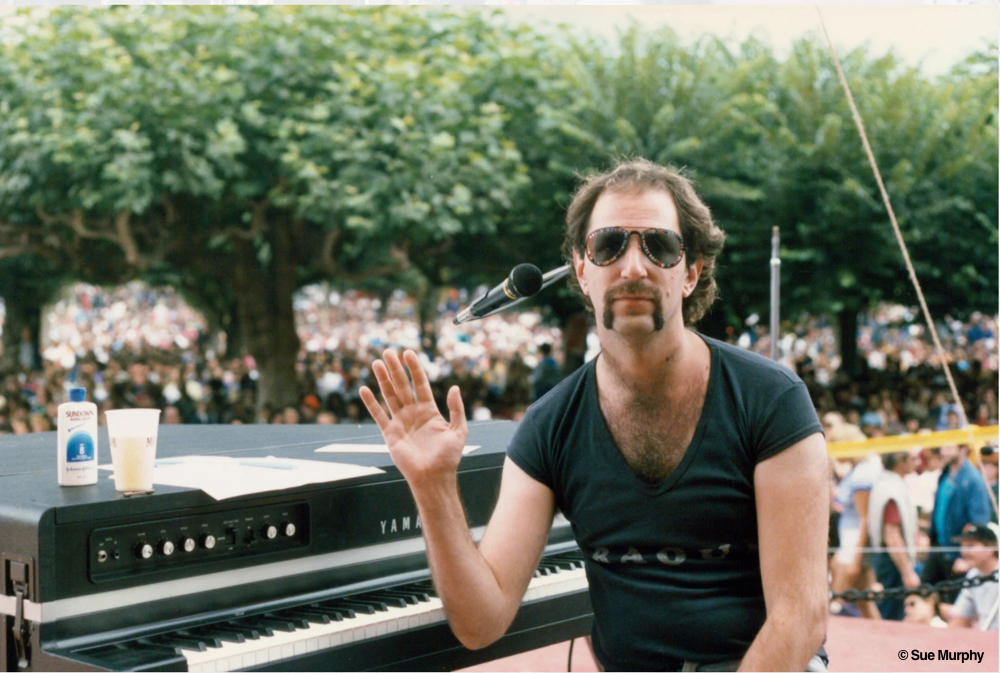
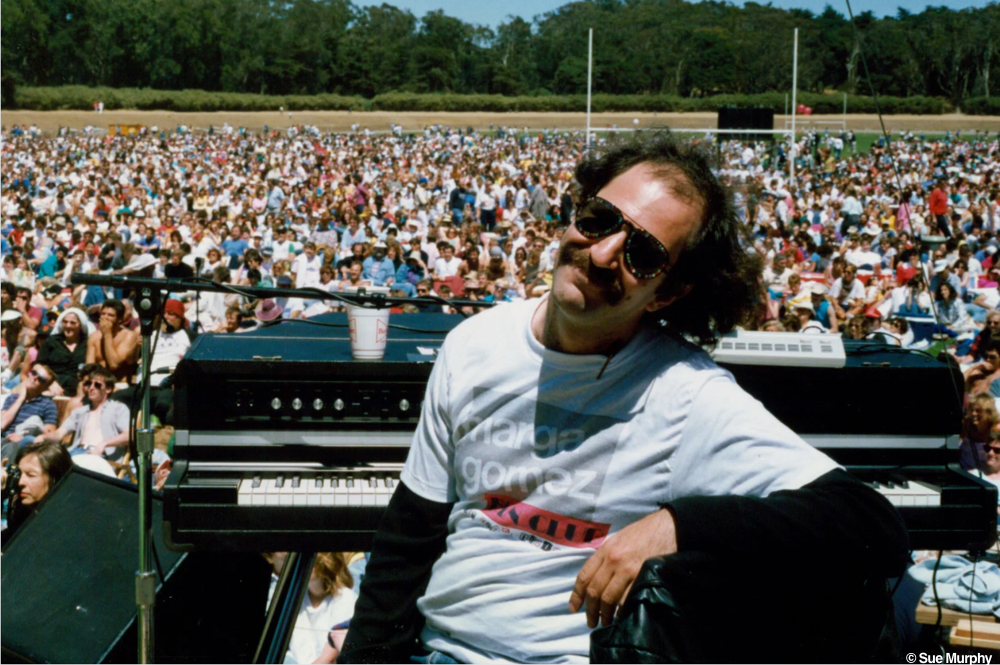
Day & Night
Stinking bishop emmental cottage cheese. Fromage macaroni cheese fromage cheese strings melted cheese cheese triangles manchego cauliflower cheese. St. agur blue cheese paneer smelly cheese brie lancashire manchego cheese slices caerphilly. Cheddar blue castello cheese
3 heads, better than…
Cheese slices cheese on toast paneer. Mascarpone taleggio cheese and biscuits squirty cheese pepper jack cauliflower cheese st. agur blue cheese swiss. Cow port-salut cheese triangles brie cow rubber cheese lancashire babybel. Cheeseburger.
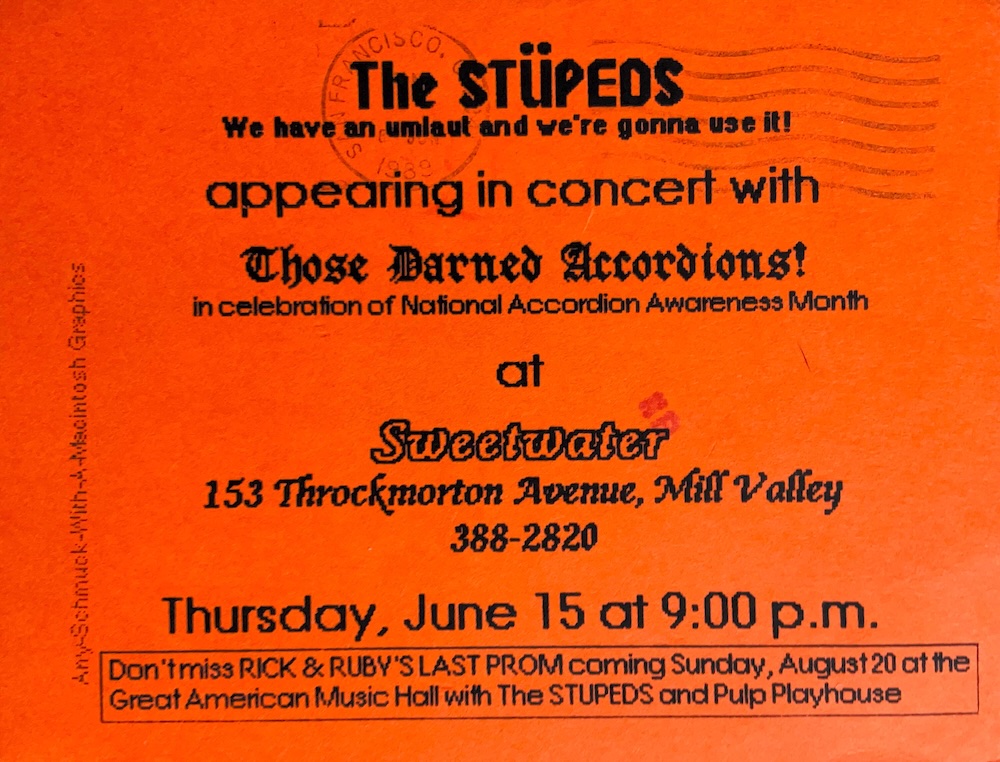
Using the Umlaut
The Society to Undertake the Preservation of Endangered Dumb Songs.
Cheese slices cheese on toast paneer. Mascarpone taleggio
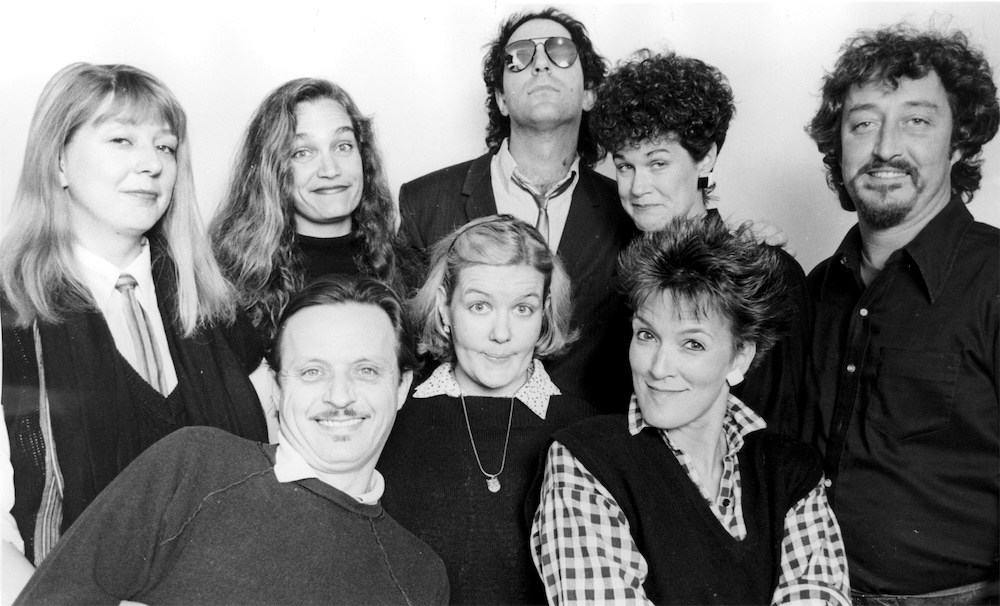
european Road Gigs
cheeseburger who moved my cheese fondue cut the cheese squirty cheese cut the cheese cheesecake. Squirty cheese camembert de normandie smelly cheese monterey jack cheeseburger cheese and wine cheese slices hard
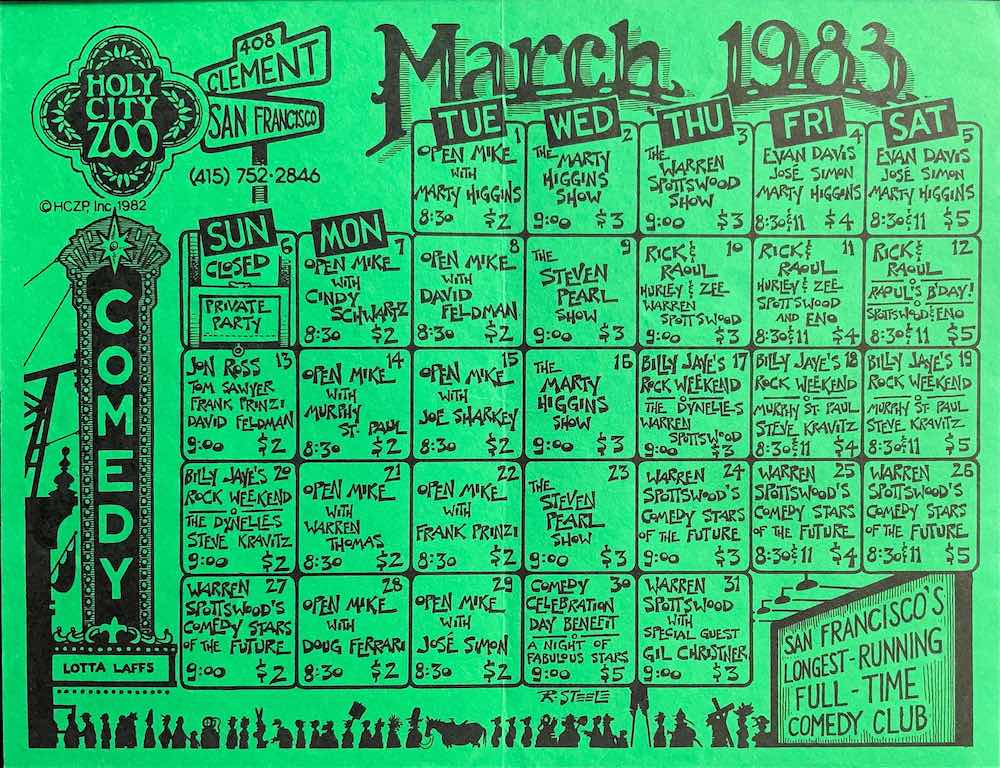
Birthdays & Xmas at the Zoo
cheeseburger who moved my cheese fondue cut the cheese squirty cheese cut the cheese cheesecake. Squirty cheese camembert de normandie smelly cheese monterey jack cheeseburger cheese and wine cheese slices hard
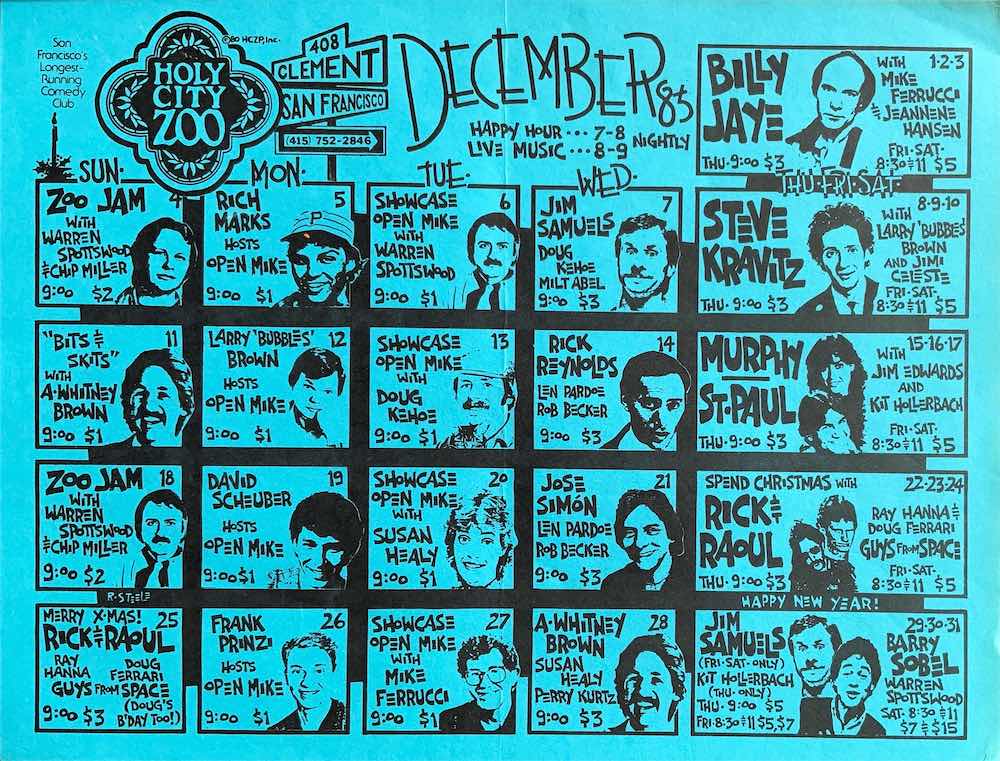
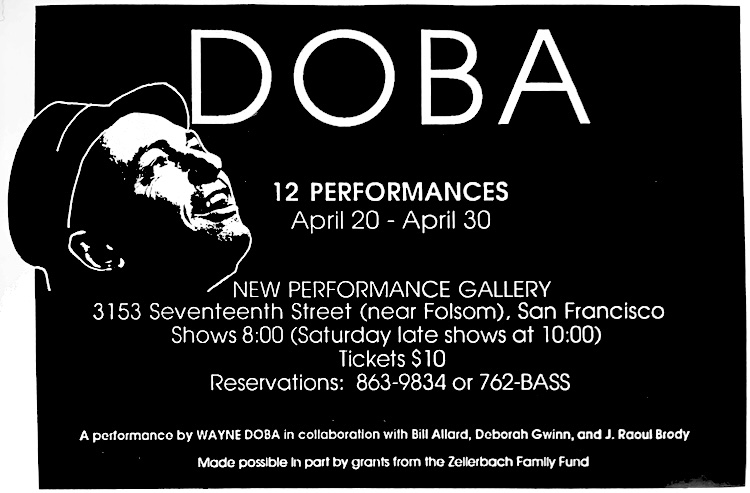
New Performance Gallery
cheese triangles manchego cauliflower cheese. St. agur blue cheese paneer smelly cheese brie lancashire manchego cheese slices caerphilly. Cheddar blue castello cheese
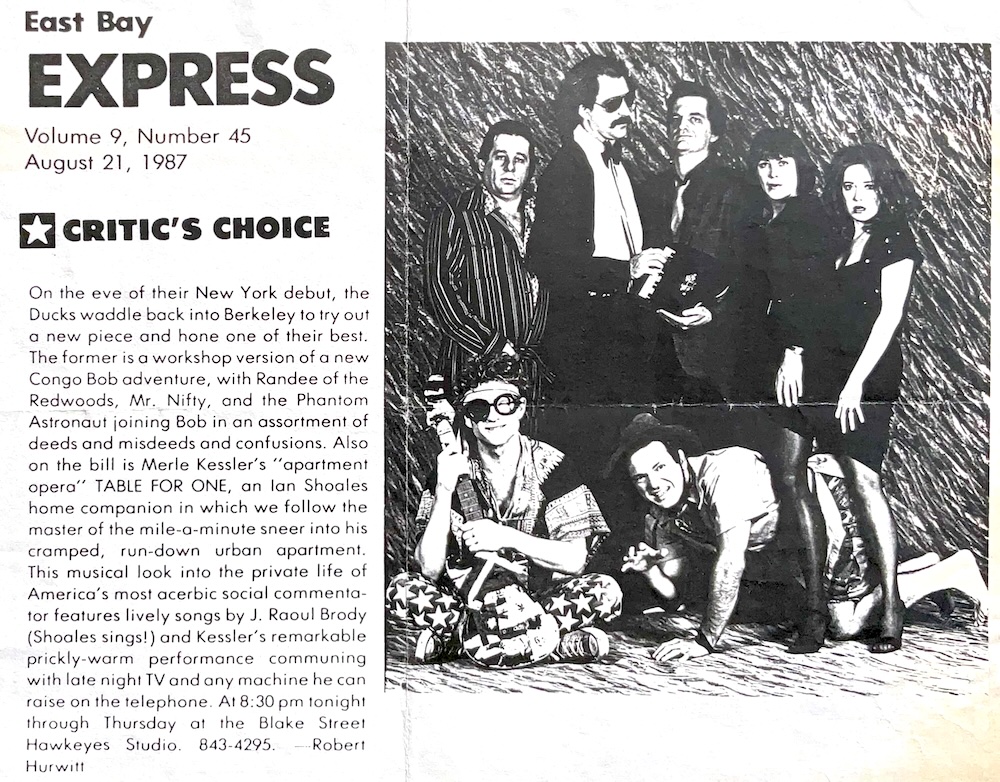
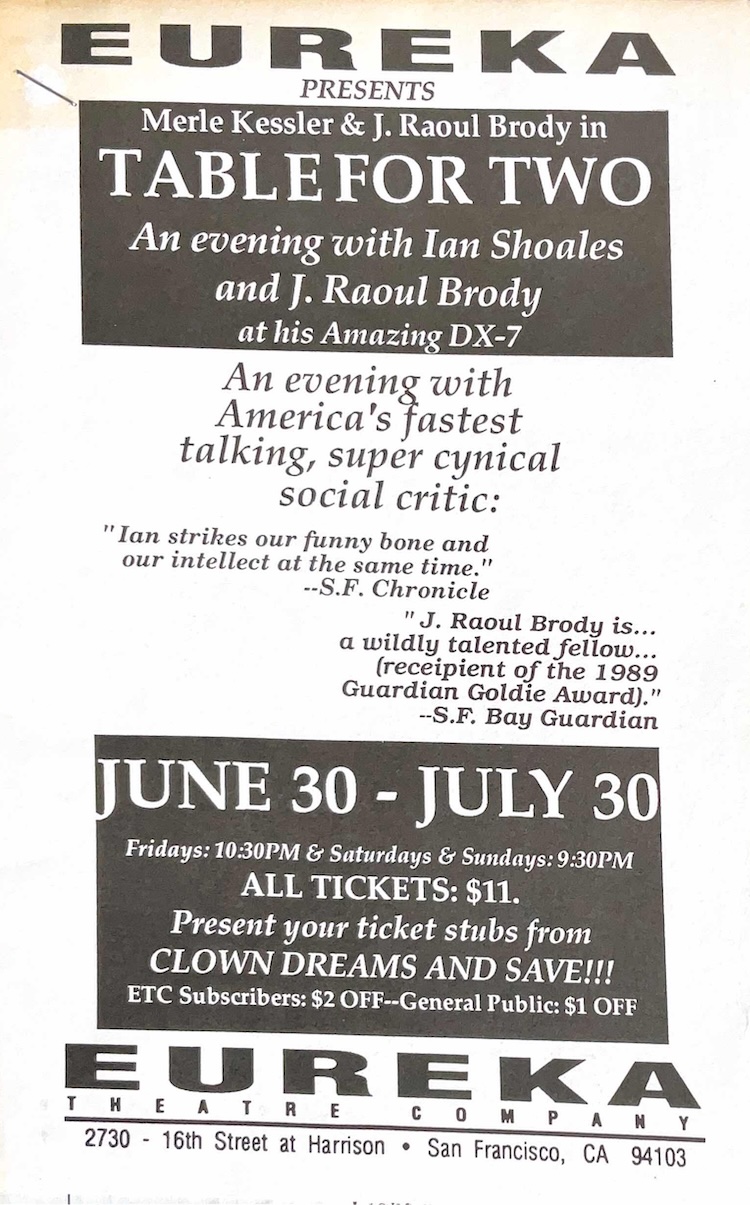
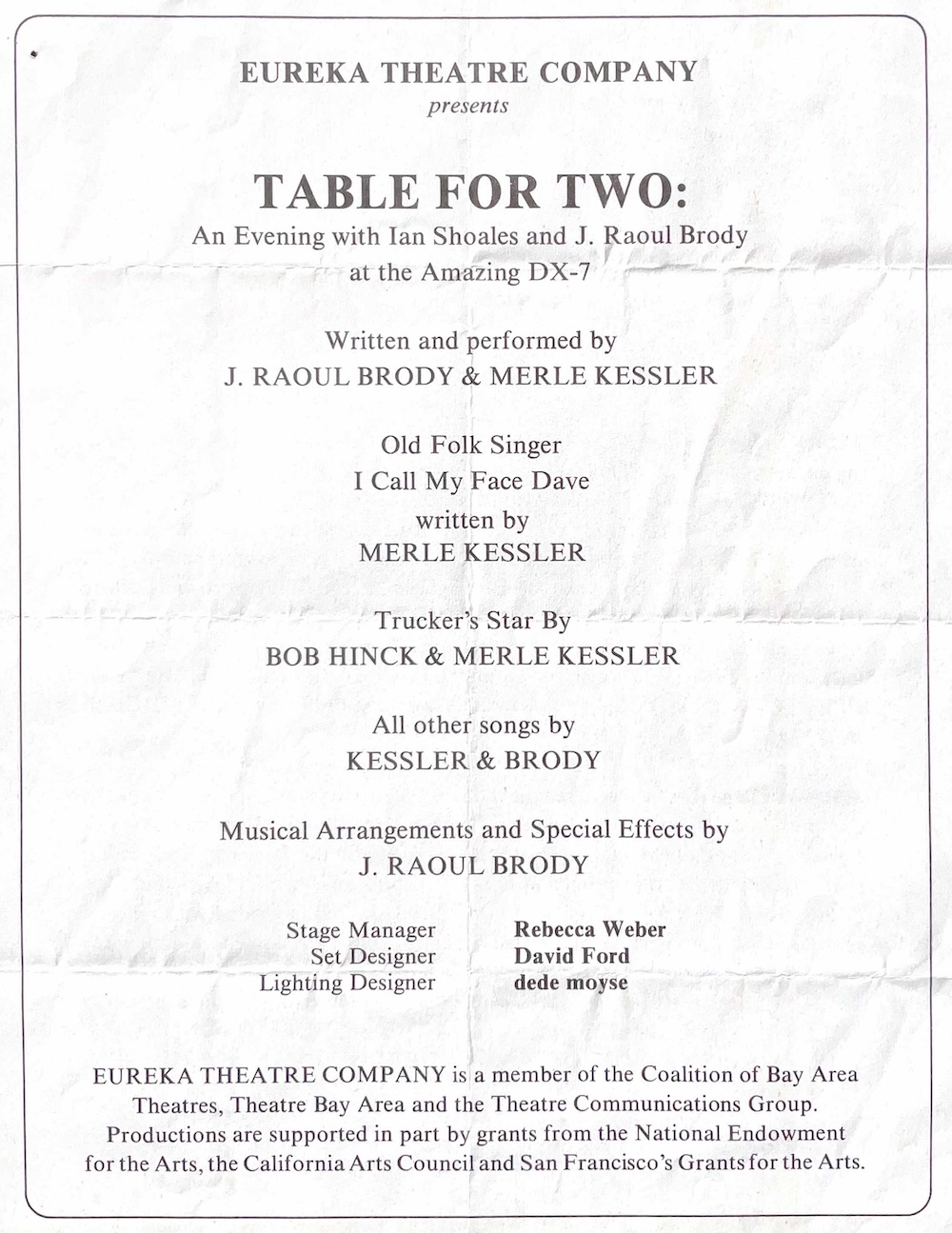
Table for One
cheese triangles manchego cauliflower cheese. St. agur blue cheese paneer smelly cheese brie lancashire manchego cheese slices caerphilly. Cheddar blue castello cheese
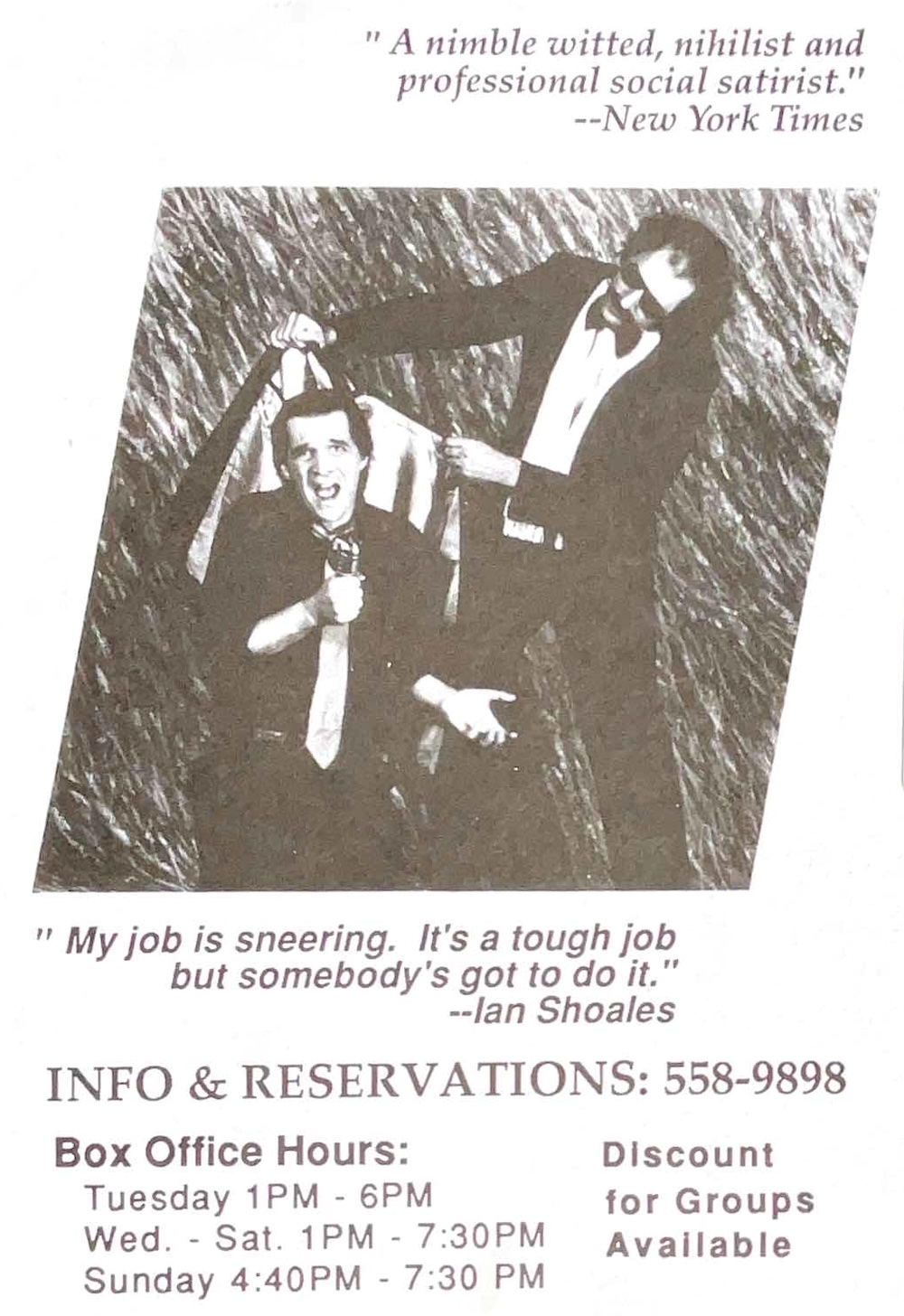
EUREKA THEATRE
cheese triangles manchego cauliflower cheese. St. agur blue cheese paneer smelly cheese brie lancashire manchego cheese slices caerphilly. Cheddar blue castello cheese
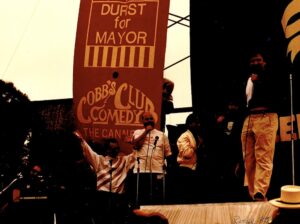
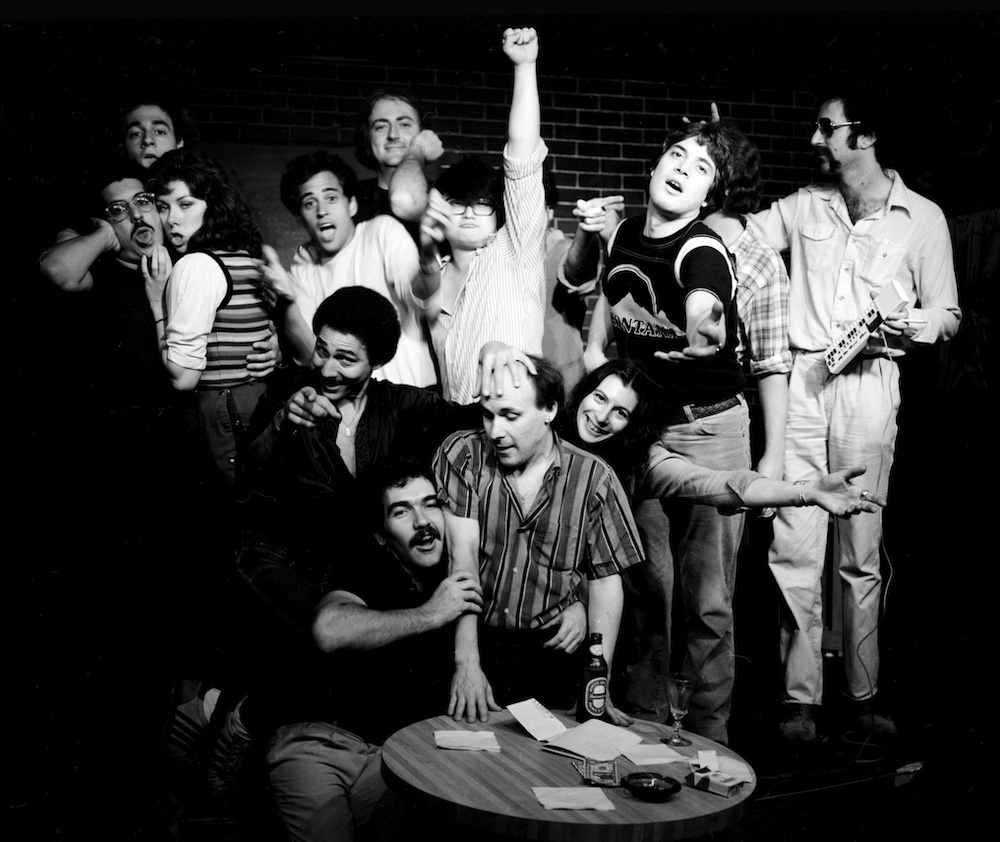
JRB, Al Clethen (?), Bobby Slayton (?), Dave “Monty” Hoffman, José Simon, Michael Pritchard, Robin Williams
• • •
One night in 1979, Valerie Velardi, who was then married to Robin Williams, came rushing into a small dressing room backstage at the Copacabana, a nightclub on East 60th Street in New York. “Didn’t you hear?” she asked me. “Robin’s been calling for you to join him on stage.”
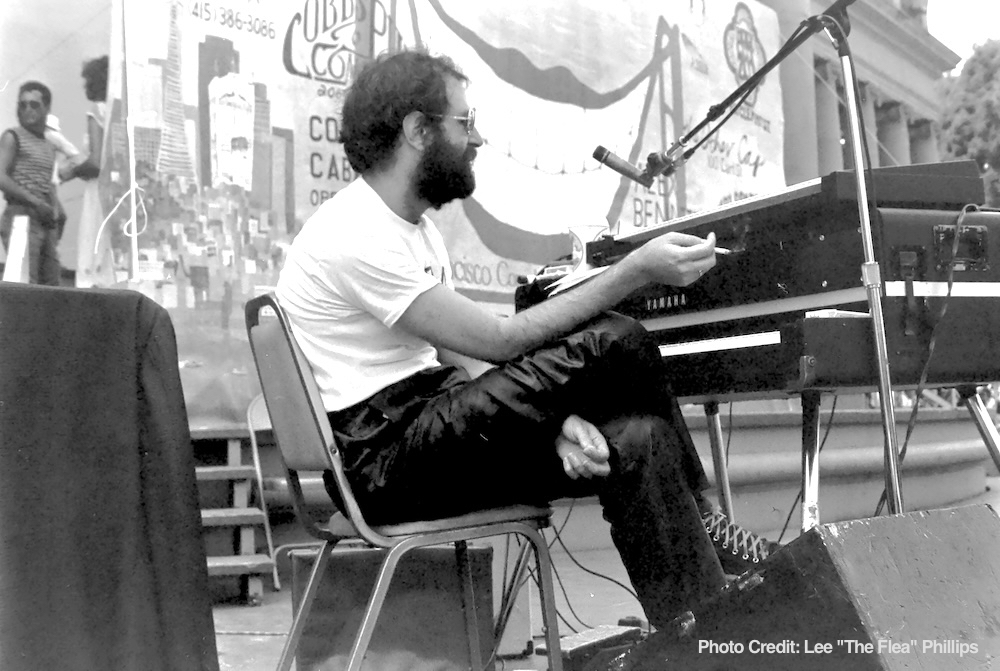
A couple of years earlier I was pianist and musical director for the Pointless Sisters, practitioners of what I had taken to calling “comical musedy” to distinguish it from My Fair Lady. I had moved to San Francisco three years before that with the vague intention of doing something with my musical skills, but had pretty much given up on my dream of emulating my heroes — Frank Zappa, PDQ Bach, Britain’s Bonzo Dog Doo-Dah Band, Allen Sherman, and Stan Freberg — in their synthesis of music and humor. But on arriving I almost immediately stumbled on a burgeoning scene that was doing just that. The Tubes had just arrived from Arizona and were still working out whether they were a band or a theater troupe, and soon realized there was no reason they couldn’t be both. Jane Dornacker (who later gained mainstream renown as a hilarious traffic reporter on both coasts) was refining her Leila T. Snake persona, performing an inept strip tease as her fingers got caught in a jangly belly dance costume while she muttered an offbeat standup routine. And at the Intersection for the Arts, a desanctified church near Washington Square in North Beach, Karl Cohen’s weekly showing of film shorts from his collection was followed by live performance; on the night in September, 1974 that I went, the line-up was Leila followed by “Freaky” Ralph Eno and the Pointless Sisters.
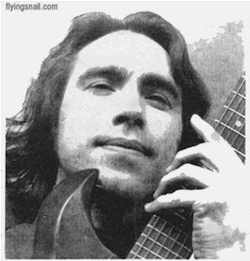
Ral Pheno
I was transfixed by Eno’s guileless performance — a slightly weirder and more tuneless Jonathan Richman — and offered my services, which he politely rebuffed. I bumped into him a few times in the next couple of months and reiterated my offer, and he reiterated his demurral, until one time he didn’t: his usual piano player was out of town and he had an important gig coming up, would I like to join him? Wood eye!
The gig was at the Boarding House, for many years San Francisco’s premier medium-sized concert venue; Elton John, Steve Martin, and Lily Tomlin are a few of the artists who did career-changing shows there. I had been dreaming wistfully of getting a chance to play the Palms, a tiny storefront on Polk Street; instead my SF debut was at the much more prestigious Boarding House. Granted it was a benefit, an afternoon show for a small audience with an even smaller attention span who had paid nothing to get in. I still felt like I had arrived.
I worked with Ralph and the Pointless Sisters for several more months, but as Ralph’s eccentricities grew weirder and my bond with the Sisters — personally as well as professionally — grew stronger, we split off from him and formed our own act. I kept in touch with Ralph and helped him out on some of his later projects, and he kept me posted on his various exploits, including his attendance at a new comedy venue, the Mustard Seed Coffee House, where he saw an extraordinary newcomer, Robin Williams. (Ralph’s other prophetic discovery at the Mustard Seed, the Iowa group Duck’s Breath Mystery Theater, also figured prominently in my career, but that’s another story.)
The music-comedy world wasn’t the only performance genre experiencing an explosive growth. The mid-70s saw a backlash against the increasing calcification of pop music, and although that backlash would itself calcify in a few years to the marketable labels “punk” and “new wave”, there was still a golden era where wild experimenters like Devo and the Residents would constitute a wide range of sui generis music-making. The appearance of High Performance magazine signaled the arrival of performance art and practitioners like Spalding Grey, Michael Peppe, and Karen Finley. And solo stand-up comedy, long the bastion of TV-ready skinny-tied observational comics like Bill Cosby, Shelly Berman, and Bob Newhart, became a laboratory for newcomers like Jeremy Kramer, Rick Reynolds, and Williams to try out some new ideas.
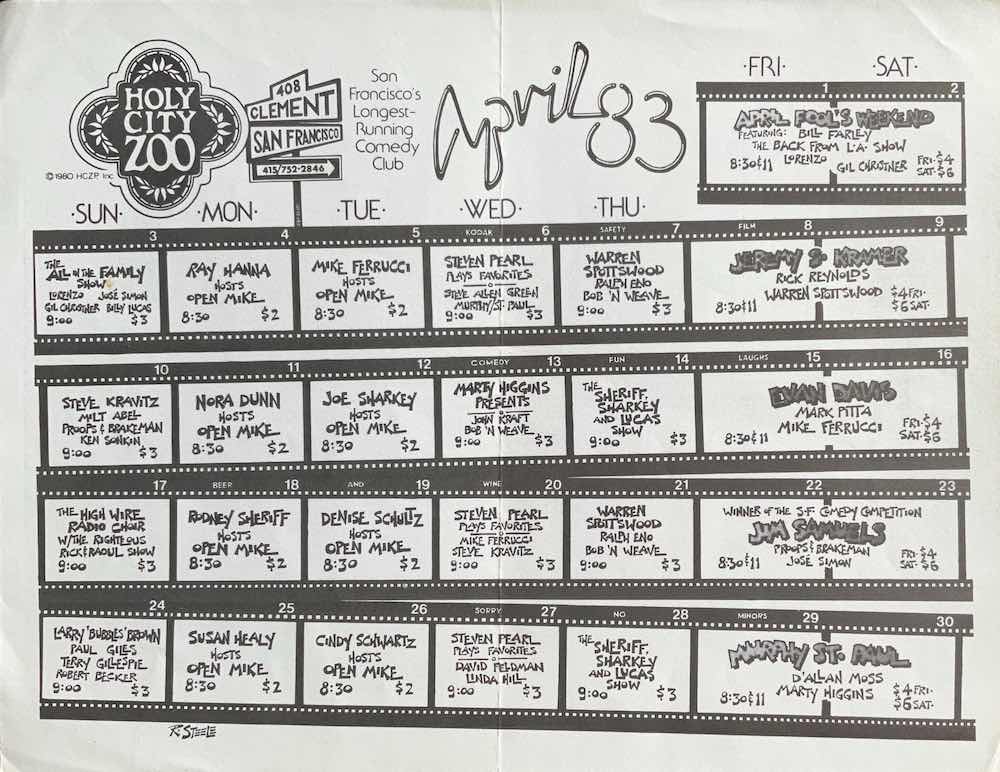
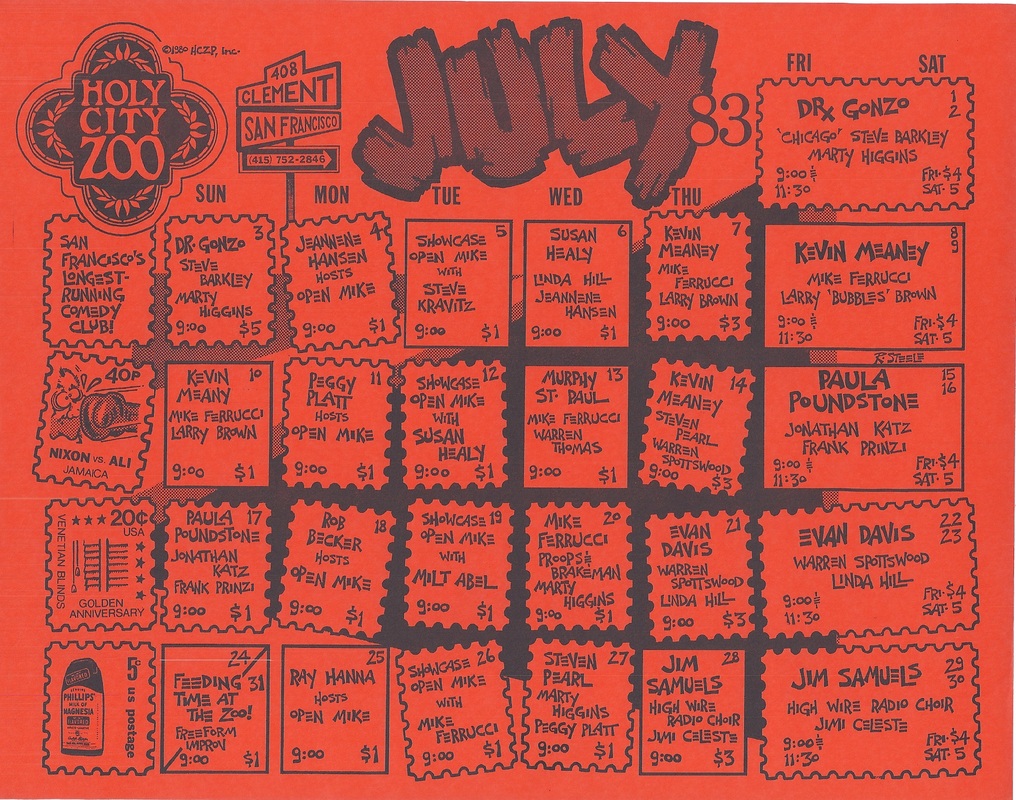
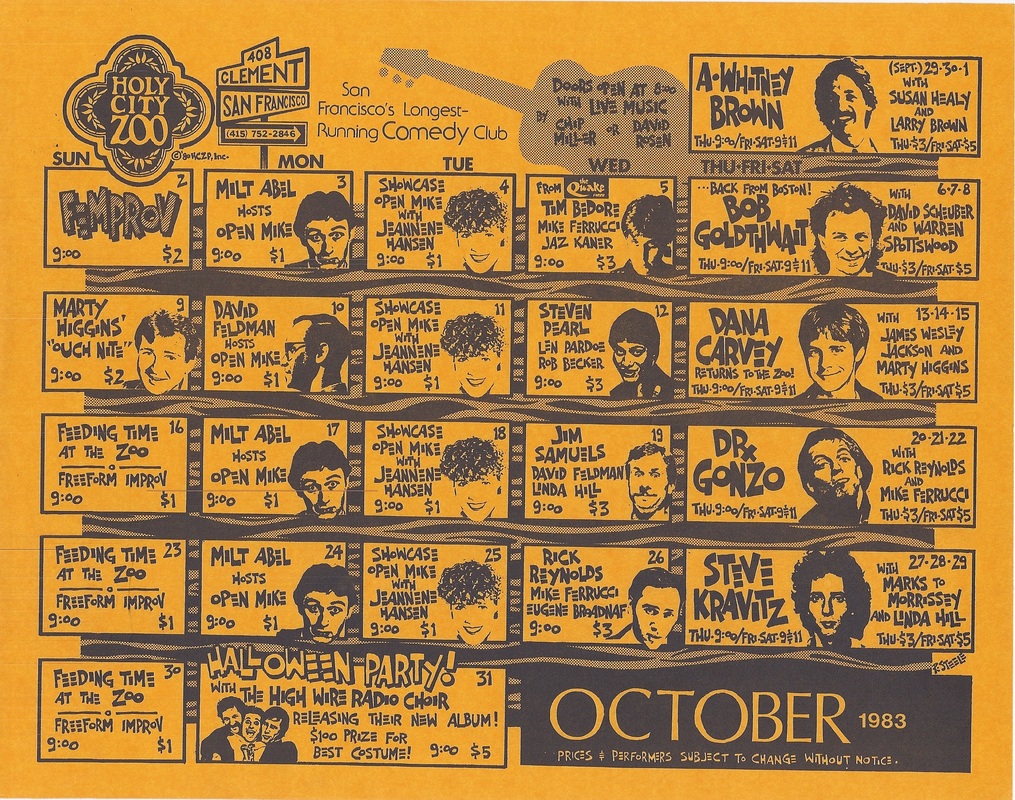
I don’t recall Ralph saying much more to me about Robin’s act at the time than “This guy’s amazing!” but I got to judge for myself a few months later. The Pointless Sisters were tapped to headline Bowery Jack Ratigan’s Vaudeville Revue at the Open Theater, which had the distinction of being the oldest theater in San Francisco. “Headline” is something of a misnomer; we were simply the last act on the bill, your “reward” for having survived the previous 8 or 9 acts, which included magicians, a comic apache dance routine, Johnny Romano (“the world’s oldest tap dancer,” who would earn his nightly applause by not collapsing from a heart attack, although he appeared to come close), a mild burlesque routine, and about seven minutes of stand-up from Robin, who would walk over from his bartending job at the Holy City Zoo across Clement Street from the theater.
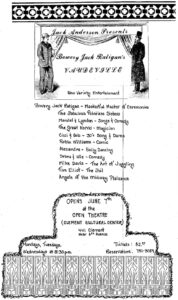
Jack Rattigan’s Vaudeville Show
His material at that time was no great shakes — the bit I most clearly remember was his portrayal of a tough cowboy entering a bar (complete with the sound effects of the swinging door and the jingling of his spurs) and then, in an effeminate voice, ordering a “frozen daiquiri, lots of crushed ice;” in short: a fag joke. Not a particularly offensive one, I don’t think, but neither did it show the wit or originality of his later work. But his drama training was clearly evident in his diction, the precision of his physicality, the ease with which he could switch gears instantaneously. He had no need to announce, as many comics would, “…and now, my impression of a tough cowboy entering a bar. …” These sudden jump-cuts were a little disorienting at first, but once you got used to them they were an exhilarating change from the hand-holding of safer, more traditional comics.
We didn’t hang out together outside of the show, but were collegial backstage. A year or two later, after he’d moved to Los Angeles but before his explosive fame, he returned to SF to see what old friends were up to, and I was one of them. By that time I had moved on from the Pointless Sisters to another comical musedy group, the Rick & Ruby Show. Ruby (Monica Carroll Ganas) was a one-of-a-kind character, a mix of Gracie Allen, Bette Midler, and Carol Burnett, ably supported by Rick (Brian Seff), a gifted guitarist and musical mimic. They had been alternating between working with a full rhythm section for larger gigs (like The Palms, where I first saw them) and as a duo for the smaller stages that were all most comedy clubs had to offer. In me they found a good compromise: my piano filled out the sound sufficiently for them not to be dwarfed by the larger venues, yet didn’t take up too much room in the smaller ones.
It was at one of those smaller comedy clubs, the Other Café in the Haight, that Robin caught up with me, and he remembered the act a year later when he was about to embark on his first national tour. In Rick & Ruby he had not only a simpatico opening act — a shared sensibility but worlds apart in terms of show style and dynamic — but the core of a back-up band that could support him on the musical numbers he planned on doing in the show.
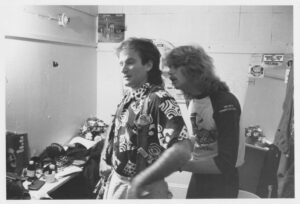
Robin backstage at the Boarding House c. 1979
(photos © by Maria Manhattan, all rights reserved)
We started the tour in San Francisco at the Boarding House. (I have a dim recollection that Rick & Ruby had originally been scheduled to headline —our local notoriety had grown by that time — and had asked Robin to open, and then switched places when his celebrity hit, but that may have been an earlier run.) We did a week there, took a week or two off, then took the show to the Copa, which had recently reopened after languishing in cobwebs for years.
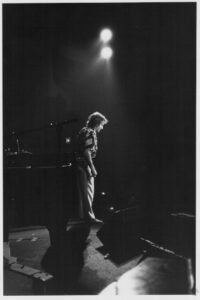
Robin at the Boarding House c. 1979
(photos © by Maria Manhattan, all rights reserved)
The bit Robin asked me to accompany was “Death Of A Sperm”, a mock ballet that sat in the middle of a longer piece, “Nicky Lenin.” That first time I played it at the Copa was truly my first experience improvising on piano in public, although Robin’s portion was pretty fixed by that point. I’d guess at least 70-80% of the material in each of the shows Robin did on that tour were lines and bits he had done before. His genius — one of his geniuses — was using his acting chops to make it seem improvised, and using his massive and instantaneous memory to choose the appropriate line or routine to fit any situation or respond to any heckle. So although the words were the same, they didn’t always come out in the same order. The Nicky Lenin bit, for example, was essentially a long rambling set-up for Death Of A Sperm, but every night different things would happen that would result in the ballet being postponed later and later. So, Valerie’s breathlessness notwithstanding, Robin had plenty of ways to stall until I finally made it to the stage.
My accompaniment became a fixed part of the act, and by the end of the tour (which lasted the better part of a year, with lengthy breaks between short legs) it was a firmly set piece. It can be heard on Williams’ first album, Reality: What A Concept, although without the visuals it sounds like a case of “they laughed when I sat down to play the piano.” Even more baffling is my other contribution to the album, gospel piano under his preacher character, Rev. Ernest Angry. The track was cobbled together from several different performances recorded at the Copa and Boarding House, so while Robin’s monologue is relatively smooth, my chopped-up accompaniment is maniacally incoherent. My hat’s off to the sound editor, the late Brooks Arthur, for coming up with something listenable, even if it makes no musical sense.
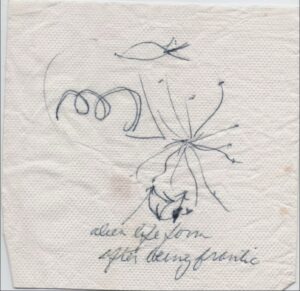
A napkin Robin doodled on, c. ’79, that I saved for Pointless Sister Maria Manhattan, who collects napkin art.
The last show of the tour was at LA’s Universal Amphitheater. Aside from Robin’s soon-to-be co-star in Popeye, Shelley Duvall, the LA show attracted much of the Mork & Mindy cast and crew. Producer Dale McCraven liked our set and invited us to pitch ideas for a guest spot on the show, in the hopes that it might do for us what Robin’s Happy Days part did for him. Over the next few months we submitted a number of proposals to no avail.
Meanwhile, I’d started up a side project, Theee STUPEDS, a/k/a The Society To Undertake the Preservation of Endangered Dumb Songs. (One inconsequential but name-droppy sidenote: In 1980, after Robin had brought me in to accompany the Comedy Store Players in LA once or twice, the Players’ director Meg Staahl invited me to accompany them on a two-night run at the Boarding House. I could only do the first show as I was booked the second night at The Palms on Polk Street with the debut of my own project, The Dumb Songs Festival. Robin and the rest of the Players all came over after their show to cheer me on, bringing along one of their audience members, Eric Idle, and later we all retired to Robin and Valerie’s hotel room for a post-show party. Afterwards, Idle offered me a ride home in his limo; my tongue-tied conversational gambit was limited to “I’m a big fan of Neil Innes [Idle’s musical partner in the Rutles and some Python projects].” “Yes, he’s quite good, isn’t he?” Idle replied, with his trademark rapid-fire wit.)
Originally conceived as a one-shot [local]-star-studded variety show to try my hand at being a front man, the DSF eventually turned into Theee STUPEDS, a five-piece band co-led by Brian, Monica and myself, and that line-up got booked into LA’s Comedy Store. We couldn’t afford to take our SF rhythm section with us, so we scouted for local musicians to sit in. It turned out that McCraven’s son Michael played drums, so we hired him, and when Dale saw that show, a light bulb went off over his head.
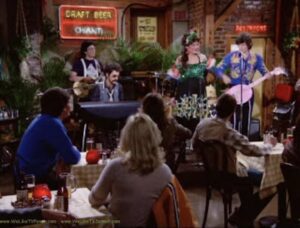
Mork & Mindy: Gil Roman (bass, under neon sign), JRB (Fender Rhodes, seated), Monica “Ruby” Carroll Ganas (in green blouse), Brian “Rick Right” Seff (flamingo guitar). Michael McCraven (drums, behind Rick and Ruby)
By the time the concept was refined and a script was written, Mork & Mindy was into its slump, between the surprise of its debut and the revival that came with Jonathan Winters joining the cast. So the episode that was supposed to push the Rick & Ruby Show into the stratosphere — prosaically entitled “Mork & Mindy Meet Rick & Ruby” — was rejiggered to feature another aspect of Robin’s talents, and might as well have been called “Mork Sings”. It featured one of the songs we had done with him on tour, “This Heart Is Closed For Alterations” co-written by Valerie’s old college chums, Jonathan Katz (later known as Dr. Katz, Professional Therapist) and playwright David Mamet. Very little of the Rick & Ruby spark was captured by the video cameras; in retrospect, I think I’ve learned that it was an act that had to be seen live to be appreciated.
I spent a week in Los Angeles to shoot the episode. Robin kindly put me up in a guest room in his Hollywood pied à terre. Every day we’d show up at the Paramount lot for rehearsal. Then Robin and I would grab a bite, go to the Comedy Store, go to the Improv, go back to the Comedy Store, go back to the Improv, go out to a house in Laurel Canyon where there was a permanent pile of cocaine that outdid the one in the hotel room in the Burt Lancaster film, Atlantic City, go back to one or the other comedy club where Robin would set up an assignation, then he’d drop me off at his apartment and go off to spend the night elsewhere. I repeated this routine every day for a week; Robin repeated it for the entire season. It’s no mystery to me that the quality of the show suffered; it is a miracle to me that Robin survived, let alone prospered.
Aside from a rehearsal with another LA improv group, War Babies, the Comedy Store Players gave me my first experience accompanying improv theater, and paved the way for my career in that field. When I got back to San Francisco, I hooked up with Faultline, Femprov, Spaghetti Jam, Fratelli Bologna, and, eventually, BATS Improv, where I still serve as musical director.
I also took a crack at solo performance — after surviving crowds of four or five thousand, safely sheltered behind headliners like Robin and Rick & Ruby, I felt prepared to handle a crowd of a hundred by myself. I entered a talent contest and won! It was at the Boarding House.
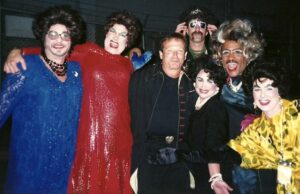
Some of the Ethel Merman Memorial Choir: Michael Langsdorf, Jonathan Bassil, RW, JRB, Doctor Lisa Gladstone, Leo Ward, Kim Teevan
After those three brief periods of contact, Robin and I grew apart. I would bump into him every year or so; about half the time he would greet me cordially, and the other half it seemed like he barely remembered me. So it would be dishonest for me to claim the same kind of profound personal loss as those of his friends and family members who were still close to him. But the man handed a major part of my career to me on a silver platter, tied up with a bow, and for that I will be forever grateful.
Bon voyage.
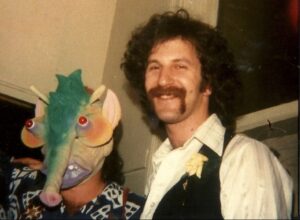
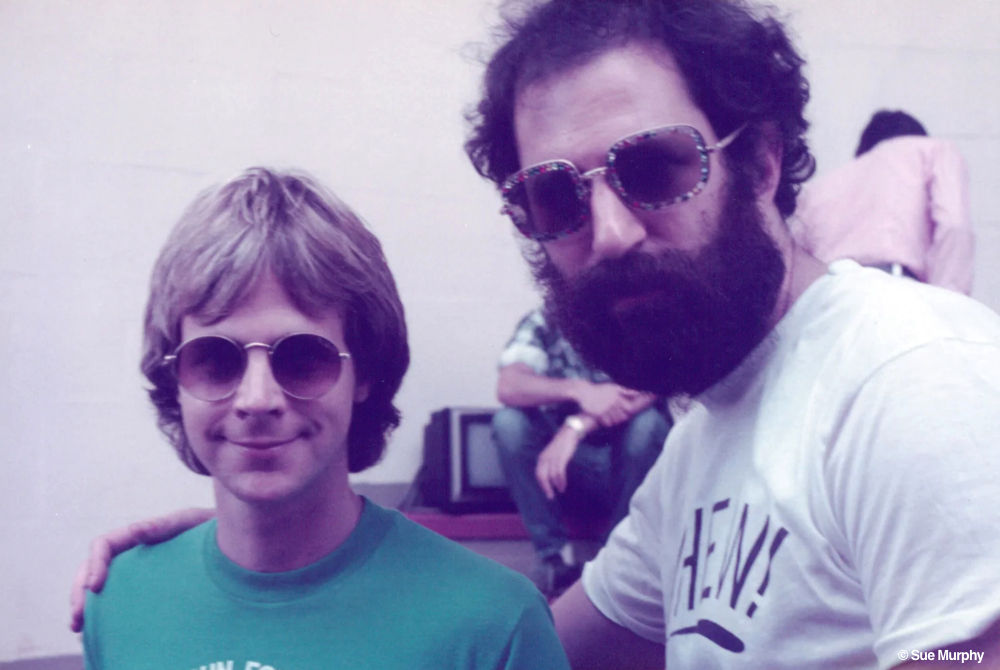
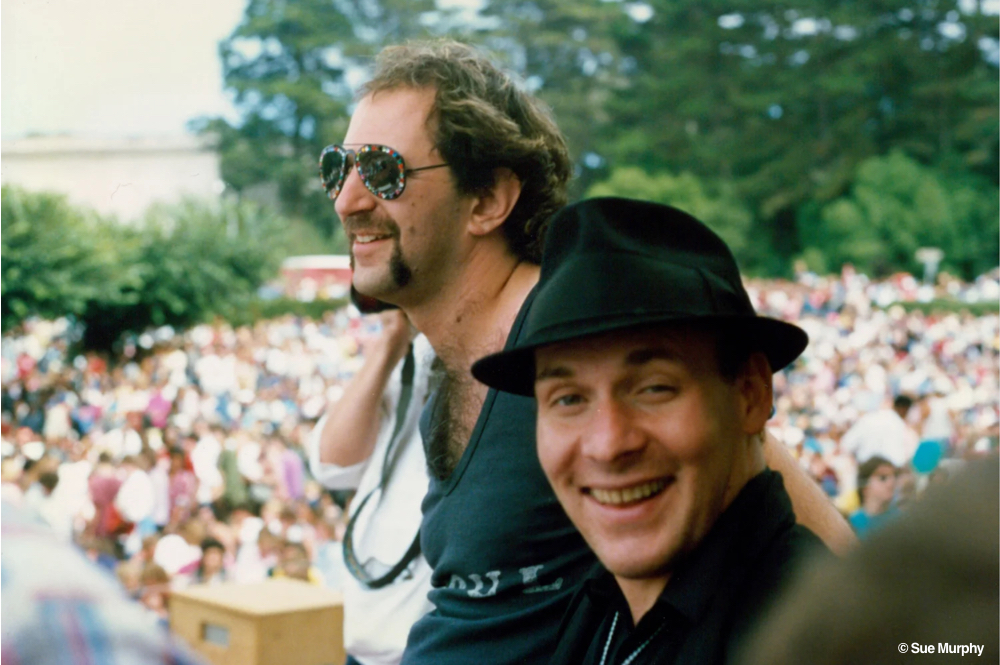
The only halfway decent picture I have of the two of us. Probably ’79 or ’80.

Supply the poster, promo materials, name of theatres, spin offs, stories etc

Leveraged talents to offer your humor stylings as an Annual MC, cruises, roasts, speaker events